The Klaserie: a wilderness that earns its reputation
A closer look at one of South Africa's great private reserves
Ask anyone who has spent time in the Klaserie what makes it different and they'll pause before answering. Not because the answer is difficult, but because it's surprisingly hard to put into words without sounding like you're overstating it. The truth is that this reserve, sprawling across some 60,000 hectares of phenomenal wilderness, has a quality to it that you feel rather than see, and it tends to announce itself quietly, usually somewhere between the moment you pass through Enkhulu Gate and the moment you realise you haven't thought about your phone in three hours.
The Klaserie doesn't exist in isolation and that's fundamental to understanding what makes it exceptional. Its eastern boundary opens directly into the Kruger National Park with no fences between them, making it part of the Greater Kruger ecosystem. To the south it shares an equally open border with the Timbavati Private Nature Reserve. Together with the Umbabat and Balule reserves, the Klaserie forms part of the Associated Private Nature Reserves (APNR), a collective that has been working in concert with South African National Parks since the early 1990s to manage the Greater Kruger as a single, continuous wilderness.
The result is one of the largest unfenced protected areas in Africa, and it means that the wildlife moving through the Klaserie does so with complete freedom, following ancient seasonal paths that have nothing whatsoever to do with where one reserve ends and another begins.
This is not a peripheral detail. It's the reason why a morning game drive in the Klaserie can produce a lion pride that last night was deep inside Kruger, or a herd of elephant that has spent the week grazing its way through the Timbavati. The reserve is porous in the best possible way, and the wildlife reflects that freedom in everything it does.
A landscape of beautiful contradictions
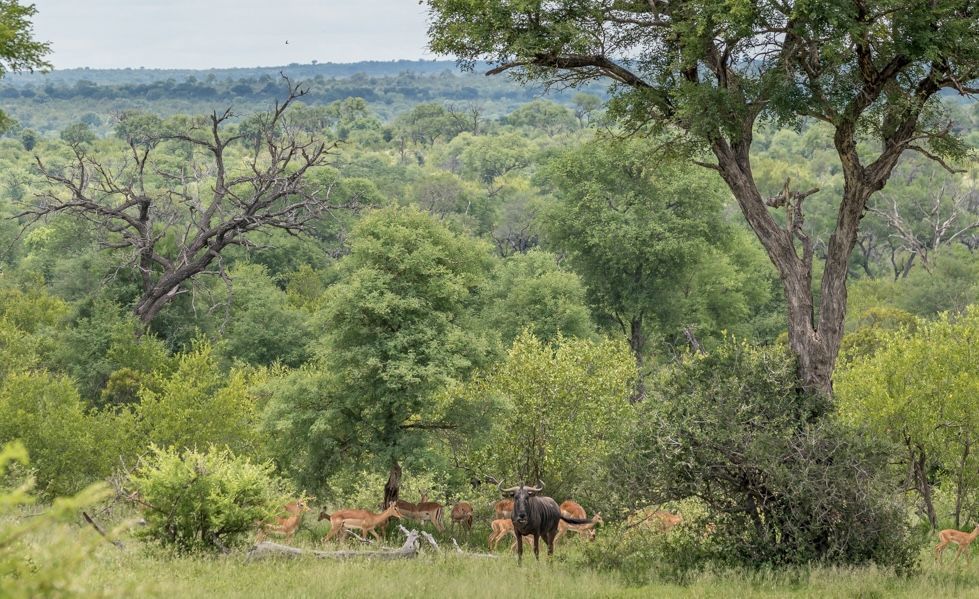
Travel the Klaserie from north to south and you travel through several different worlds within the same reserve. The northern reaches are characterised by rocky ridges and valleys, a more rugged and dramatic terrain, while the south opens into undulating deciduous woodland interspersed with combretum thickets that give the landscape the feel of classic Greater Kruger bushveld.
Threading through it all from south to north, the Klaserie River is the reserve's defining geographical feature, entering near the southern boundary and meandering northwards before cutting east and joining the Olifants River beyond the reserve's northeastern corner.
During the wet season it runs strongly, drawing wildlife along its banks and supporting dense riverine vegetation; by the height of winter the riverbed is largely dry, with small pockets of water here and there, but the tall trees and thickets that line its course remain, creating a corridor of shade, birdsong and concentrated wildlife activity that rewards those who follow it patiently.
It's this diversity that keeps the Klaserie interesting regardless of what season you visit, or how many times you've been before. The reserve has a way of rearranging itself just when you think you've understood it, presenting a combination of habitat, light, weather and wildlife that you haven't seen in quite that way before. Guests who return year after year will tell you this without any prompting at all.
The southern section and the importance of water
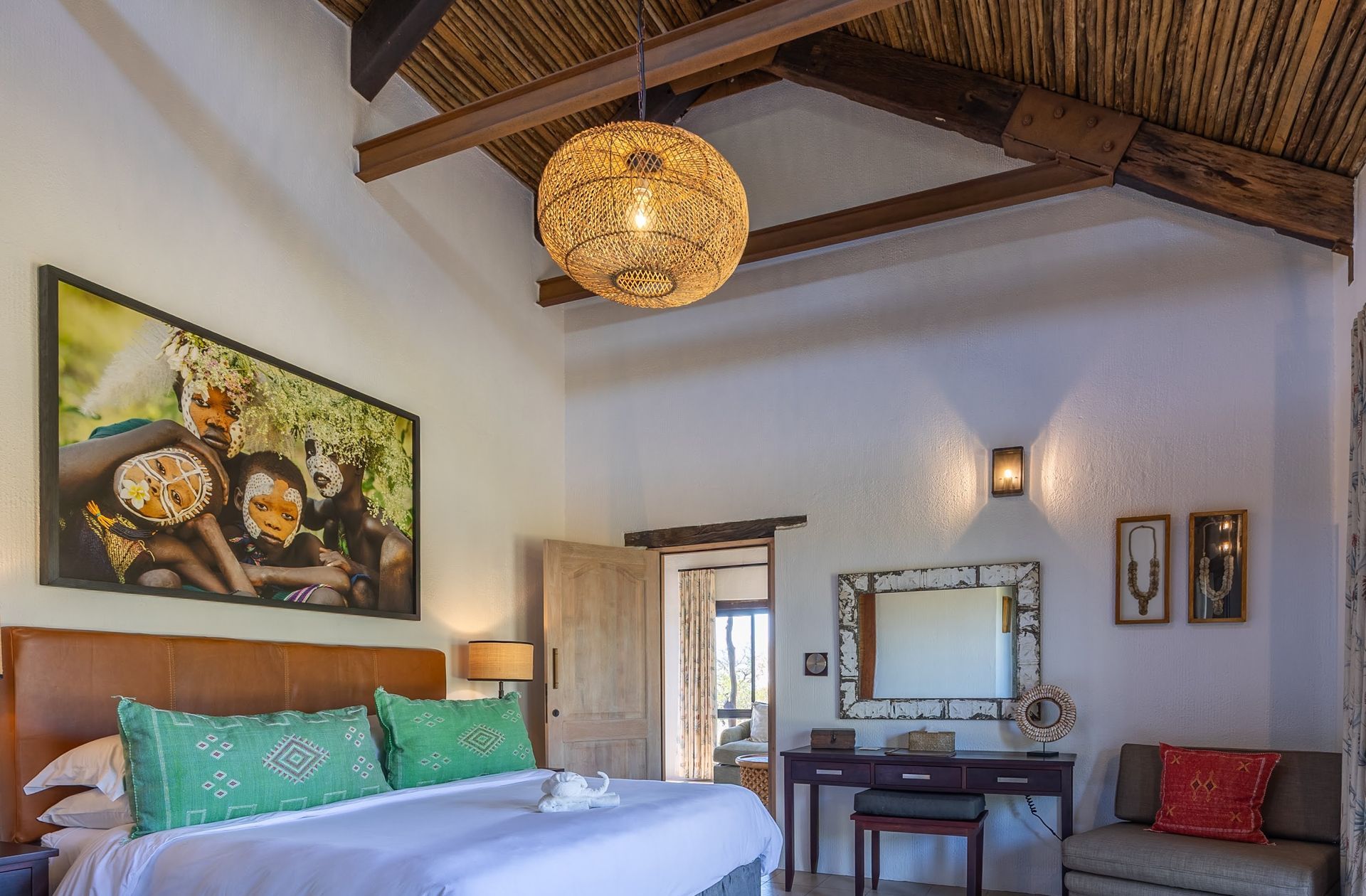
Baobab Ridge sits on a gentle ridge in the southern Klaserie, its position offering sweeping views across the bush in a way that, on a clear winter morning, feels almost indecently beautiful. The drive in from Enkhulu Gate sets the tone for everything that follows: as you turn off the tar road the road narrows, the bush closes in, and the sense of leaving the ordinary world behind happens almost before you've noticed it starting.
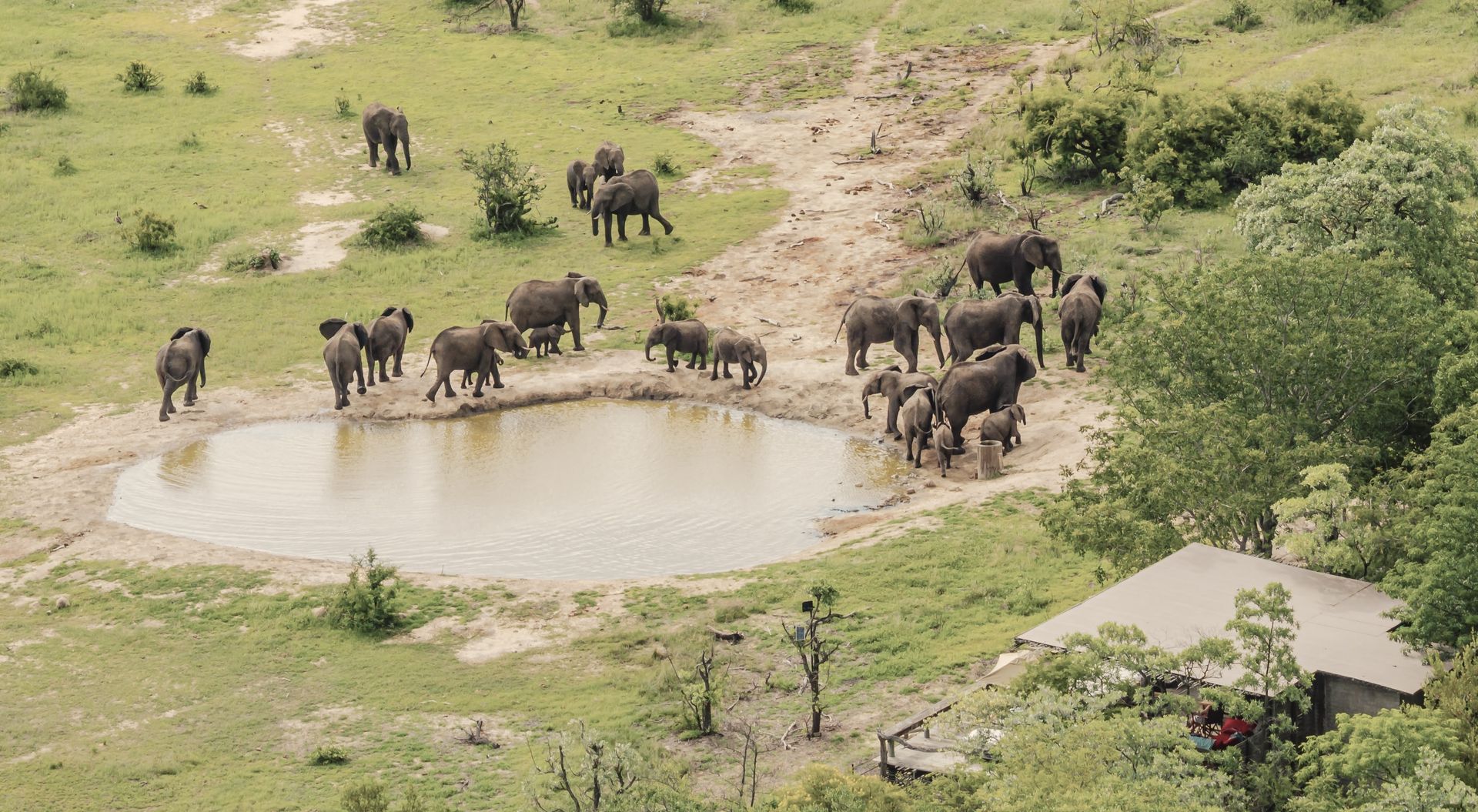
The southern section has a few small seasonal rivers and dense drainage lines, which elevates the importance of the pans and dams scattered across the area to something close to theatrical. As the dry season takes hold and water elsewhere retreats, these become the gathering points for an extraordinary cast of characters.
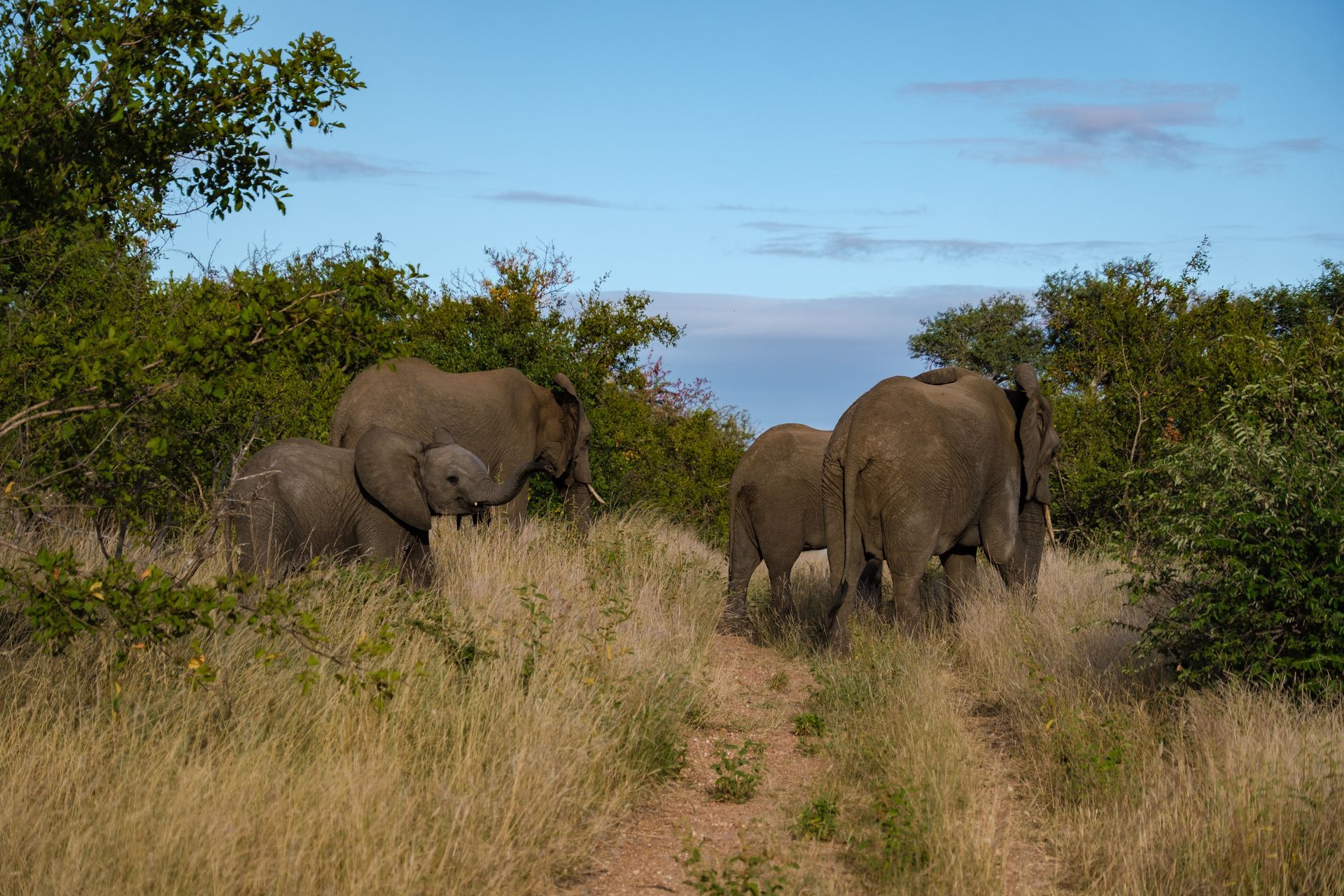
Elephant herds arrive with their calves, the youngsters barrelling in with an enthusiasm that never quite loses its comedy. Buffalo come in numbers and in their own time, the older bulls standing in the water long past any practical necessity, apparently just because they can. Lion prides move between sources with a purposeful efficiency that makes the whole reserve feel like a stage they own entirely. From the lodge's waterhole, guests watching from the deck have front-row seats to a drama that writes itself anew every day.
What the dry season does to this place
The Klaserie is worth visiting in any month, but there is something about the dry season, from May through to October, that rewards the patient observer in ways that are hard to overstate. As the grass drops and the vegetation thins and the light turns that hard, clean, winter gold, animals that spent the summer as shadows in the green become suddenly and fully visible.
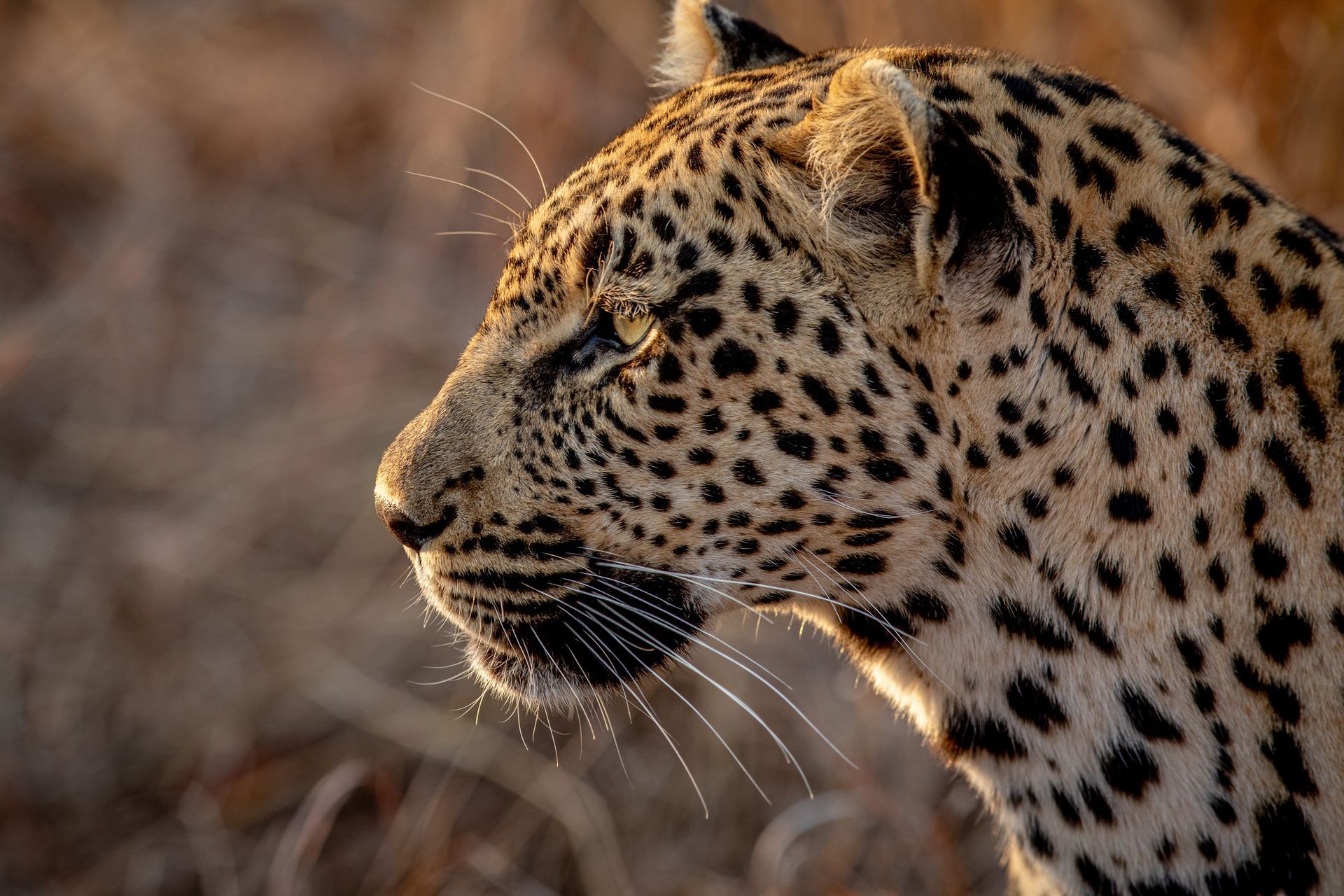
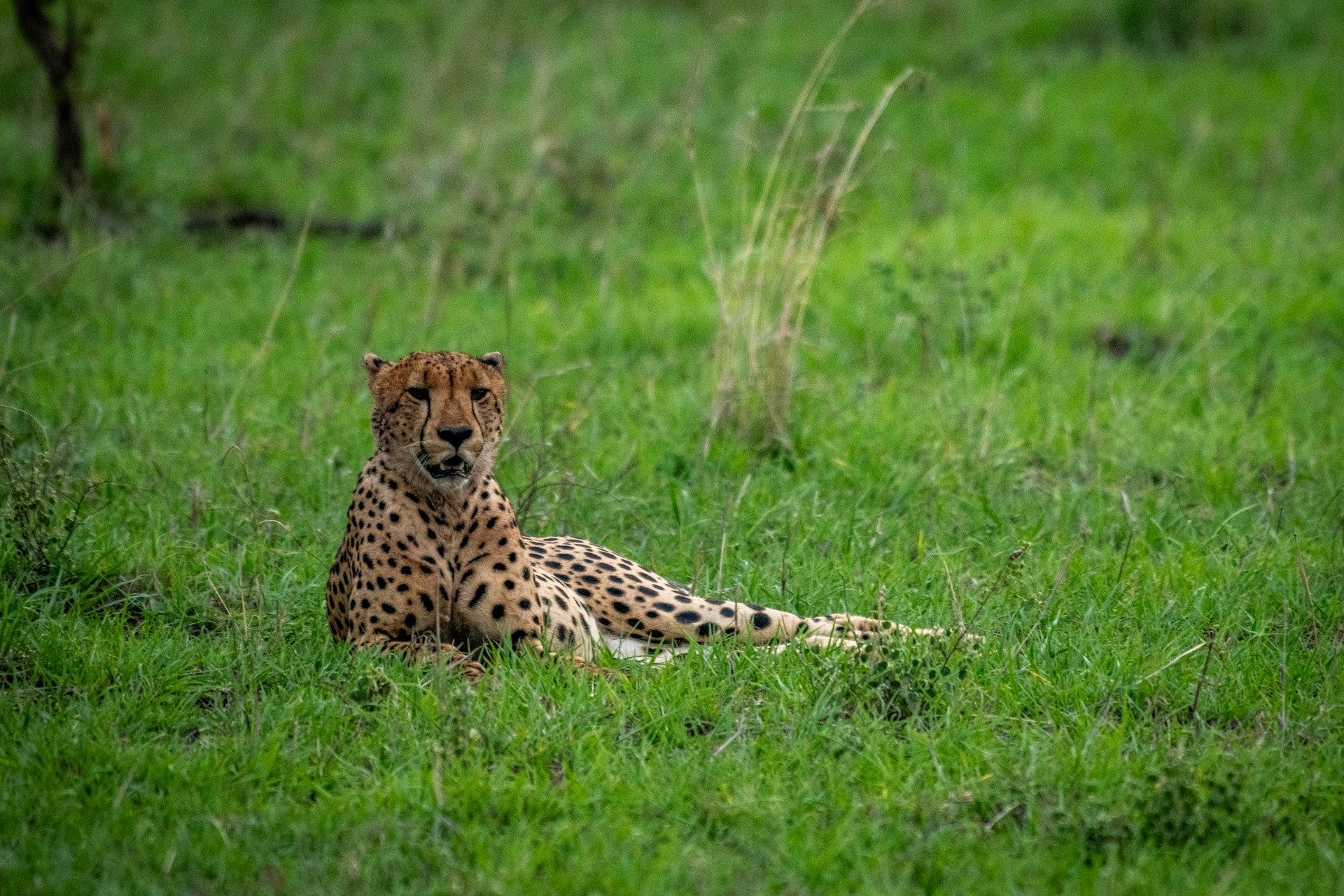
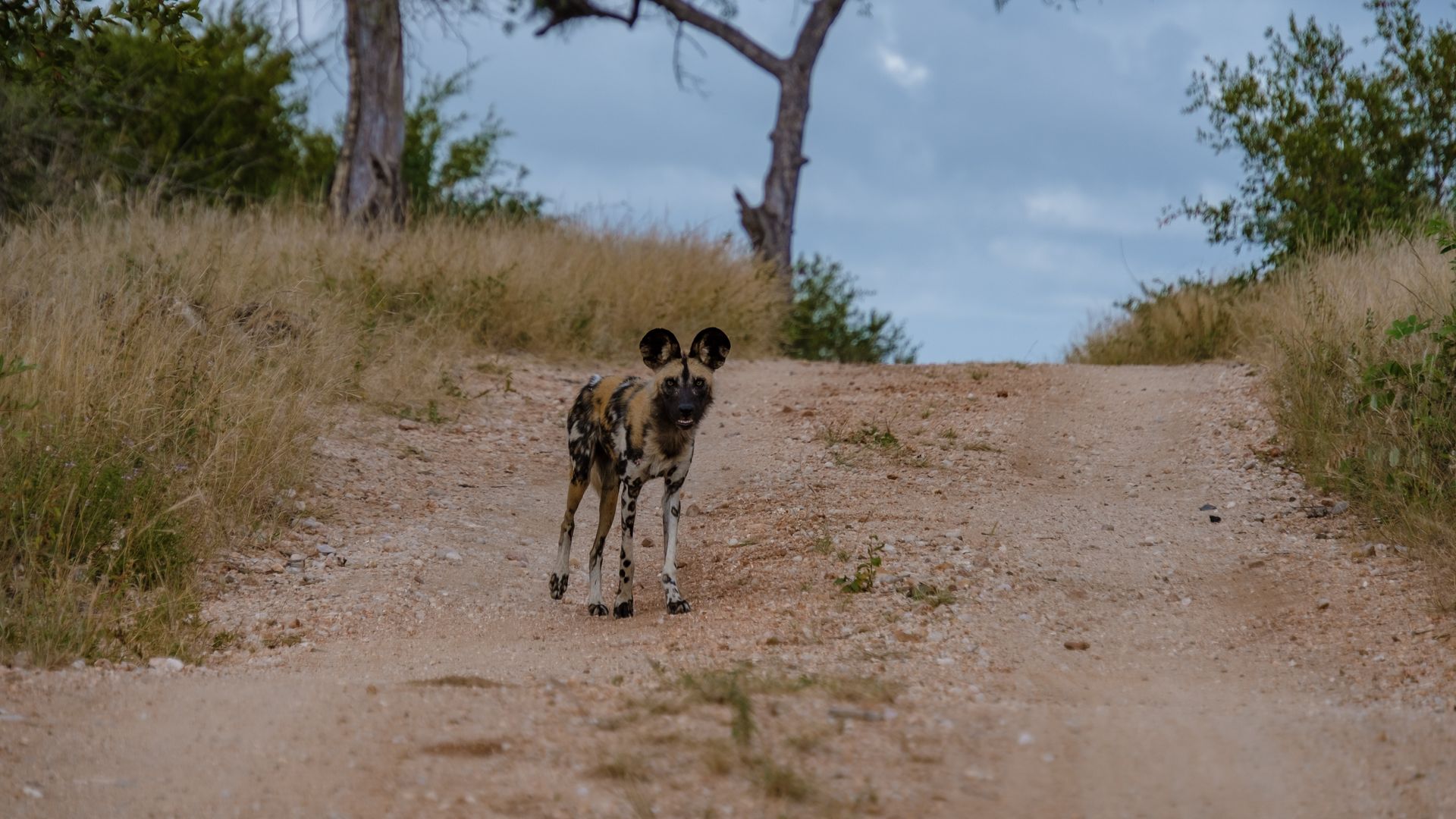
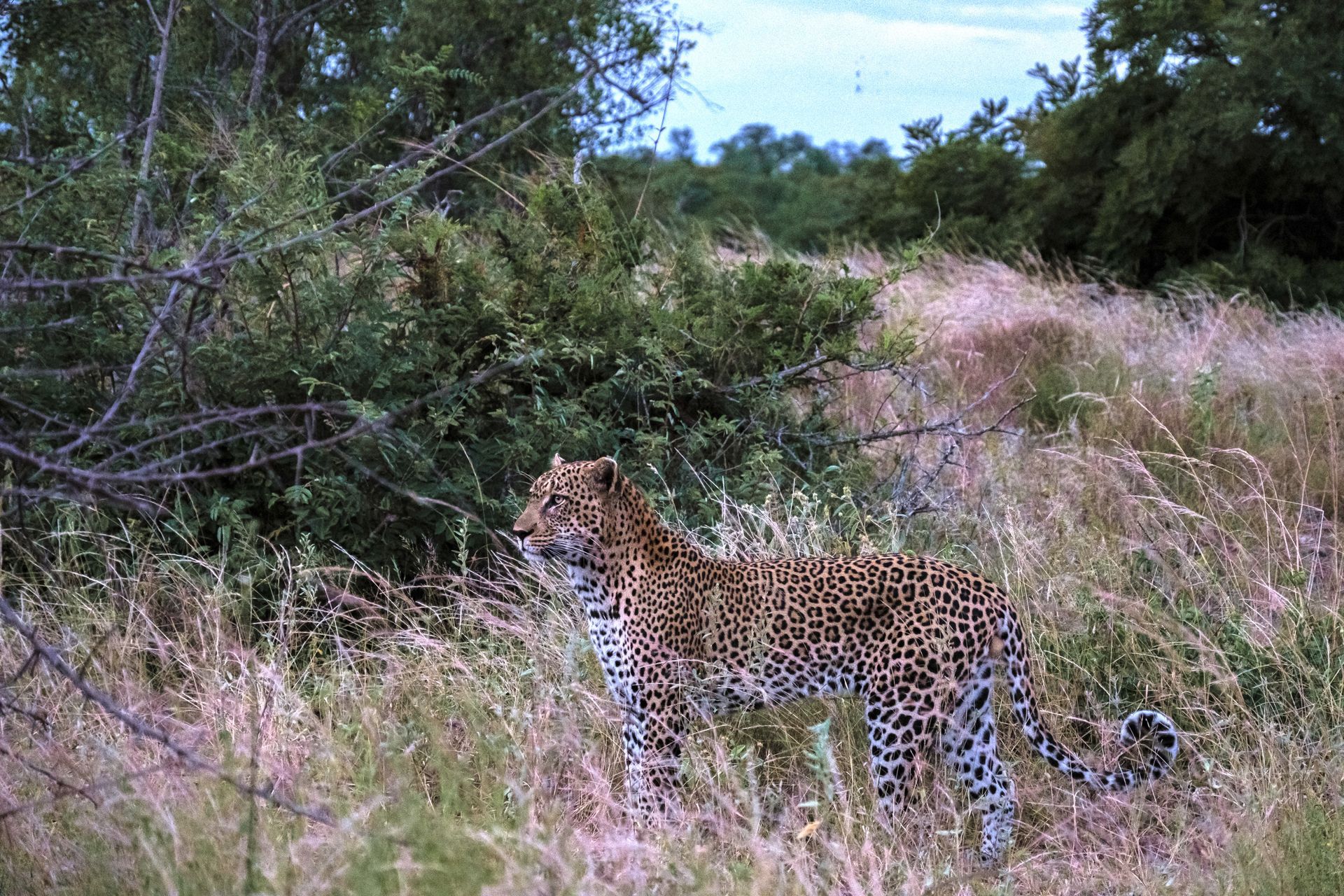
A lion pride crossing open ground in the early morning... A leopard draped along a leadwood branch with the proprietorial ease of an animal that has absolutely nothing to prove... A pack of painted wolves moving through the pale winter grass at a pace that says they know exactly where they're going and they'll be there shortly...
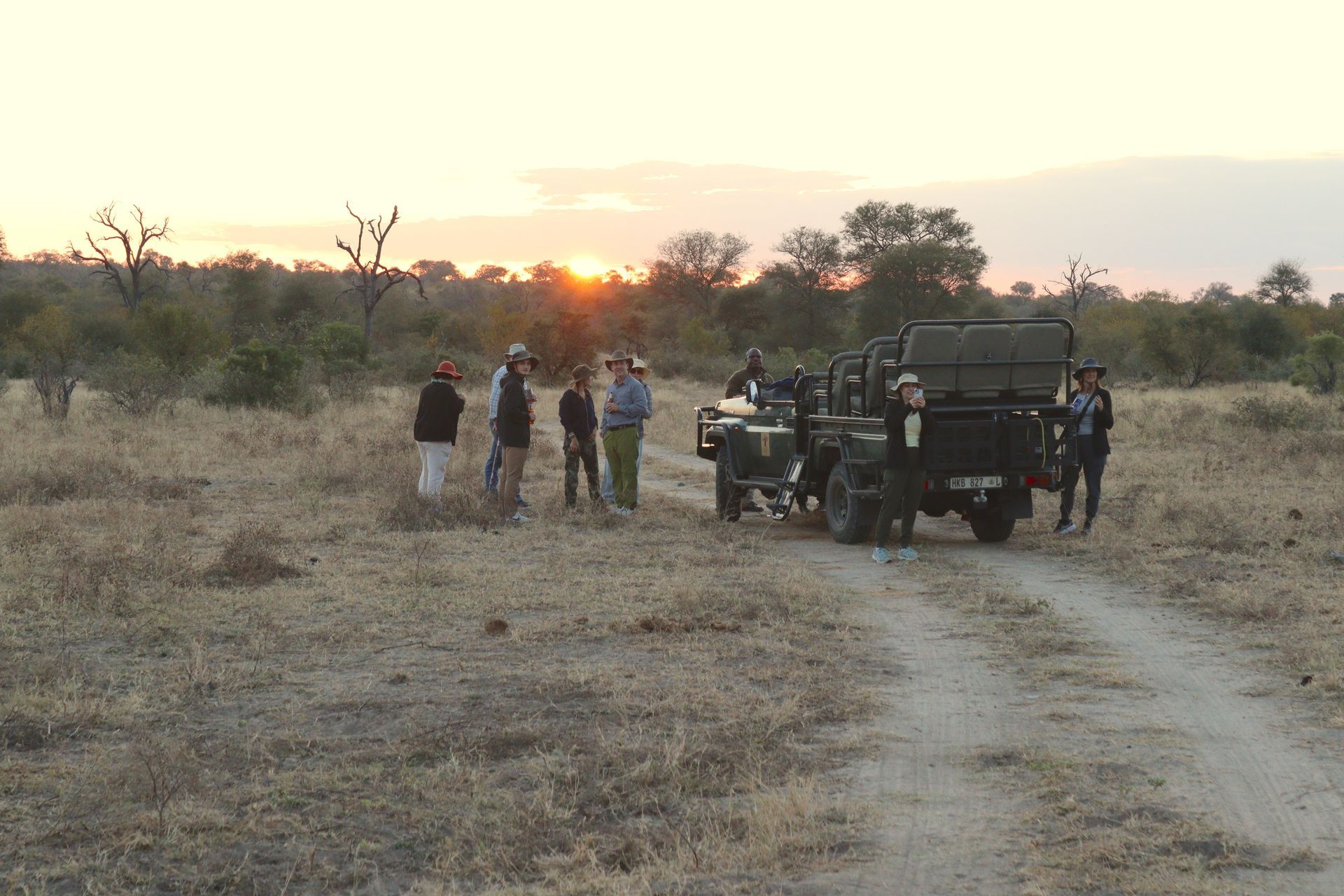
Watching this unfold from an open vehicle with a small group of people, guided by someone who knows this particular piece of the Klaserie the way most of us know our own neighbourhoods, is an experience of a very particular kind. There's no crowd, no convoy, no competition for the sighting. At Baobab Ridge it's just you and the bush and whatever the morning has decided to offer.
A reserve with a conscience
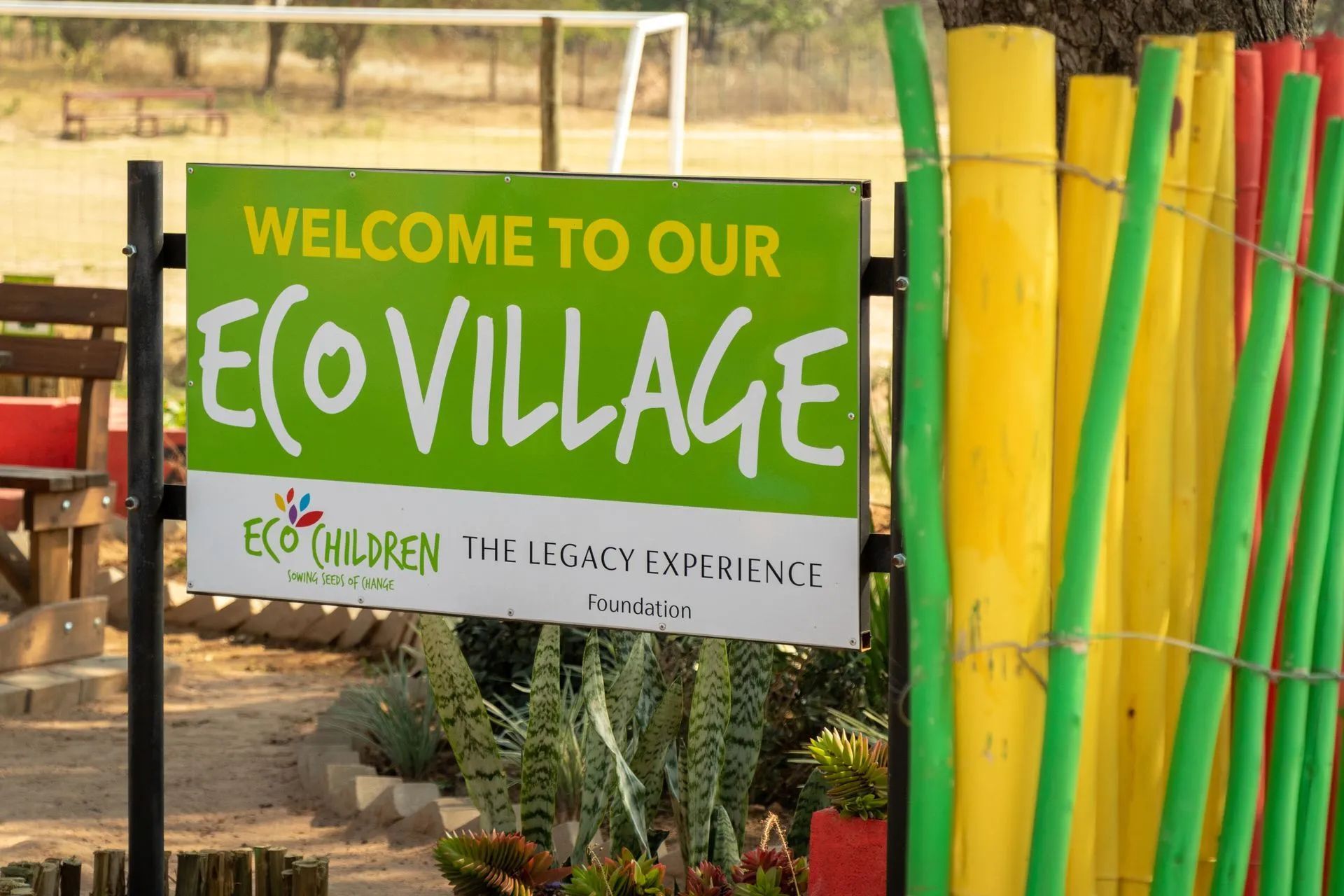
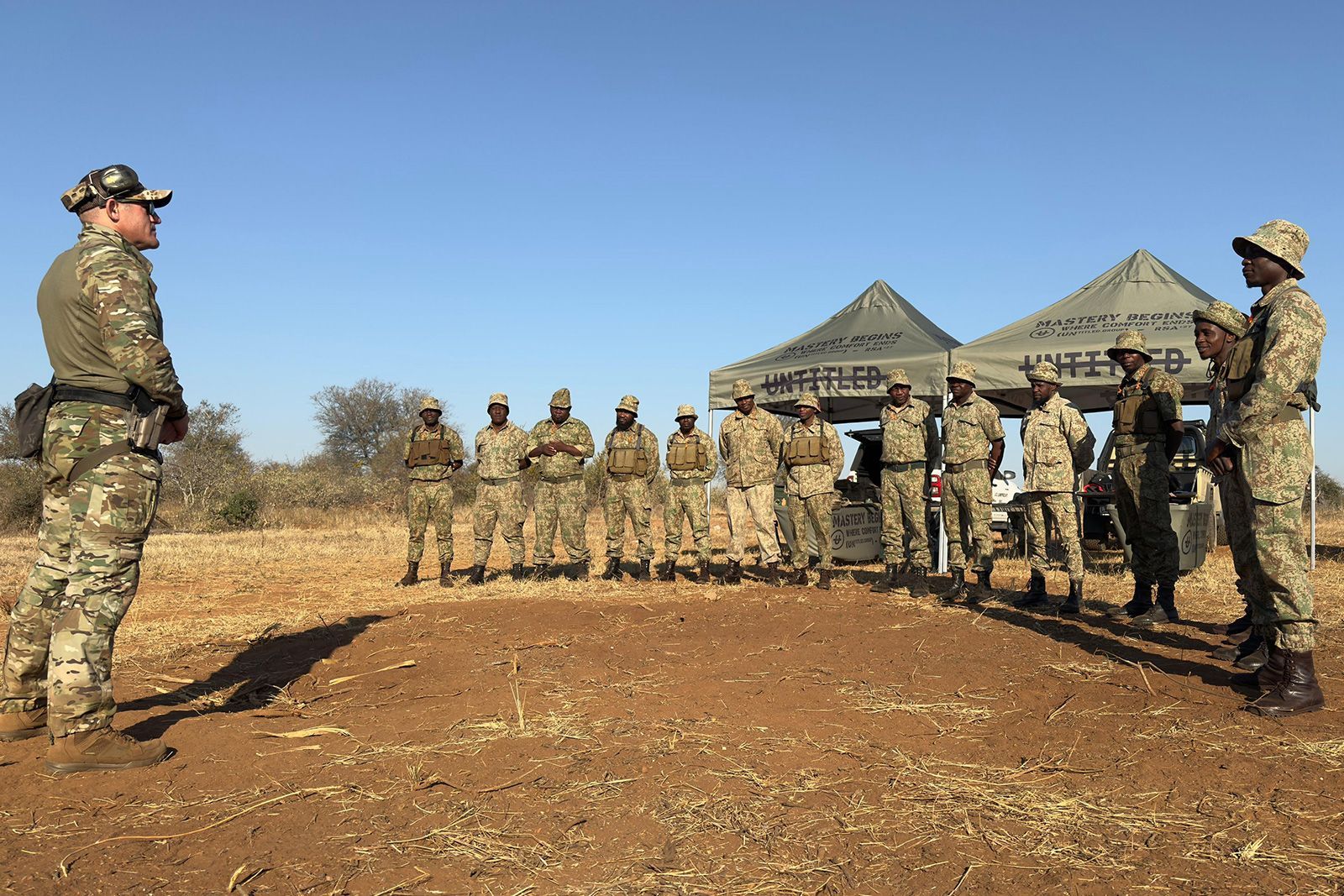
The Klaserie has been a formally protected reserve since 1972 and a founding member of the APNR, and the conservation culture that runs through it is genuine rather than decorative. Anti-poaching operations, elephant research, the long-running Southern Ground Hornbill Project, community support through initiatives like Eco Children: these are commitments that the lodges and landowners of the Klaserie take seriously and fund consistently.
Baobab Ridge is proud to be part of that community, sponsoring a ground hornbill nesting box that has already seen its first successful hatching and contributing actively to the conservation work that keeps this wilderness what it is.
So, when you choose to spend time here with us, you're supporting something that matters well beyond the edges of your own experience, which feels like a great additional reason to come!