A safari's about value, not cost
A look at what it takes to deliver an amazing wilderness experience
Every so often, someone asks the question directly... They've looked at the rates, done the mental comparison with a city hotel or a beach resort, and they want to understand what justifies the number. It's a fair question, and it deserves a proper answer, because once you understand what actually sits behind the cost of a safari, the conversation stops being about price entirely and becomes about something far more interesting: value.
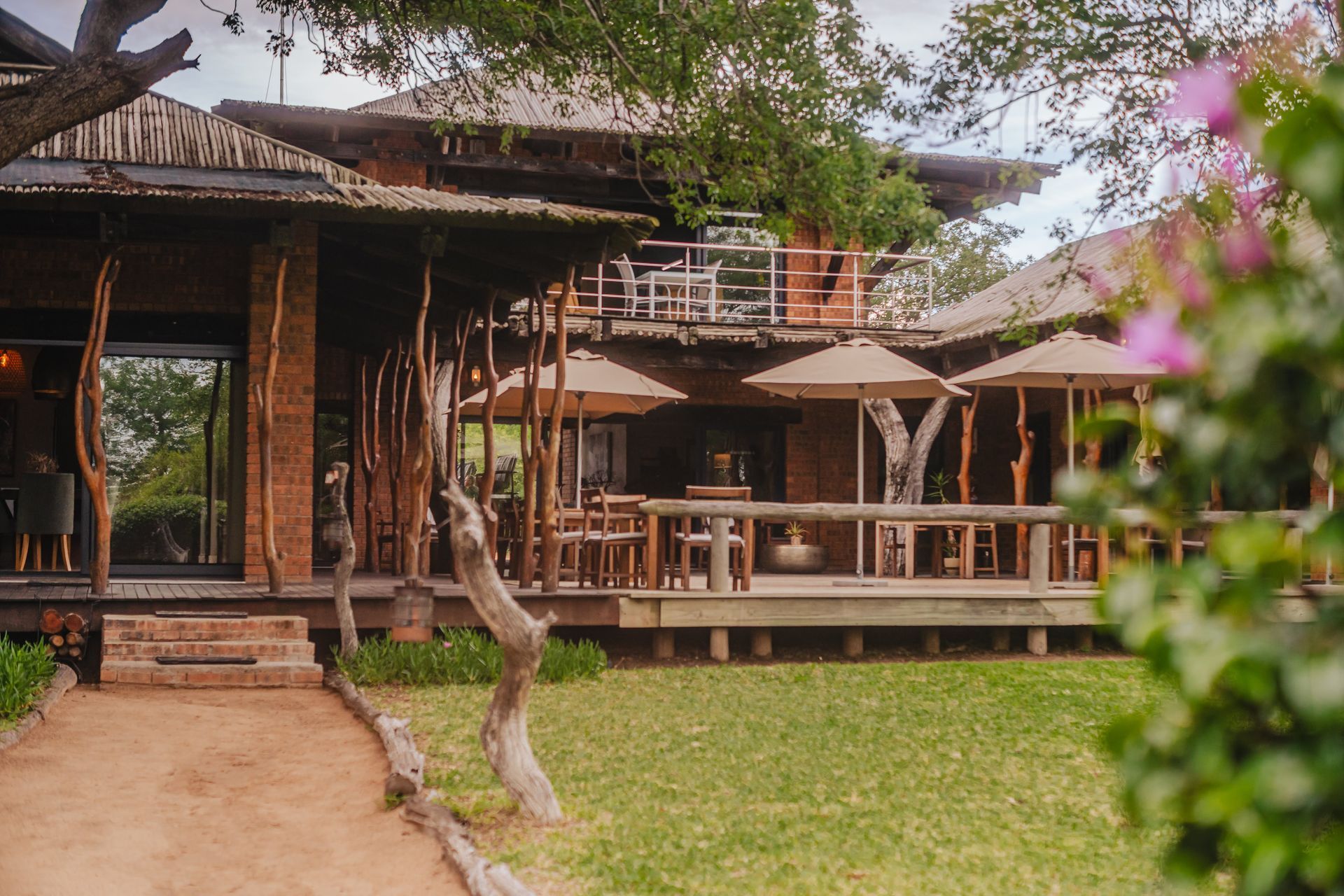
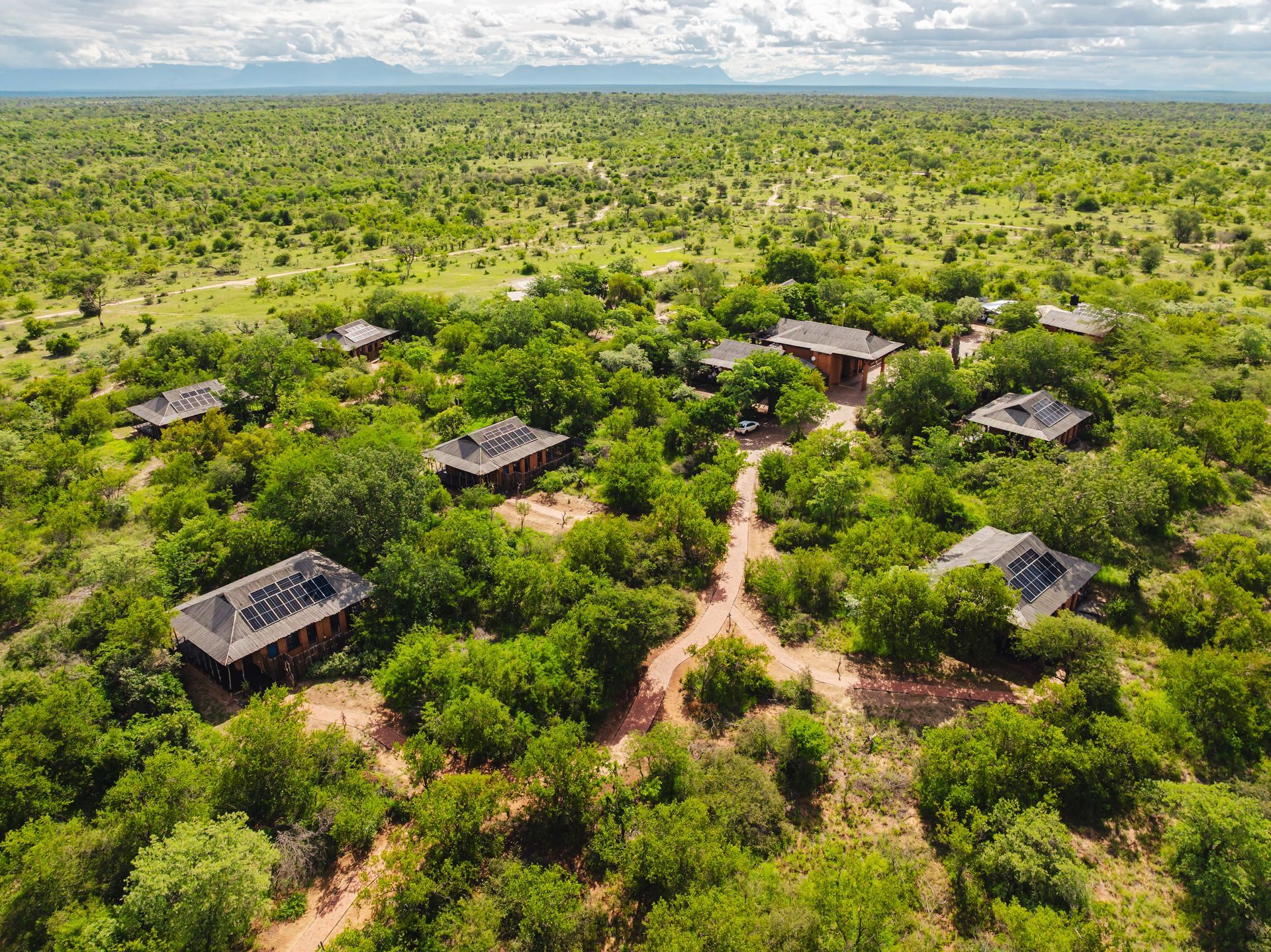
A safari lodge is not a hotel and this is where most of the confusion begins. A hotel is built around scale... Rooms, reception desks, breakfast buffets, lobby bars, hundreds of guests moving through a building designed to process footfall efficiently. The room is the product, and the location is largely incidental. You could pick up a mid-range business hotel and put it in any city in the world and it would function in exactly the same way.
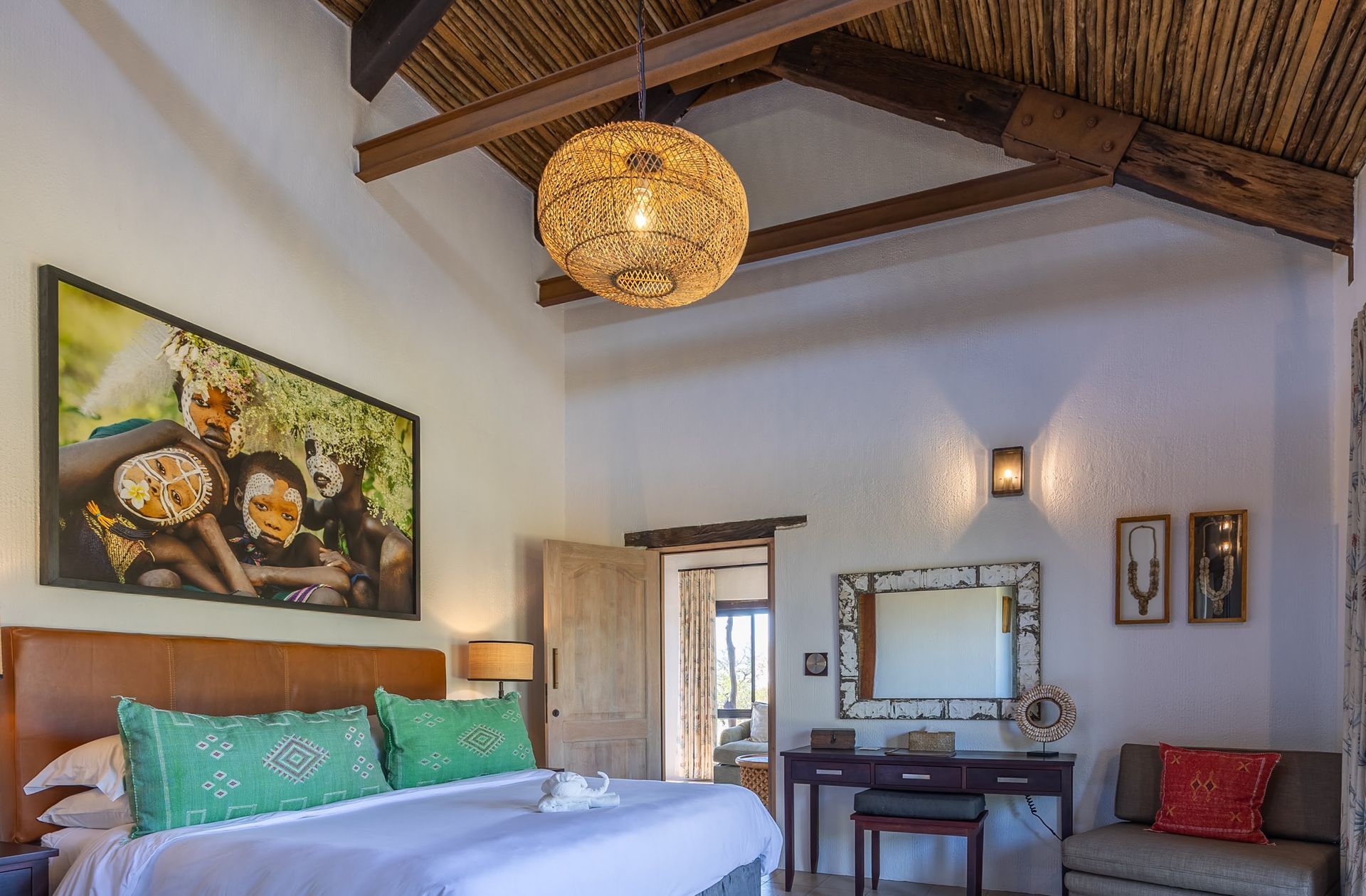
A safari lodge is built around the bush, and everything else follows from that single, defining fact. The beds are few, the concession is private, and every element of the operation exists for one purpose: to get you as close as possible to one of the last genuinely wild places on earth, and to keep it that way. The room, however beautiful it might be, is the smallest part of what you're paying for.
What you're actually paying for
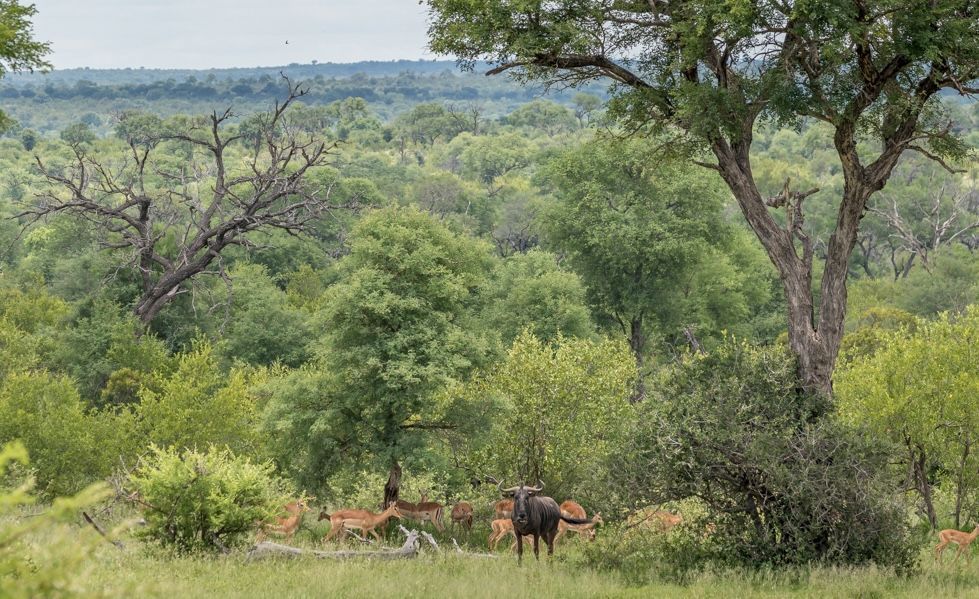
Let's start with the land... A private game reserve like the Klaserie operates on traversing rights across tens of thousands of hectares of wilderness, and those rights are what make the experience so fundamentally different from a drive through a national park. Off-road access, night drives, a strictly controlled number of vehicles at any sighting: no queues, no minibuses full of strangers, no compromises. The silence you hear on your first morning game drive, that vast, textured, living silence of the African bush at dawn, is itself something worth paying for, and it doesn't happen by accident.
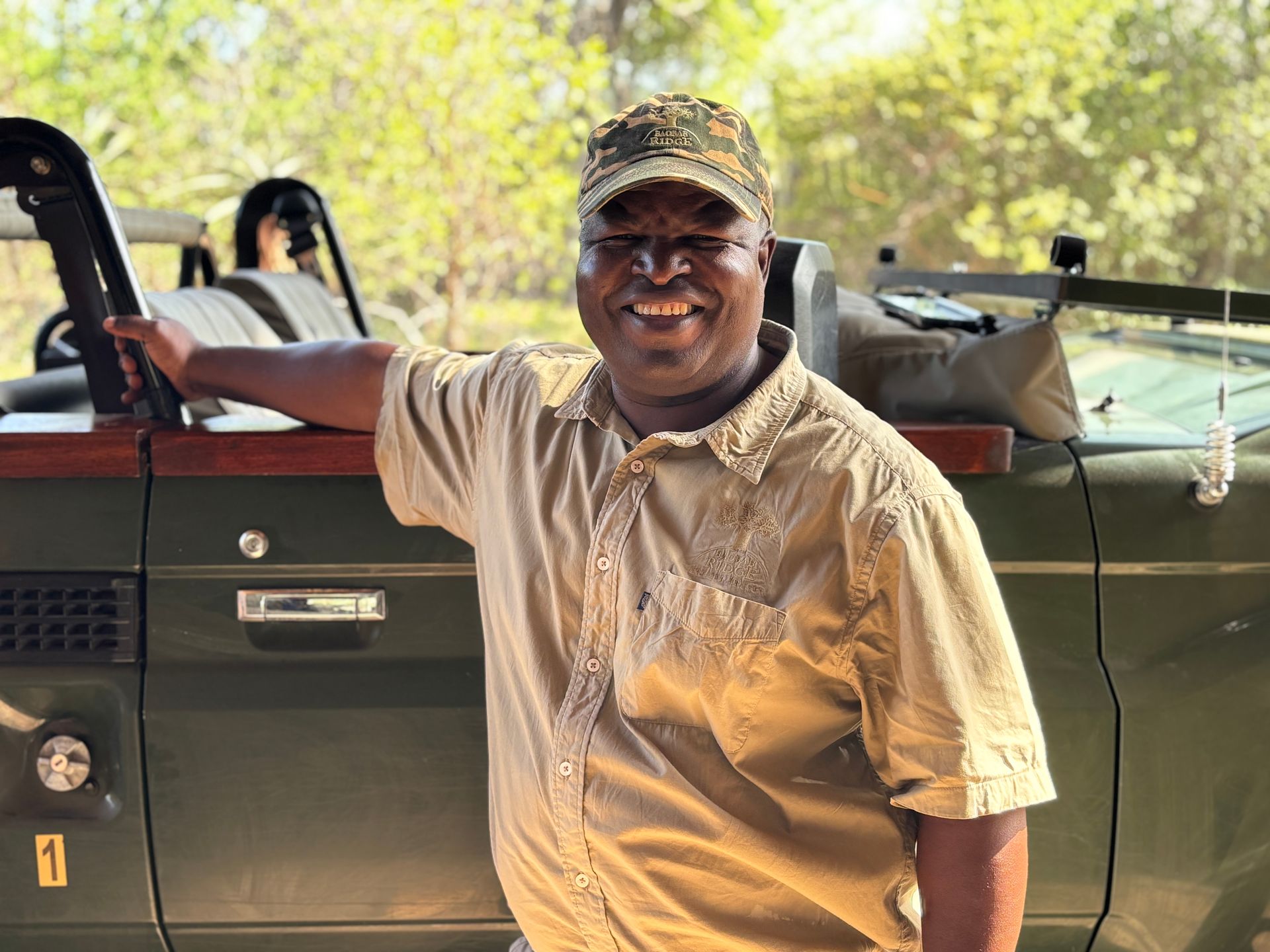
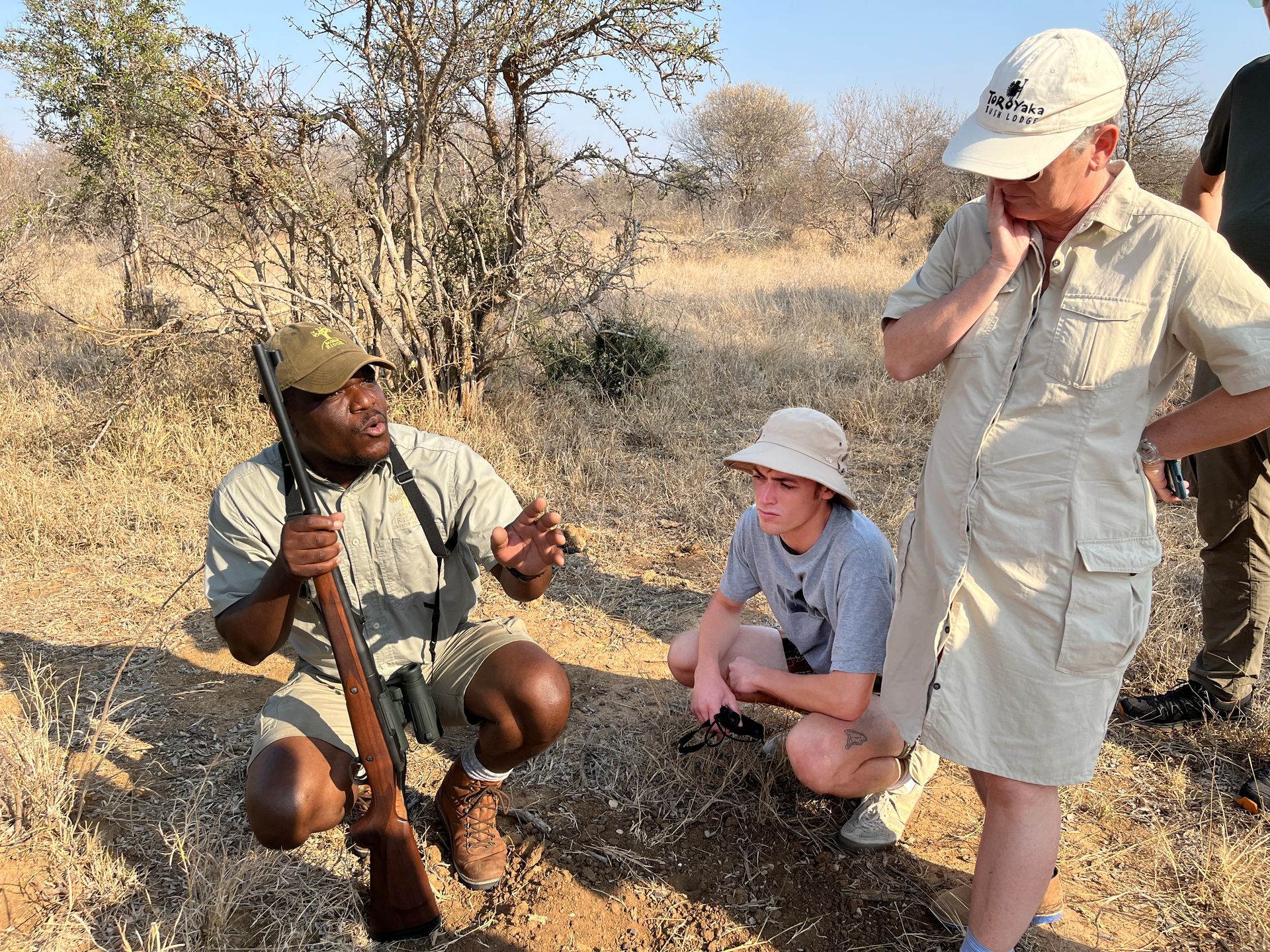
Then there are the people... A qualified safari guide represents years of training across ecology, animal behaviour, tracking, field safety and firearms proficiency, and the good ones carry all of that knowledge so lightly that you don't notice it until you realise that what looked like a quiet stretch of bush has been read, interpreted and translated for you in real time, and that you've understood more about the natural world in three days than you have in the preceding decade.
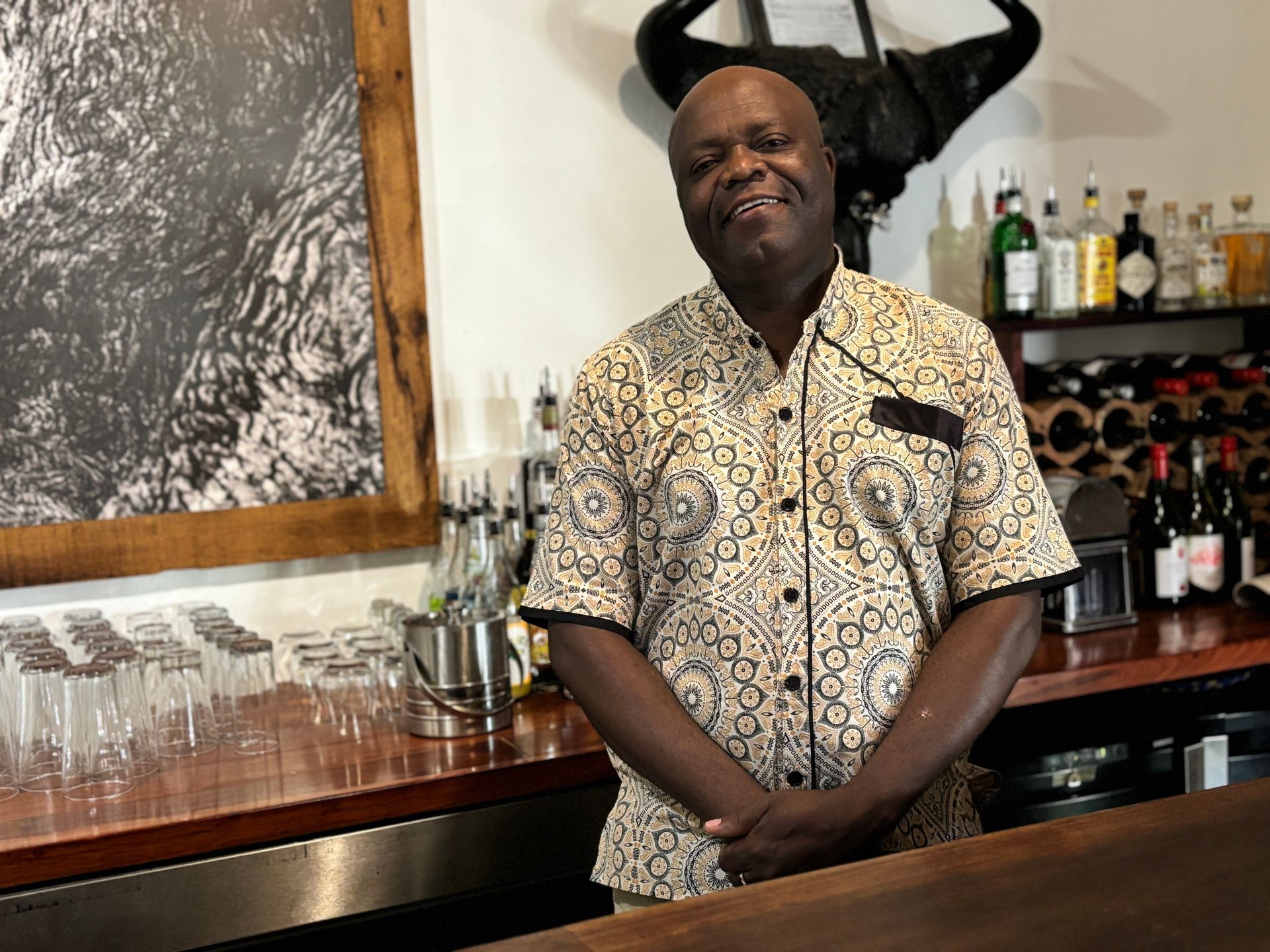
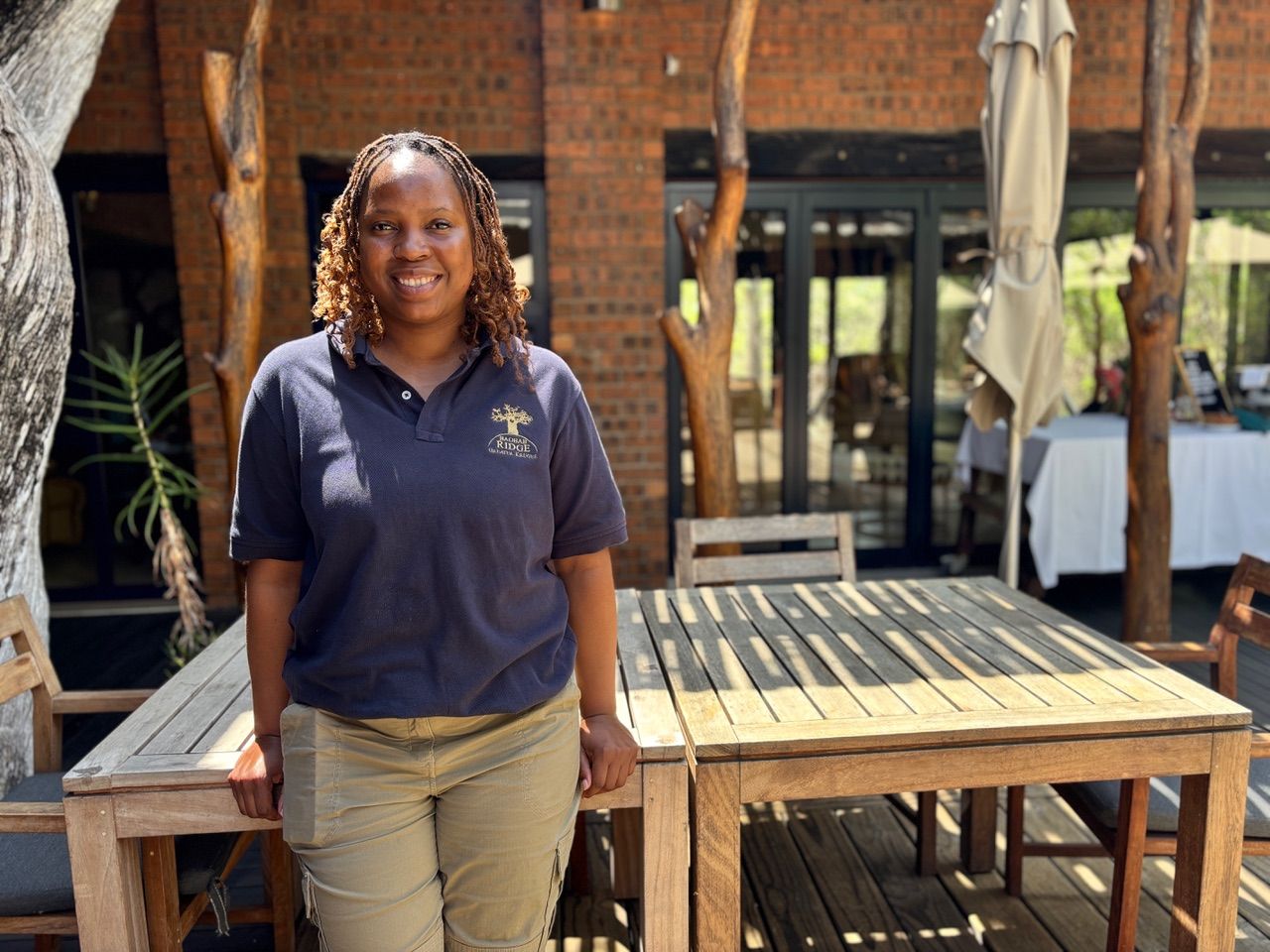
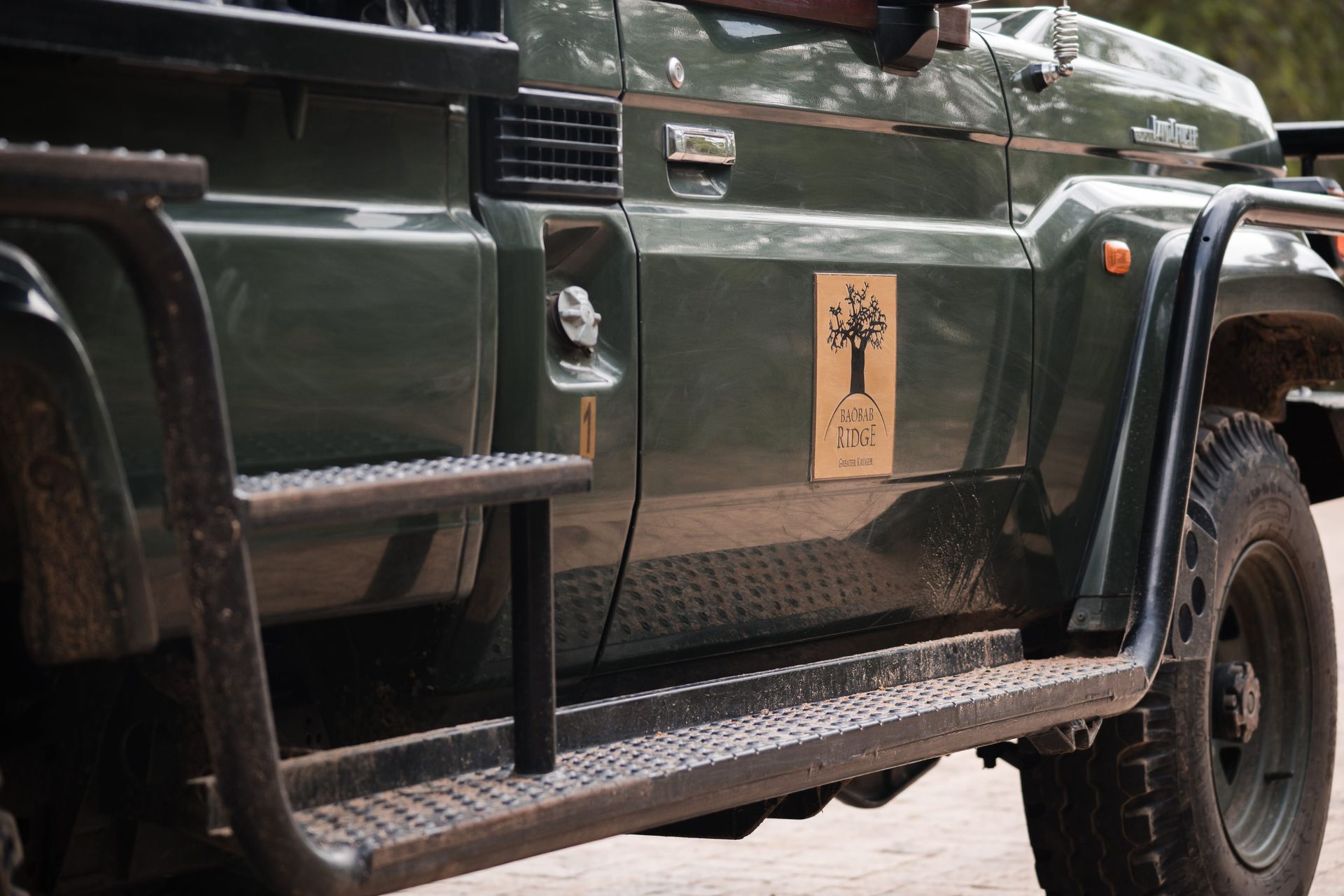
The ratio of staff to guests at a lodge like Baobab Ridge is not something you'd find at a hotel: chefs, guides, butlers, housekeepers, maintenance staff, managers and their teams, all living on site, all working to ensure that every detail is handled so that you don't have to think about a single one. You'll never see the seams, which is precisely the point.
The levy that protects the wildlife
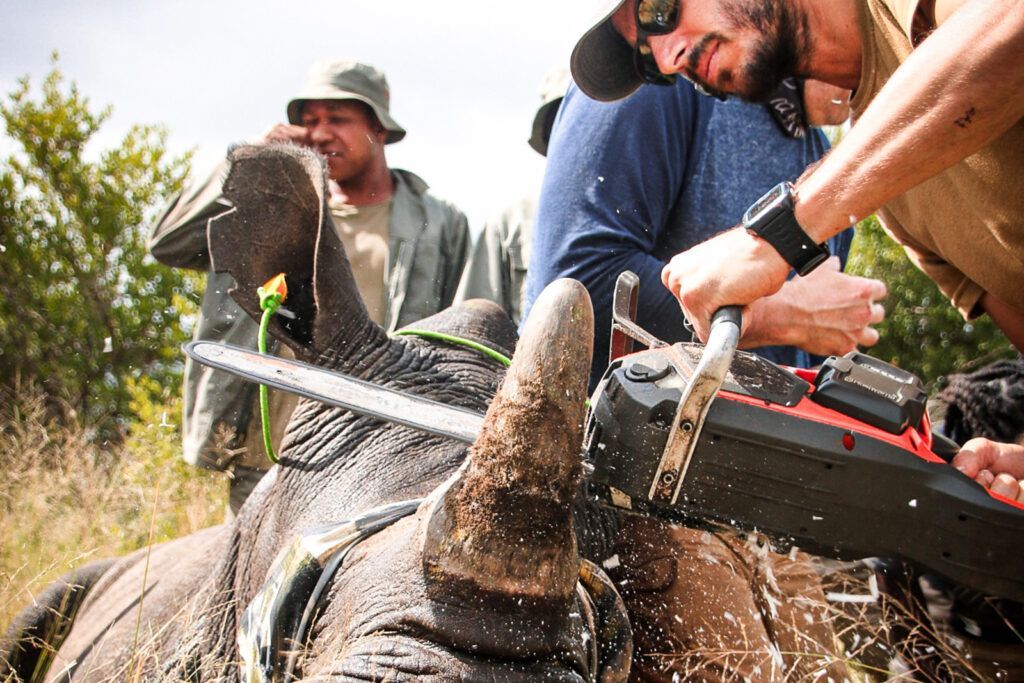
Every guest at a safari lodge pays conservation fees, and those fees do exactly what the name suggests. Anti-poaching units, habitat management, wildlife monitoring, community upliftment programmes: these are not optional extras or greenwashing exercises, they're the infrastructure that keeps a wild ecosystem functioning. When you book a safari, you're not simply purchasing an experience for yourself, you're contributing directly to the survival of the landscapes and the species that make that experience possible, and that contribution matters in ways that extend well beyond your stay.
At Baobab Ridge, the connection to the Klaserie's conservation work is direct and ongoing. The reserve's anti-poaching efforts, the Southern Ground Hornbill Project, the Eco Children environmental education programme in neighbouring communities: all of these are supported by the guests who choose to spend time here, and all of them are part of what makes the Klaserie the place it is.
Nothing arrives by accident
There is one more thing worth understanding about the economics of a bush lodge, and it's the one that surprises people most. Nothing arrives easily with drinks, food, fuel, wine, fresh linen, produce for the kitchen and the like brought in by road from places often hours (and sometimes days) away. Everything you see in every part of a lodge in a remote wilderness had to be sourced and delivered from afar.
The logistics of running a lodge in a remote private reserve are genuinely complex, and they require a level of planning, resourcefulness and sheer determination that most city-based businesses would find difficult to imagine. If you run out of milk, it's not a question of popping to the corner supermarket to get more... The fact that none of this is visible to guests is a measure of how well it's managed, not a reason to overlook it.
The moment you understand what sits behind a safari, the people, the land, the logistics, the conservation work, the years of training and the daily commitment to getting it right, the price stops being a number on a page and becomes something else: a reflection of what it actually costs to protect and share one of the most extraordinary environments on the planet.