Why game drives rock
They're the backbone of the Baobab Ridge safari experience
Seasoned safari-goers will tell you, hand on heart and with the conviction of people who've tried most things, that a game drive in a private reserve on an open safari vehicle is one of the greatest pleasures available to a human being with a passport and a sense of adventure. It's not something that translates well into photographs, though people try, and it doesn't compress neatly into a social media caption, though people try that too. It has to be lived, preferably more than once...
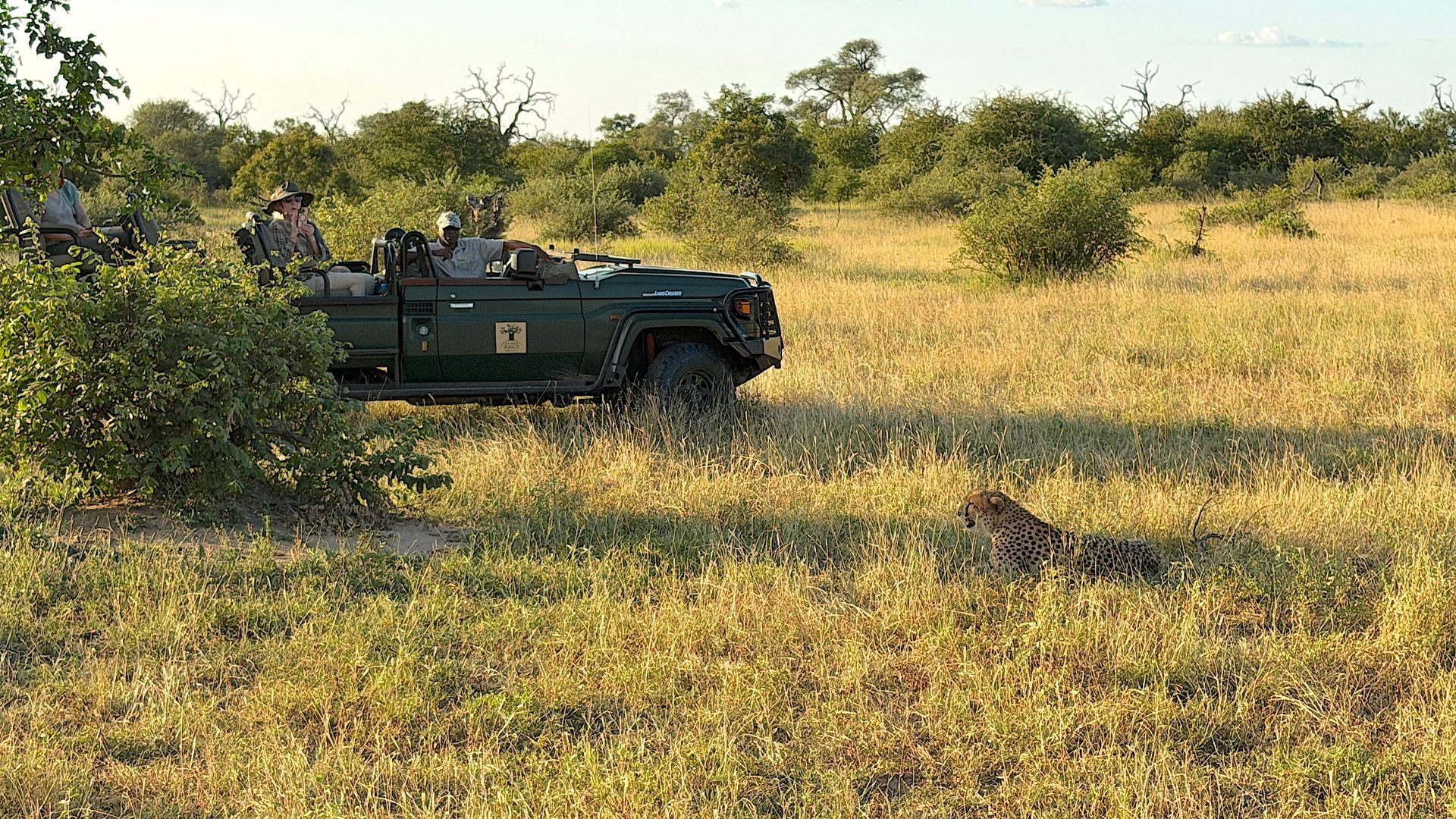
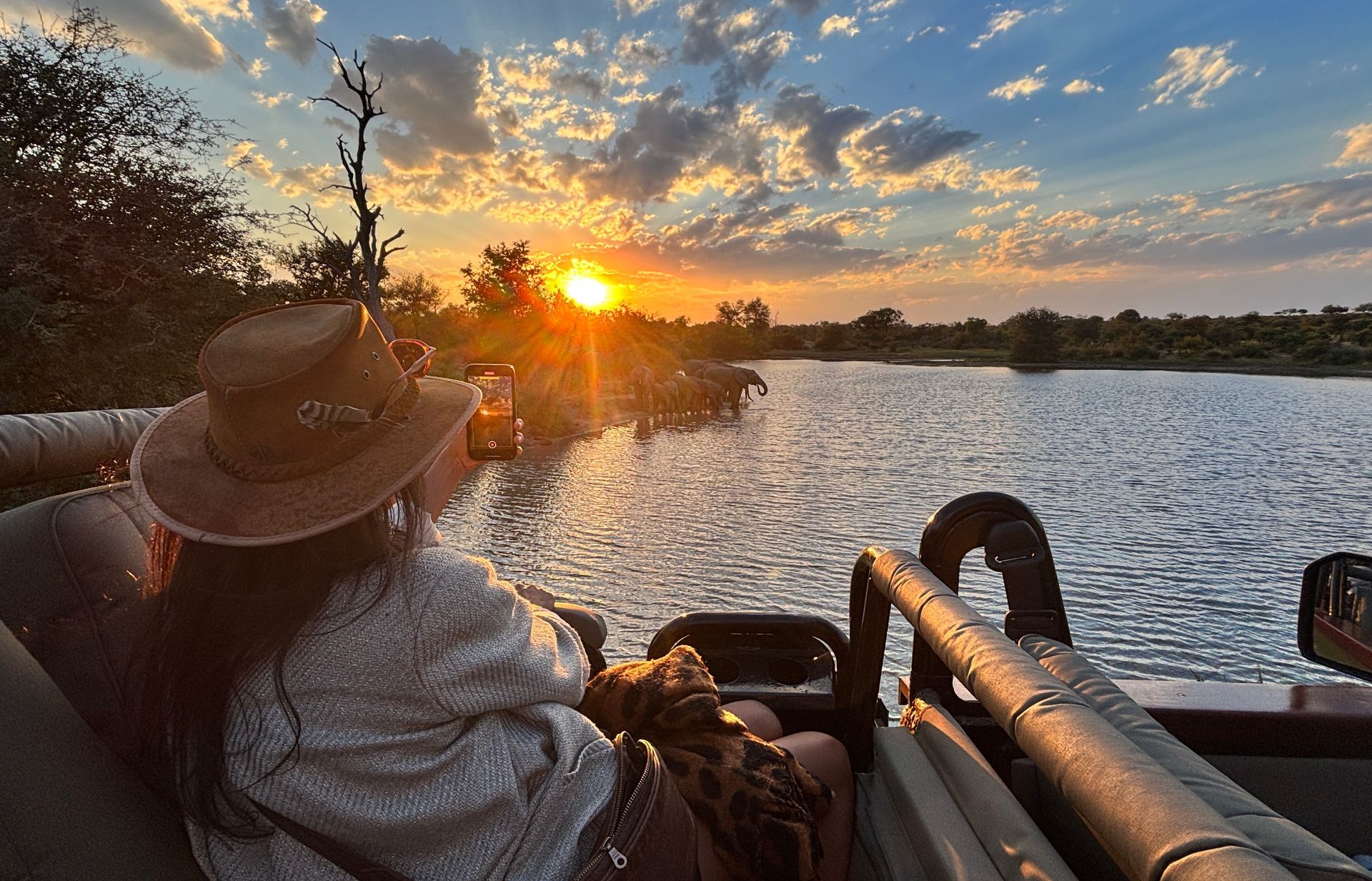
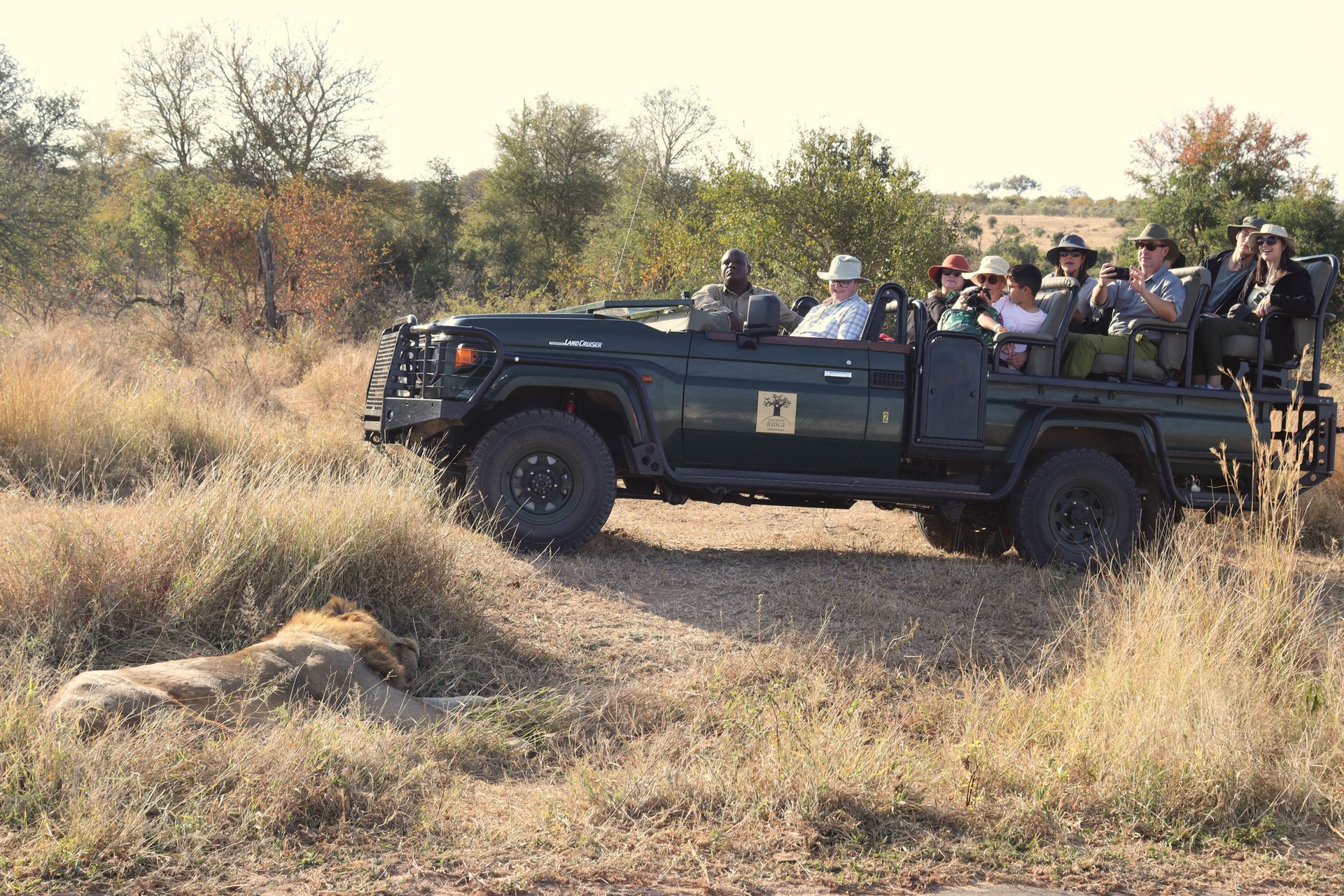
It starts the moment our open safari vehicle pulls away from the lodge in the thin early light with the bush still cool and dark around it, and ends the moment it rolls back in hours later, full of people who're genuinely excited at the experiences the Klaserie has just delivered. This is the game drive - the backbone of any safari experience.
At Baobab Ridge, game drives are the thing each day is built around. Everything else, wonderful as it is, arranges itself around those hours spent out exploring the Klaserie, and the lodge has invested seriously in making sure that the incredible vehicles carrying guests are not just equal to the occasion, but become an integral part of it!
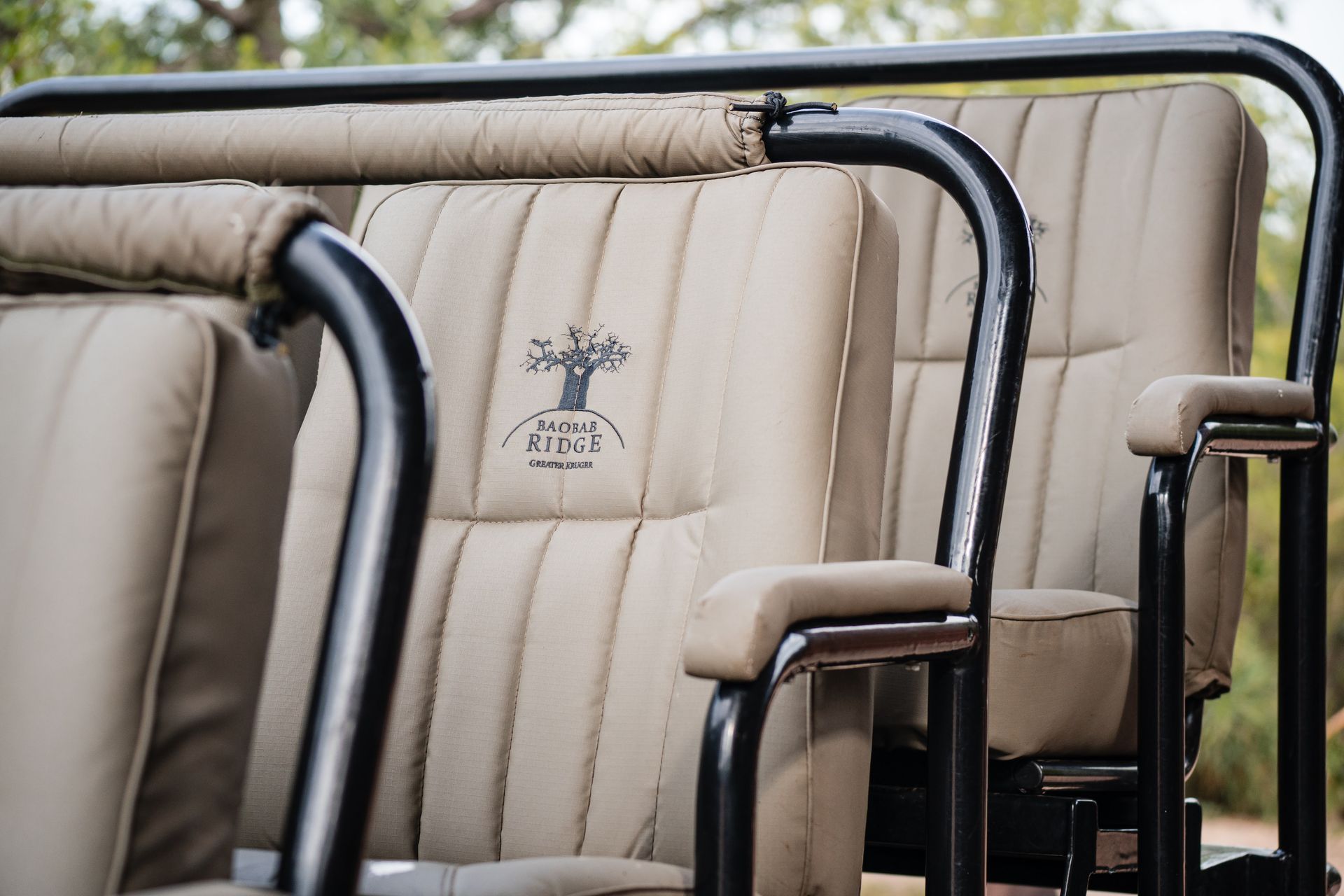
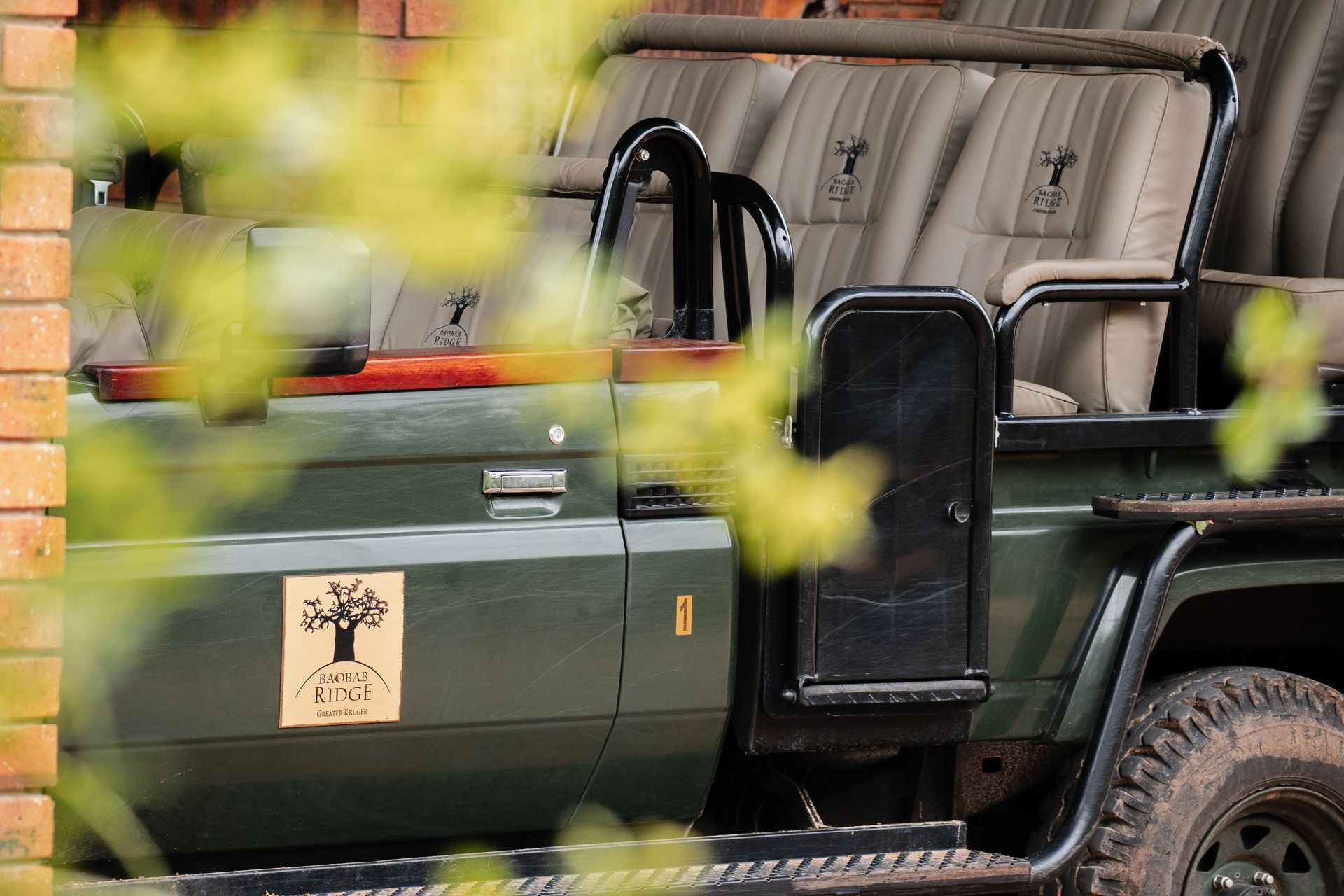
Comfortable in the way that matters, open to everything the bush wants to offer and capable of going wherever the wildlife leads, our vehicles are the kind of machines that disappear beneath you within minutes of departure. That's what a great safari vehicle should do because the moment you stop thinking about where you're sitting is the moment the bush gets your full attention, and that's when the safari starts to deliver.
We recently invested in brand-new Toyota Land Cruisers which have been converted with no small amount of expertise into exceptional open safari vehicles with lots of extras like built-in ladders to help less-abled passengers climb on with ease, lots of storage space in back-of-seat pouches, seats that are at just the right angle to avoid lower back pain and suspension that absorbs most of the inevitable bumps and dips the Klaserie throws at you! The result - safari chariots without compare that our guests constantly rave about (especially those who have been on many more uncomfortable vehicles in their time!)
The morning drive earns its early start in the first 20 minutes. The Klaserie at dawn is a specific and irreplaceable thing, the light arriving slowly through the tree line, the air sharp enough to make the breath visible and the warmth of a good jacket feel like a considered decision rather than an overreaction. There is a quality to the bush at this hour that the rest of the day doesn't quite replicate, a rawness and an energy that belongs to the transition between night and morning, when the nocturnal world is standing down and the diurnal one is gathering itself, and the reserve is briefly, gloriously both at once.
Somewhere out in the wilderness, the guide finds a spot worth stopping for and cuts the engine. The bush comes in immediately and completely, a flask appears, coffee is poured, rusks are produced, and for a few minutes or so a vehicle full of people enjoy the kind of stillness that only the African wilderness produces. It's at once mesmerising and addictive and stays with you for a lifetime.
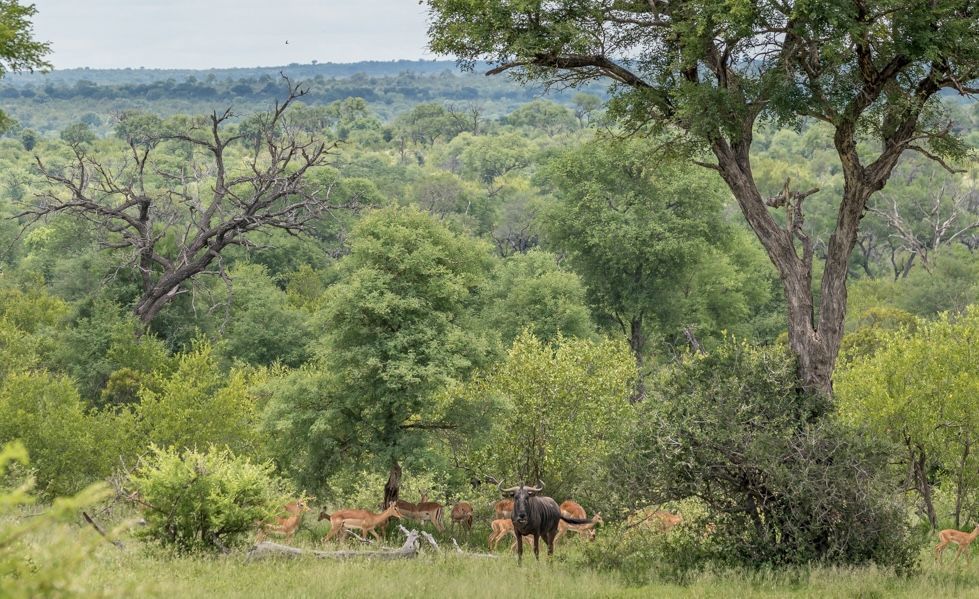
The afternoon drive is a different proposition in mood and in ambition. By the time it departs, the Klaserie has had the hottest hours of the day to itself, and the animals have been doing what animals sensibly do in the midday heat of the Lowveld, which is to find shade and stay in it. As the temperature drops and the light begins its long, golden lean towards evening, things start to move again, and the bush takes on a quality of alertness that the guide reads as instinctively as anything else.
The afternoon drive has an energy to it that builds as the light fades, a sense of gathering momentum that makes the sundowner stop feel less like a pause and more like a breath taken before the best part.
And the sundowner stop is worth taking a moment to consider, because it has been romanticised to the point of cliché and remains, despite all of that, completely and stubbornly wonderful. The vehicle pulls up somewhere with a view that justifies the detour, drinks are poured and the Greater Kruger sky begins outshining even the most evocative painting by a grand master. The conversation that was buzzing on the drive quietens of its own accord, and for a while everyone simply watches, which is the correct response.
Then the darkness comes properly, the spotlight goes on, and the drive continues into a Klaserie that operates on entirely different rules. The animals that own the night are out and unhurried, moving through the beam with a confidence that the daytime hours don't always produce.
The sounds are different, the atmosphere is different and the quality of attention required from everyone on the vehicle is different, a particular kind of alertness that comes from moving through a wild place after dark on an open vehicle with the bush close on both sides and the stars overhead in numbers that no city-dweller is quite prepared for.
It's the same reserve that delivered the morning drive, and it's completely unrecognisable, and both of those things are true simultaneously. Guests who've done both drives on the same day, which is to say all of them, tend to find it difficult to say which was better. This, as it happens, is exactly the right answer.
As the trusty safari vehicle returns to the lodge in time for dinner and the day's activities come to a close, it's worth remembering as you climb down to the warm towels and wide smiles that are waiting for you that even though you'll be back on board in a few hours for another day of exploration and excitement, no two game drives are EVER the same. And that is their greatest secret and the thing that keeps them on top of any safari activity list.