A passion for the wild
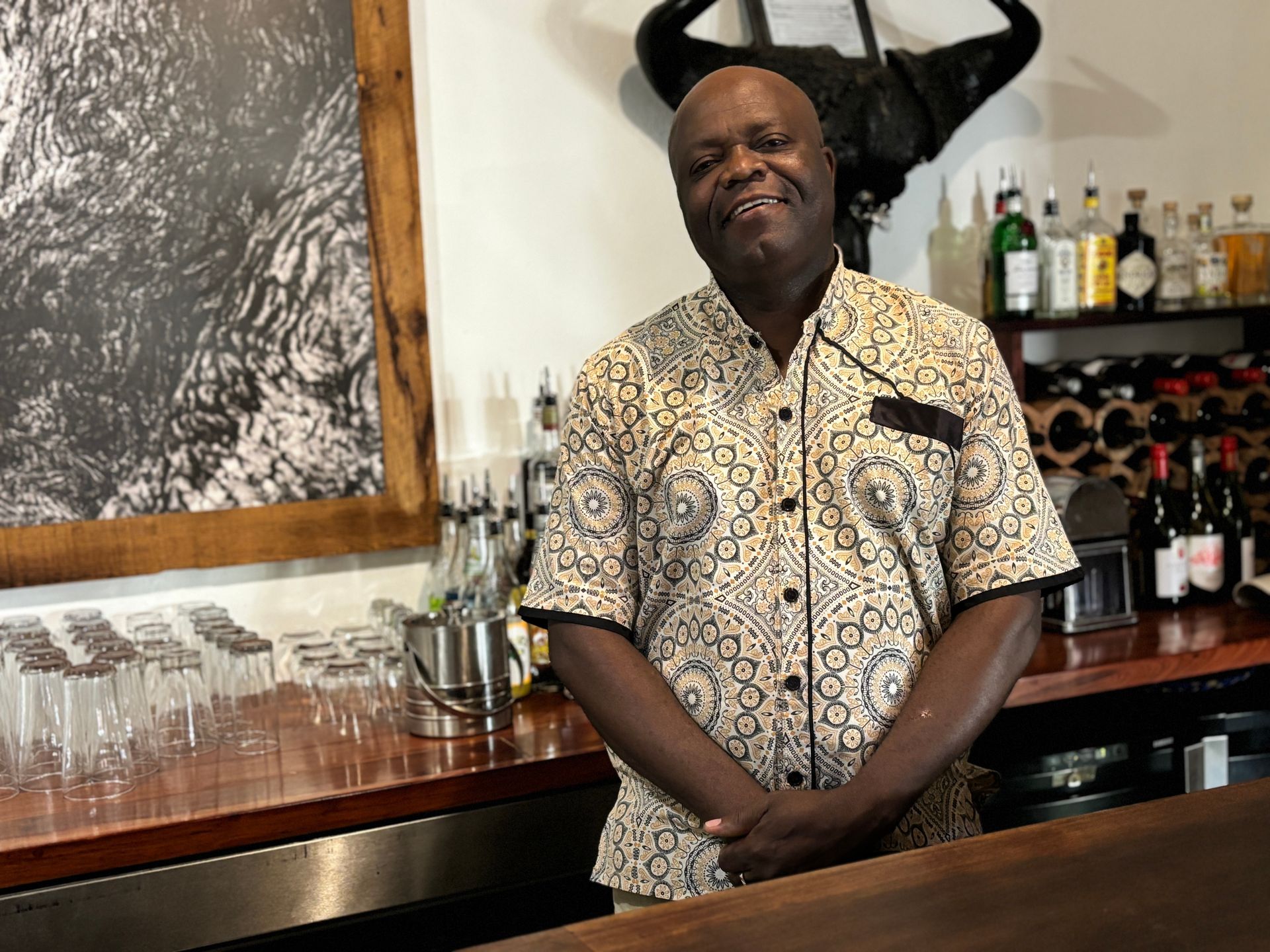
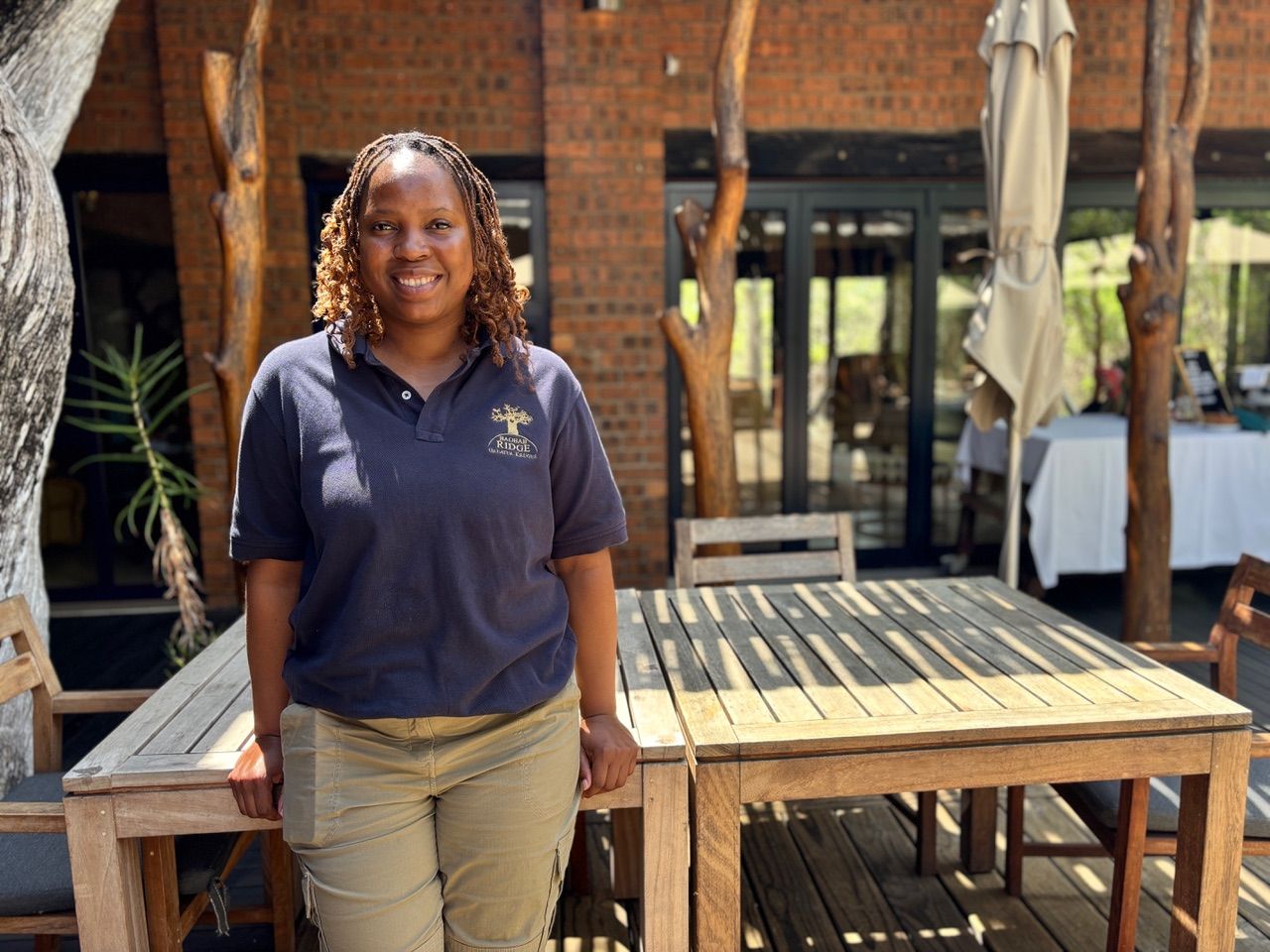
Meet Baobab Ridge guide Shadrack Mathebula
Some guides learn the bush through books, exams and years on the job. Others grow into it long before they ever wear a uniform or lead a game drive. For Shadrack Mathebula, guiding is not just a profession, but an extension of a life lived close to the land, shaped by memory, movement and a deep cultural understanding of the wilderness. Let's find out more about his journey...


Shadrack's childhood unfolded in a time before fences fully reshaped his landscape, when wildlife and people still shared the same spaces. Born and raised in the village of Share, close to the Manyeleti Game Reserve, he herded cattle when he wasn't attending school, spending long hours outdoors, immersed in the rhythms of the land.
In those days wildlife moved freely through the area. Impala, zebra, wildebeest and giraffe mingled with livestock, and the bush was not something separate from daily life. These early experiences shaped a lifelong connection to the natural world. “It's where I developed a passion for wild animals,” he says, sagely.
No one else in Shadrack's family worked in the safari industry. He was the first and his path into guiding came through mentorship rather than inheritance. A respected local guide recognised his potential and took him under his wing.
“He’s the one who groomed me and taught me to become a tracker,” Shadrack says. “He trained me properly and sent me for formal education.” Tracking was his entry point, but it was never meant to be the end. “I didn’t want to spend the rest of my life being a tracker,” he says. “I tracked for three years and then after that I qualified as a guide.”
Like many guides, his journey wasn’t linear. After leaving school, Shadrack enrolled at college in Nelspruit to study business administration, but financial pressures forced him to stop before completing the course.
Tracking offered both work and purpose, and in 2002 he secured his first formal position in the safari industry. Two years later, he wrote his FGASA Level 1 and was promoted to junior guide. "From there, I didn’t look back,” he smiles.
Now 51, Shadrack is still studying. “You can’t stop learning,” he says. “You never know everything even though you want to know everything, so you have to learn a lot.”
His guiding career has taken him across different landscapes, including a six month placement near Cape Town. It was a valuable experience, but it also reinforced where he truly belongs.
“It was very different,” he says. “I missed the real bush.”
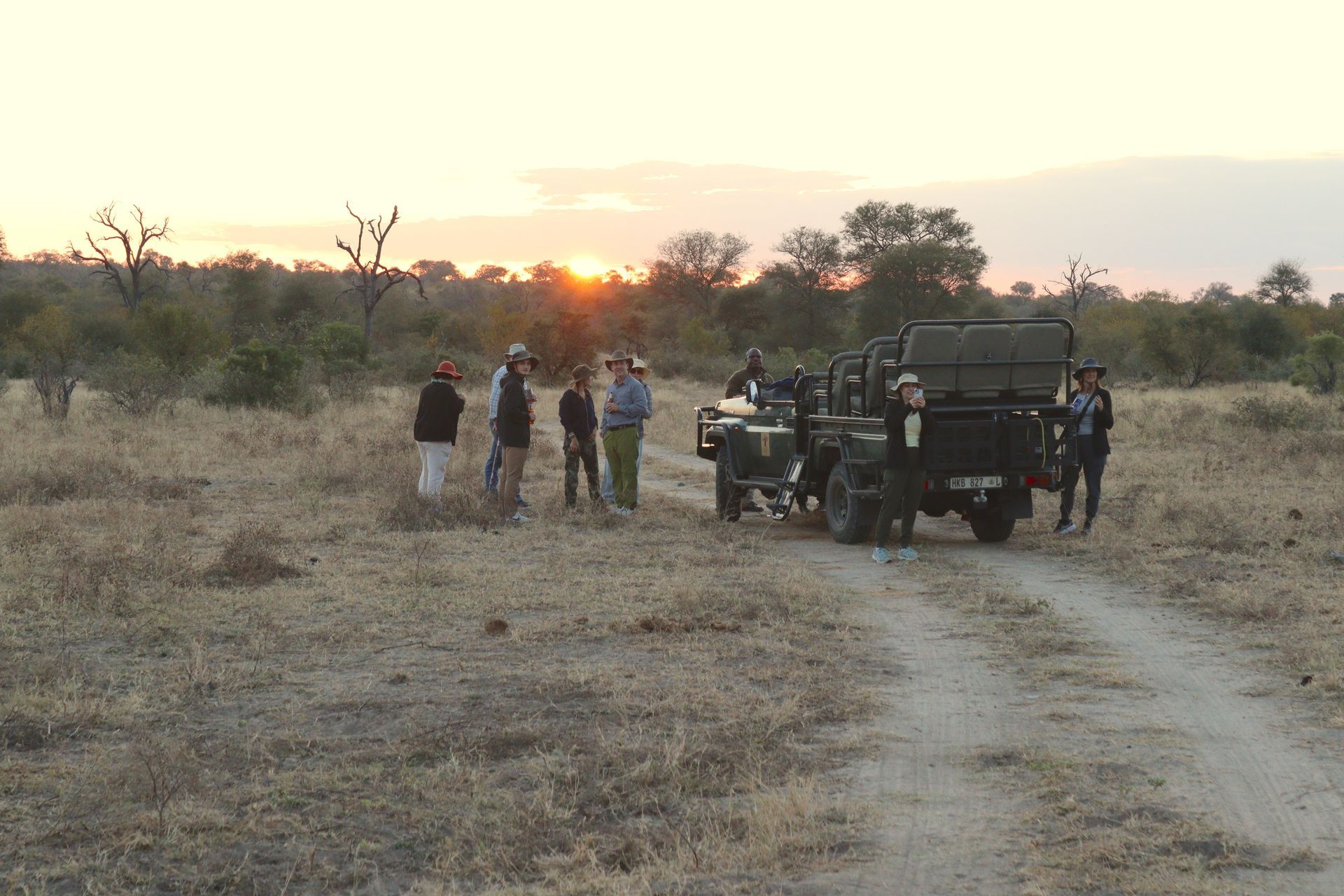
He joined Baobab Ridge in June 2025 and quickly found his rhythm. “I’m enjoying it very much,” he says. “You become part of the family here.” The pace suits him. “Where I was before, there were a lot of people and a lot of pressure,” he explains. “Here there are fewer people and the work is relaxed.”
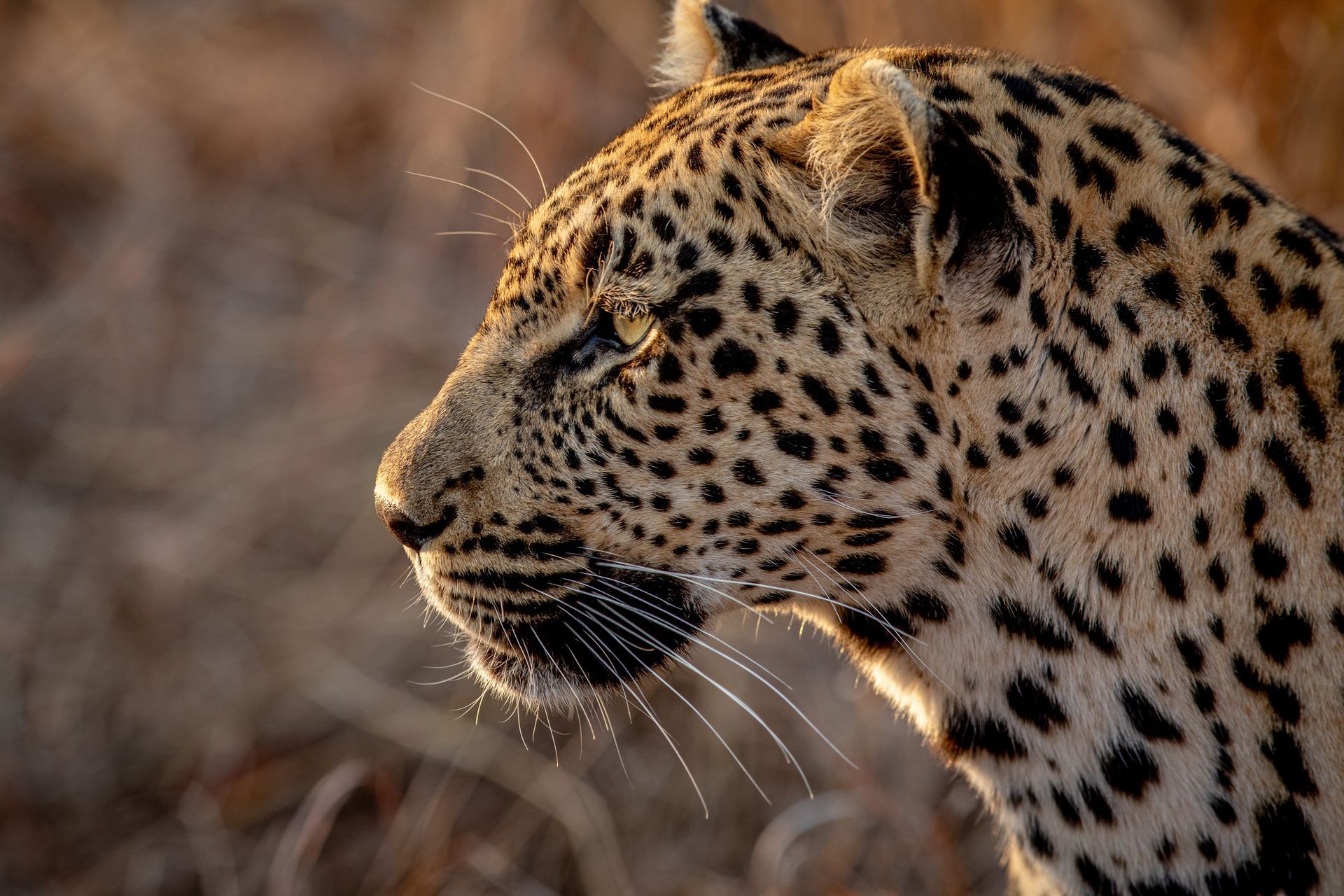
The bush may be more open, but the wildlife is abundant. “We’re seeing huge herds of buffalo,” he says, “and leopard every two or three days. Where I was before, you could stay for a month without seeing one.
Choosing a favourite animal isn’t easy. “I like all animals,” Shadrack says, before admitting he likes leopard the most.
Home is still Share village. “I’ve got my wife and three daughters there,” he says proudly. “They’re 21, 16 and 11.” His eldest is studying to become a teacher through the University of South Africa. His middle daughter dreams of becoming a doctor. “It’s expensive,” he admits, “but these days there are opportunities like student financial aid.”
After years of long rotations, family life feels more balanced now. “Before, I was doing six weeks on and two weeks off,” he says. “Now it’s better. I’m home every month. I see them more.”
Looking ahead, Shadrack hopes to become an assessor, particularly in tracking. “Tracking is very important,” he says. “It’s part of our culture.”
That cultural connection runs deep. Growing up Shangaan, the bush was both home and pharmacy. “Back in the day, there were no hospitals or chemists,” he explains. “We used roots, bark and leaves for medicine.”
He speaks easily about traditional knowledge. “Red spike thorn helps with congestion,” he says. “Elephant dung can clear blocked nostrils, help with headaches and keep mosquitoes away.”
Marula trees hold particular importance. “We use marula trees to communicate with our ancestors,” Shadrack says. “When someone wants to get married, the family goes under the tree and introduces the couple to the ancestors. We ask them to guide and protect us.”
It’s a practice that extends to life’s major transitions. “If I want to go and look for work, we speak to the ancestors and ask for protection,” he explains. “They go with you.”
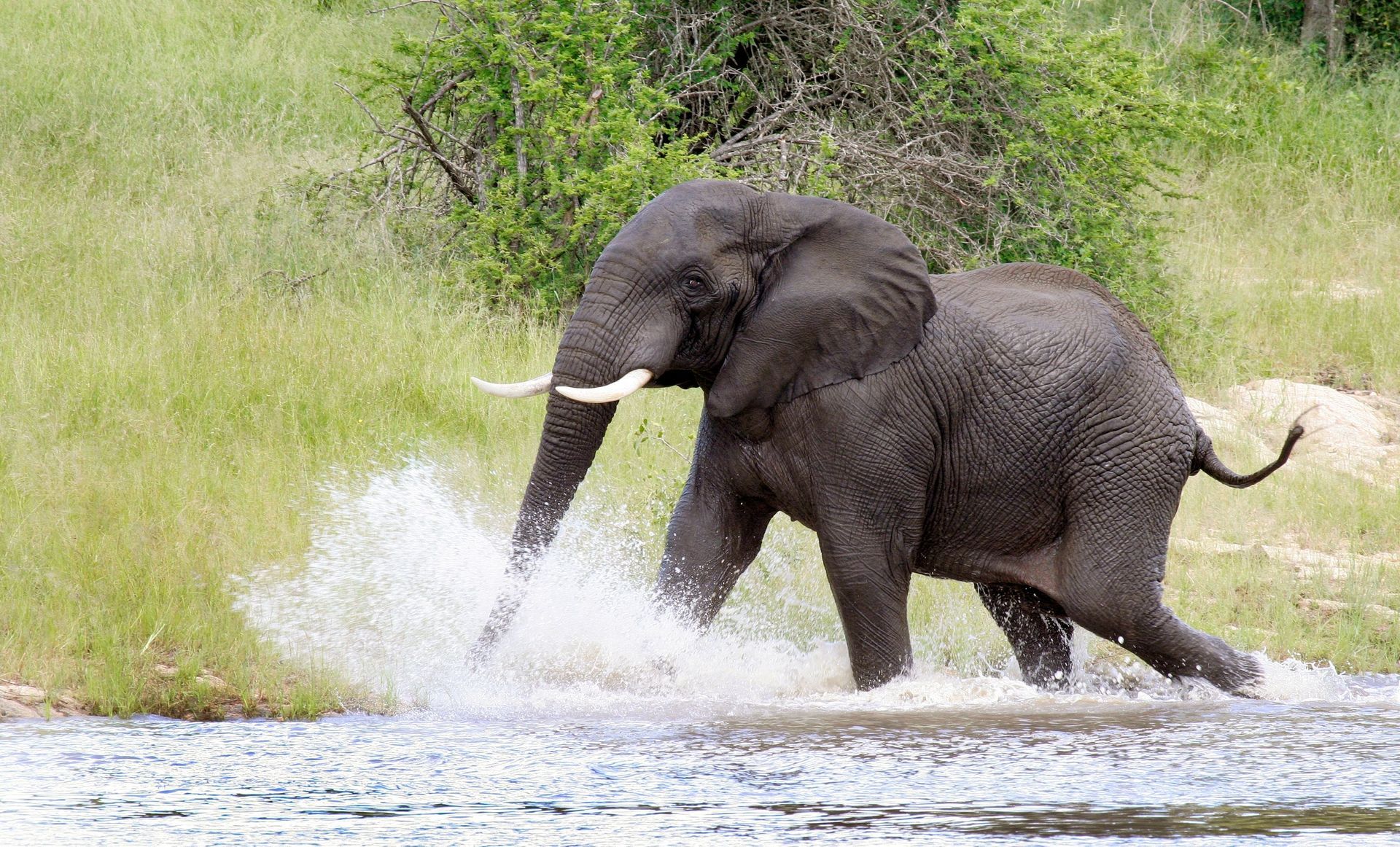
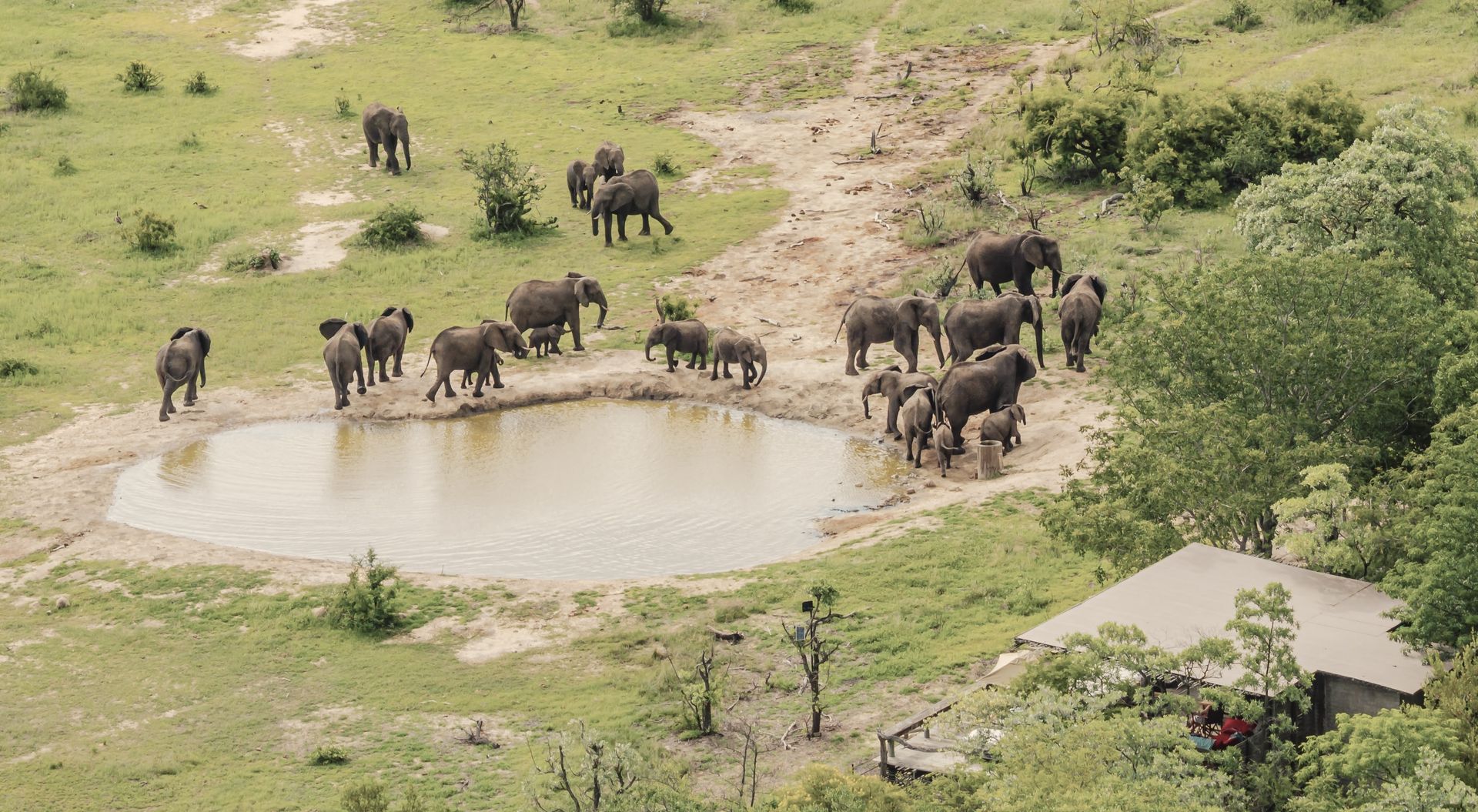
This worldview shapes his perspective on conservation too, especially when it comes to elephants. “Back in the day, elephants were free,” he says. “They used to move from country to country.”
The problems people see now, he believes, are human made. “The moment elephants were fenced into small places, that’s when they became destructive,” he explains. “They need huge space. When they are stressed, they knock down trees.”
He’s clear where responsibility lies. “The problem is not the elephants,” he says. “It’s caused by us.”
He recalls an old elephant bull from his tracking days, famous for breaking fences and refusing to stay put. “They moved him far away,” Shadrack says, “and the next morning he was back. Elephants don’t care about borders.”
For Shadrack, guiding is about sharing these truths with guests. Helping them see the bush not as something static, but as a living system shaped by movement, memory and history. “Elephants have been here longer than us,” he says simply. “We must remember that.”
It’s that depth of lived experience, cultural understanding and quiet authority that defines Shadrack. A guide shaped not just by training and qualifications, but by a lifetime of walking with the land.