Meet Africa's biggest icon...
THIS GENTLE GIANT TRULY EMBODIES THE SPIRIT OF AFRICA
When you think of Africa certain images spring to mind... Vast open savannahs filled with wildlife... Beautiful big cats... And more often than not, elephants. The African elephant is perhaps the continent's most iconic animal, with its ears that so closely resemble the shape of Africa, its huge stature (it's the world's largest land mammal) and its reputation for being wise and all-knowing.
It's a true giant. And a gentle one at that. It's also one of Africa's most threatened species, thanks to the demand for ivory, so protecting it in wilderness areas like the Klaserie and Greater Kruger National Park is of critical importance.
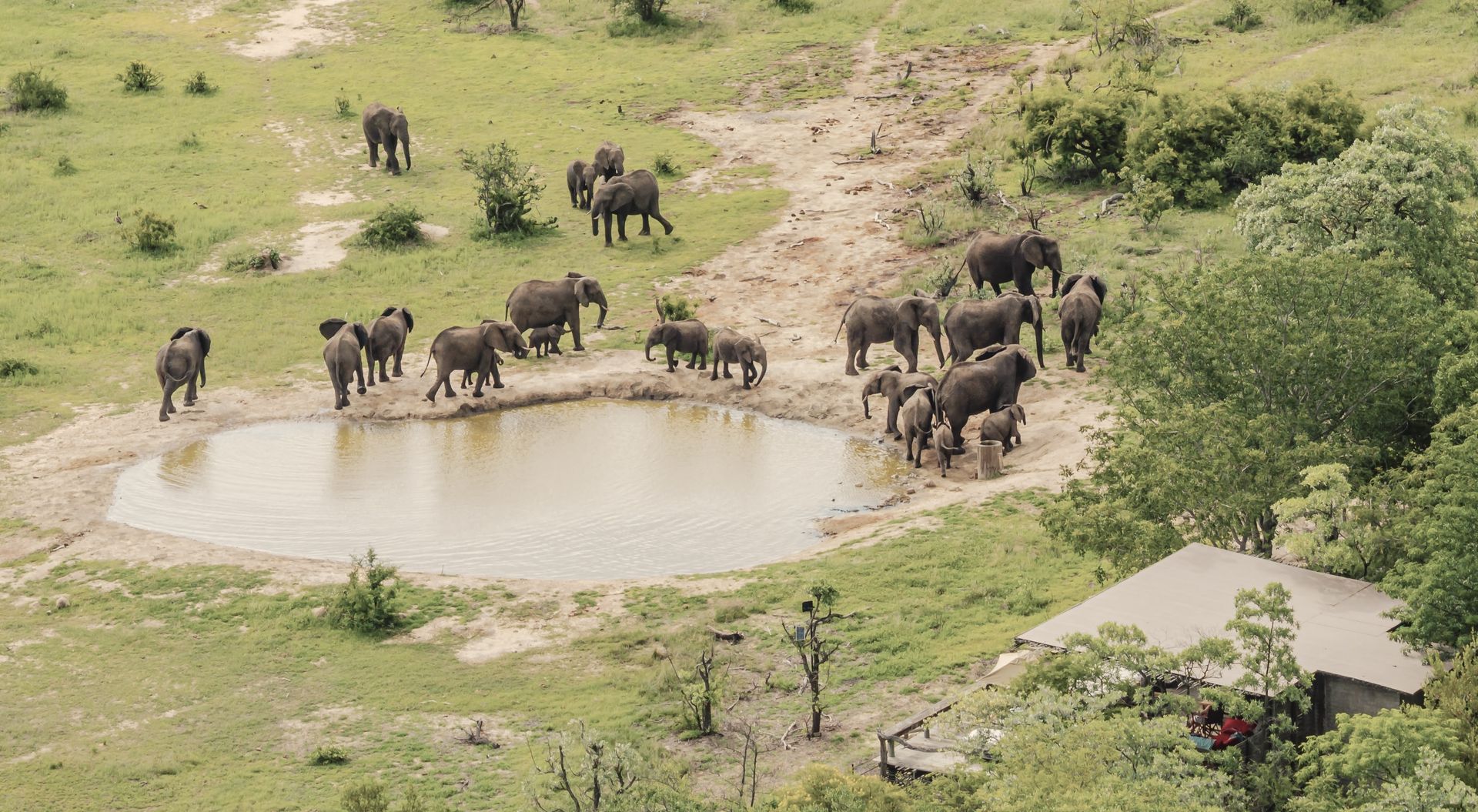
Elephants are incredible mammals. They form huge family groups, often called breeding herds, which are headed up by a single female (usually the oldest and largest) who is referred to as a matriarch. She literally rules the roost, presiding over her "family" - related adult females and their combined young, from tiny babies to sub-adults.
When male elephants - known as bulls - reach sexual maturity, they are pushed out of the family and often bond together with older, larger bulls, forming loose-knit bachelor groups. They learn from the older, bigger bulls, eventually heading out on their own. Females stay in their family unit for life.
Elephants are fiercely intelligent, display a range of almost human-like emotions, empathise with one another and other species and are sentient, recognising themselves in mirrors. They grieve for their dead, assist those less able than themselves in their family units. They help other family members in distress and are extremely tactile, constantly touching, holding and caressing each other to reinforce family bonds and friendships.
They also use tools and pass down their wisdom and understanding of the environment around them, teaching skills to one another and sharing their vast knowledge like where to find water, which areas offer good grazing and browsing, which areas to avoid (that possibly pose a danger to them) and migratory routes that have been used over countless millennia.
Elephants have enlarged ear bones and sensistive nerve endings in their feet and trunks which help them to hear and communicate over enormous distances, using foot stomping and low-frequency, infrasonic rumbles and other vocalisations like trumpeting to stay in touch with one another.
All of these things resonate at a frequency other elephants can detect through the ground, allowing them to "hear" through the soft, pneumatic pads on the soles of their feet and sometimes laying their trunks on the ground to detect vibrations.
The saying goes that elephants never forget. When it comes to wrongs done to them by humans, that statement has often proven very true. In parts of Africa where elephant poaching is rife, the elephants are extremely wary of people and have become able to work out the level of threat posed by individuals, recognising the scent of weapons and the intent of those who would do them harm.
Experts estimate that we lose 100 elephants a day across Africa to ivory poaching. So that's quite a lot of harm that's being done and represents one elephant killed every 15 minutes.
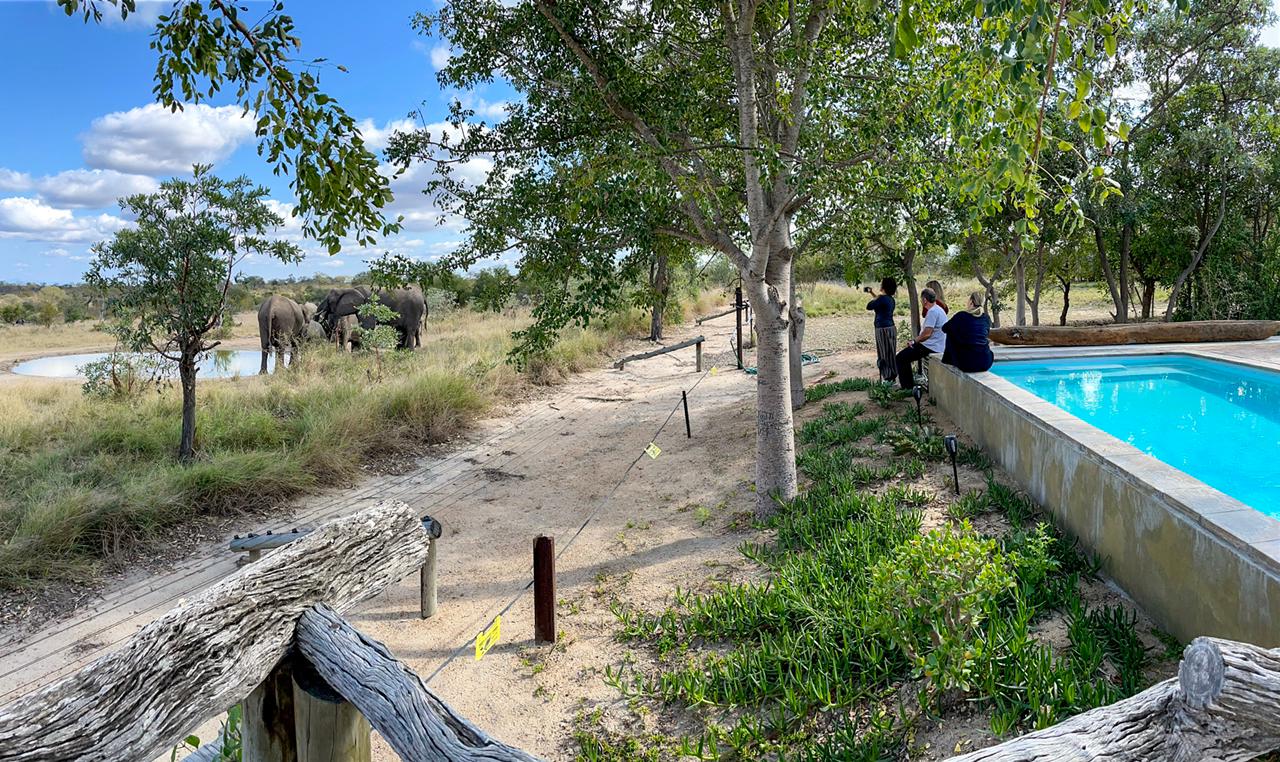
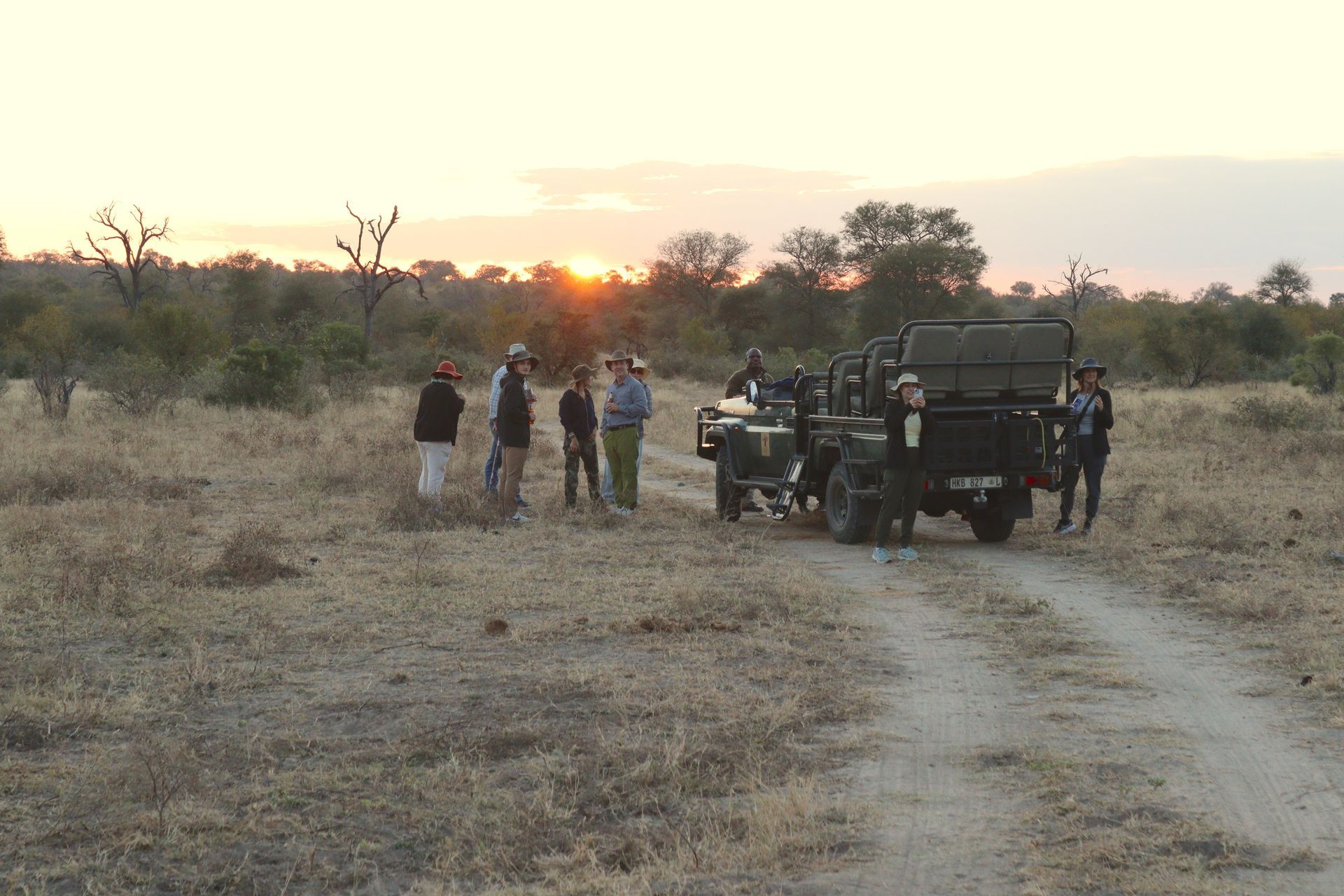
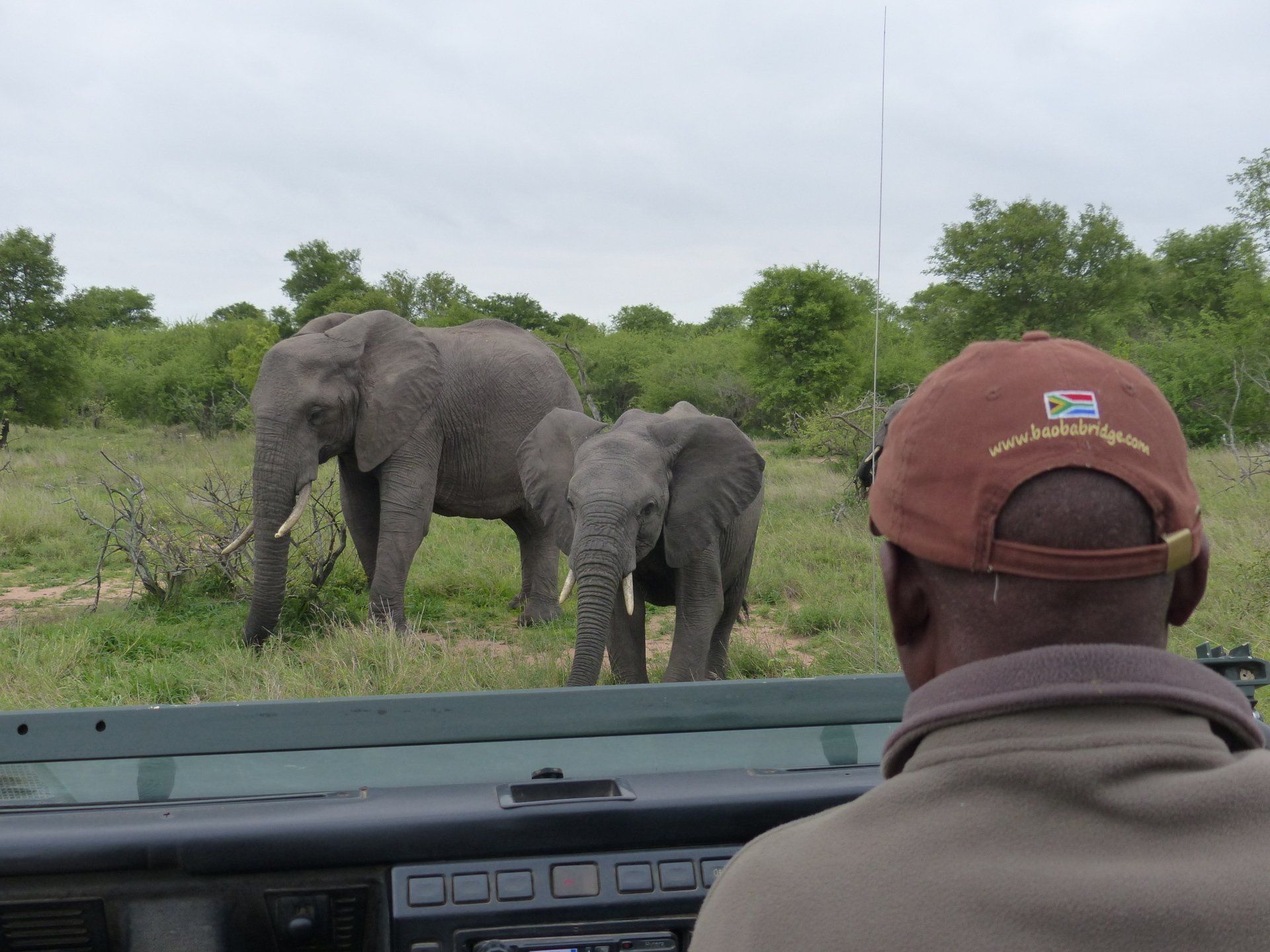
Taking all of this into account, it's truly a privilege to be able to see elephants in a relaxed and approachable state when out on safari here at Baobab Ridge. We're lucky enough to have regular sightings of both breeding herds and majestic, single bulls - all part of the Greater Kruger population of an estimated 20,000 elephants.
There's something truly special about sitting quietly and observing a family group of elephants in their natural habitat, watching their social interactions and working out their personalities. And when they come down to the waterhole in front of the lodge to drink, it's an added bonus! So we hope you get to see "ellies" on your next safari with us here at Baobab Ridge.