The fastest thing on four legs!

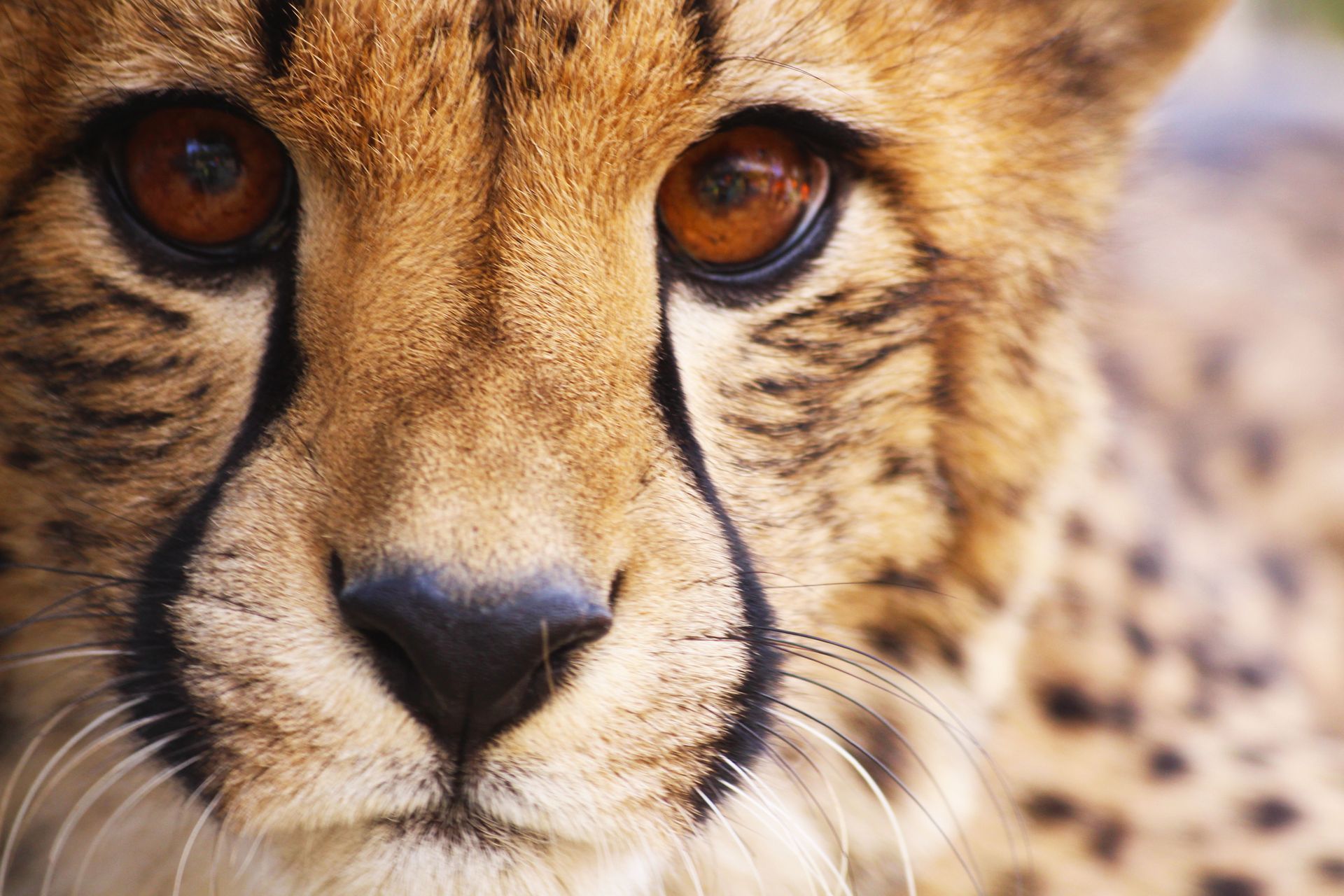
Close-up of a cheetah’s face with amber eyes and black tear marks

Meet the enigmatic cheetah - Africa's smallest big cat!


When it comes to Africa's big cats, invariably the lion and leopard steal the limelight, but the smallest member of this grouping is without a doubt it's most fascinating... In fact, the cheetah is a complete enigma! 


It's the fastest land animal on the planet, reaching 112km/h in just three seconds - that's faster than most super cars and equal to an F1 car's acceleration. It's built for super speed over short distances of up to 300m, but is less impressive when it comes to stamina, running out of energy after a minute at full speed. That's easy to understand when you learn that cheetahs take three strides a second, covering 7m with each stride!


Sprints like these use up most of the cheetahs energy quota, leading to them resting for most of each day and only moving around for around 12% of the time. Conserving energy is a priority for them so that they have the reserves they need to hunt - something they are quite literally built to do.


A cheetah's eyesight is exceptional and can pick out prey from huge distances, aided by the distinctive black tear marks running from its eyes which help to reflect the glare from the African sun. Cheetahs hunt in the day to avoid competition with their more nocturnal cousins, but they still lose a high percentage of their kills - mostly to opportunistic lions and spotted hyenas. 


When they select prey they stalk quietly, getting as close as possible before sprinting from cover, running down their victim quickly, knocking it down with a swipe of their powerful paws and dispatching it with a bite to the throat. Their claws act like cleats on a running shoe, giving them extreme grip over rought terrain and their long muscular tail acts like a rudder, allowing them to make sharp turns while running at speed.


Often confused with their similarly camouflaged cousin the leopard, cheetahs have properly spotted coats rather than rosettes. It's those spots that have given the cheetah its name, which comes from the Hindi word "chita" meaning "spotted one". The spot patterns are unique to each cat. Occasionally a recessive gene causes a colour mutation producing a more blotchy, almost stripy coat, giving rise to what's known as a "king cheetah". 


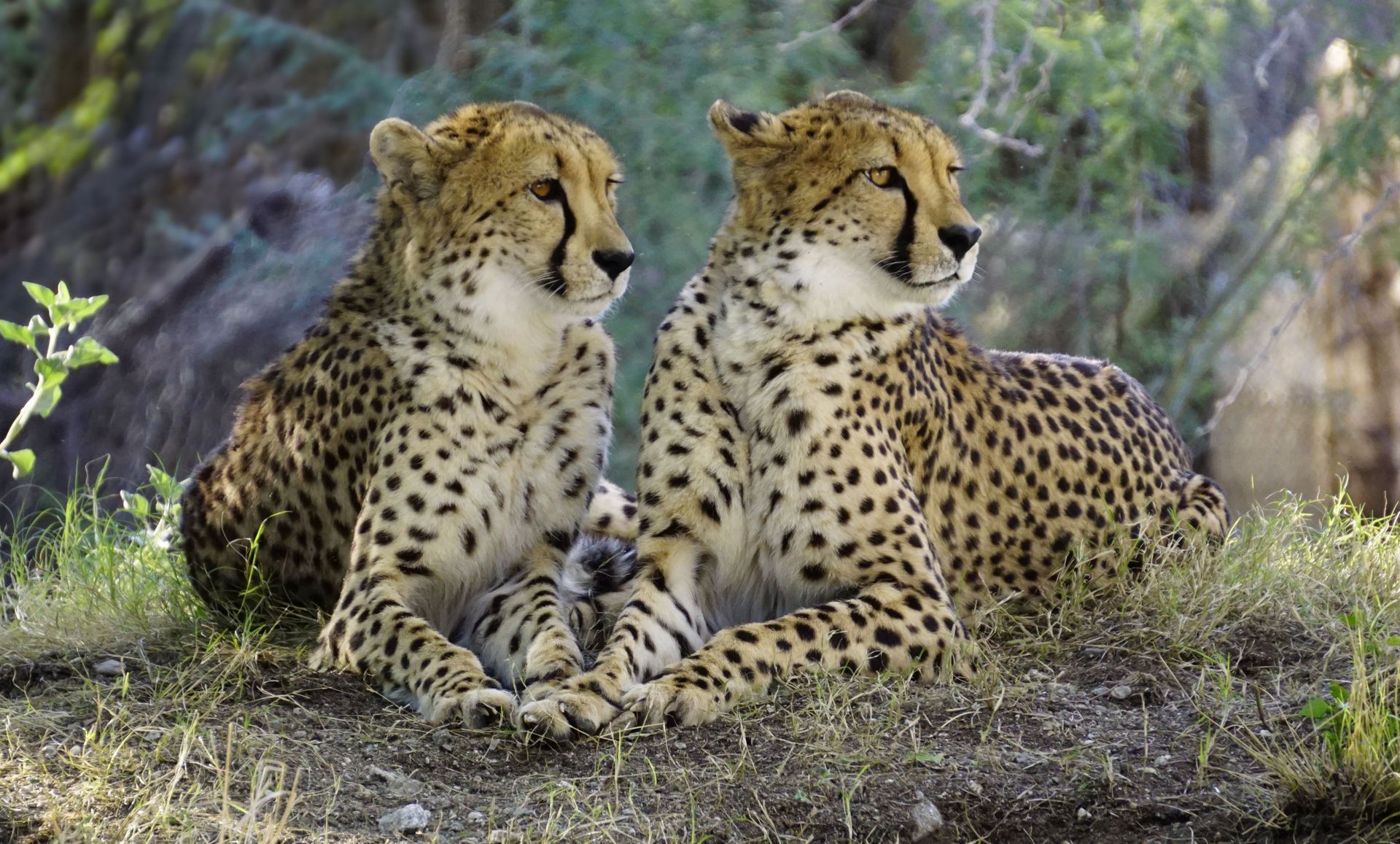
Female cheetahs are largely solitary when they don't have cubs to care for. They give birth to between two and five cubs at a time and raise them on their own, hiding them in dens or dense undergrowth during the day until they are old enough to learn the hunting skills they will need to survive without mum, becoming independent at anywhere from 16 months to two years old. Male cheetahs often form coalitions with their brothers or other similarly aged males, defending territory and hunting together. Males and females only come together to mate.


Cheetahs used to be found across Africa and parts of the Middle East and Asia, as far as central India. In ancient Egypt they were worshipped, with the cat god Mafdet having the head of a cheetah. They were used as hunting companions by countless pharaohs and can be seen depicted in statues, paintings and in royal tombs. Today, the cheetah is listed as vulnerable on the IUCN red list and only an estimated 10,000 remain in sub-Saharan Africa.


Luckily, we are blessed to have regular sightings of these amazing felines, so you may be fortunate enough to see a cheetah in action during your stay with us!
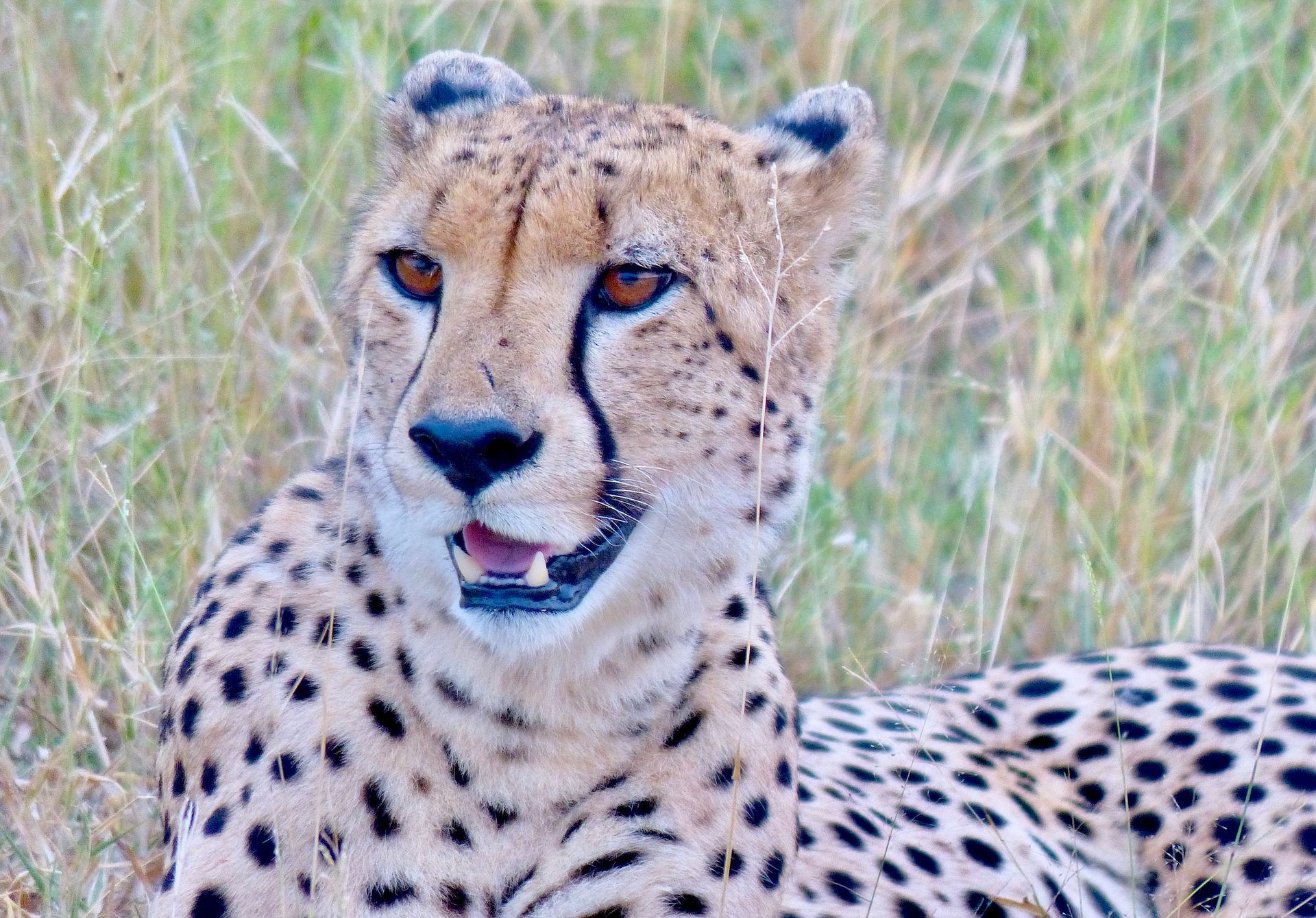
  • Cheetah lying in grass, facing forward with mouth slightly open.

    Slide title

    Write your caption here
    Button
  • Two cheetahs sitting side by side in tall grass, looking in opposite directions.

    Slide title

    Write your caption here
    Button
August 3, 2026
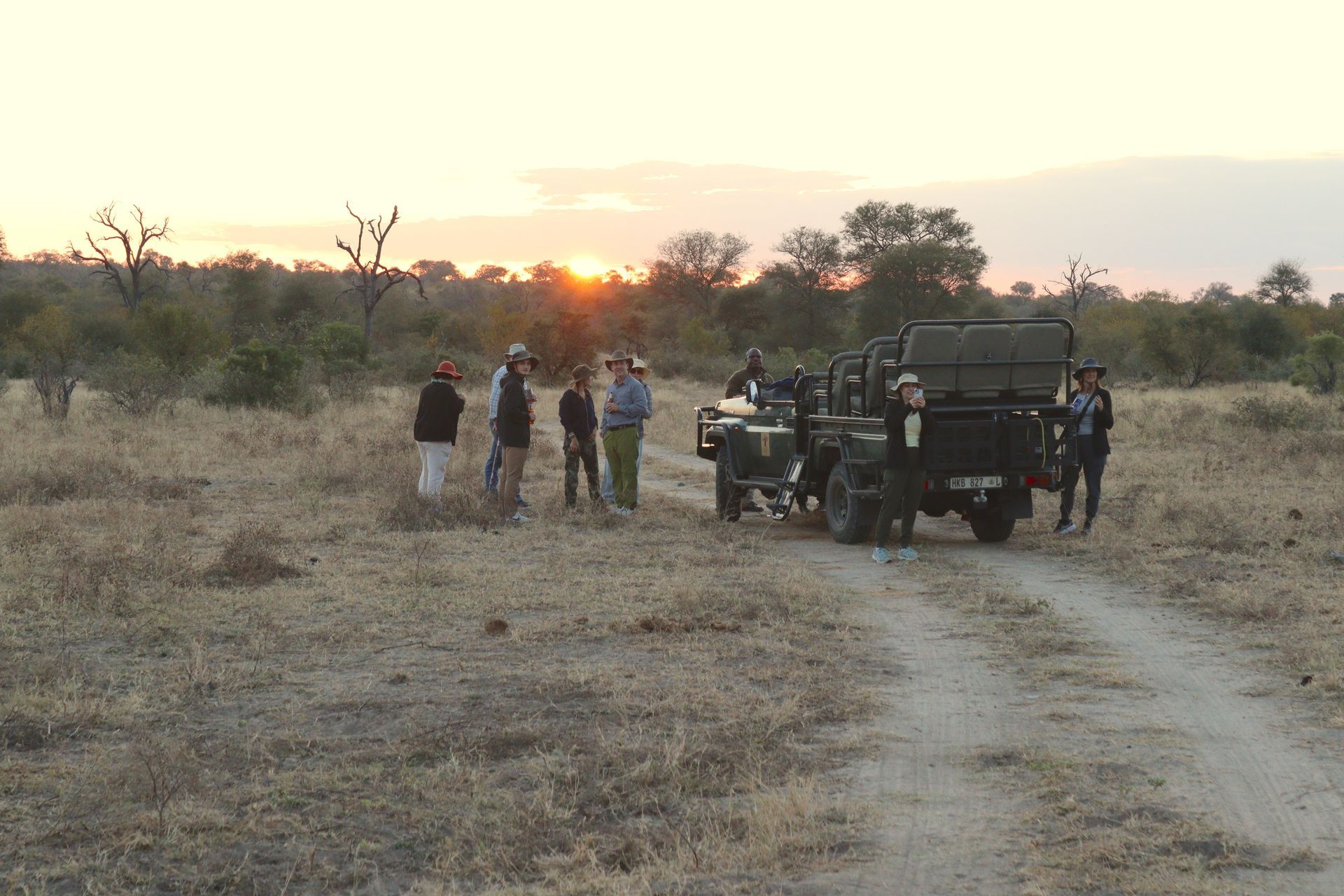
As winter reaches its zenith, the Klaserie has settled into the particular rhythm of the dry season with the ease of somewhere that's been doing this for a very long time. The grass is short and pale gold, the trees have given up enough of their leaves to open sightlines that the lush summer months render impossible.
People gathered near safari vehicles on a dirt road at sunset in a dry savanna.
July 13, 2026
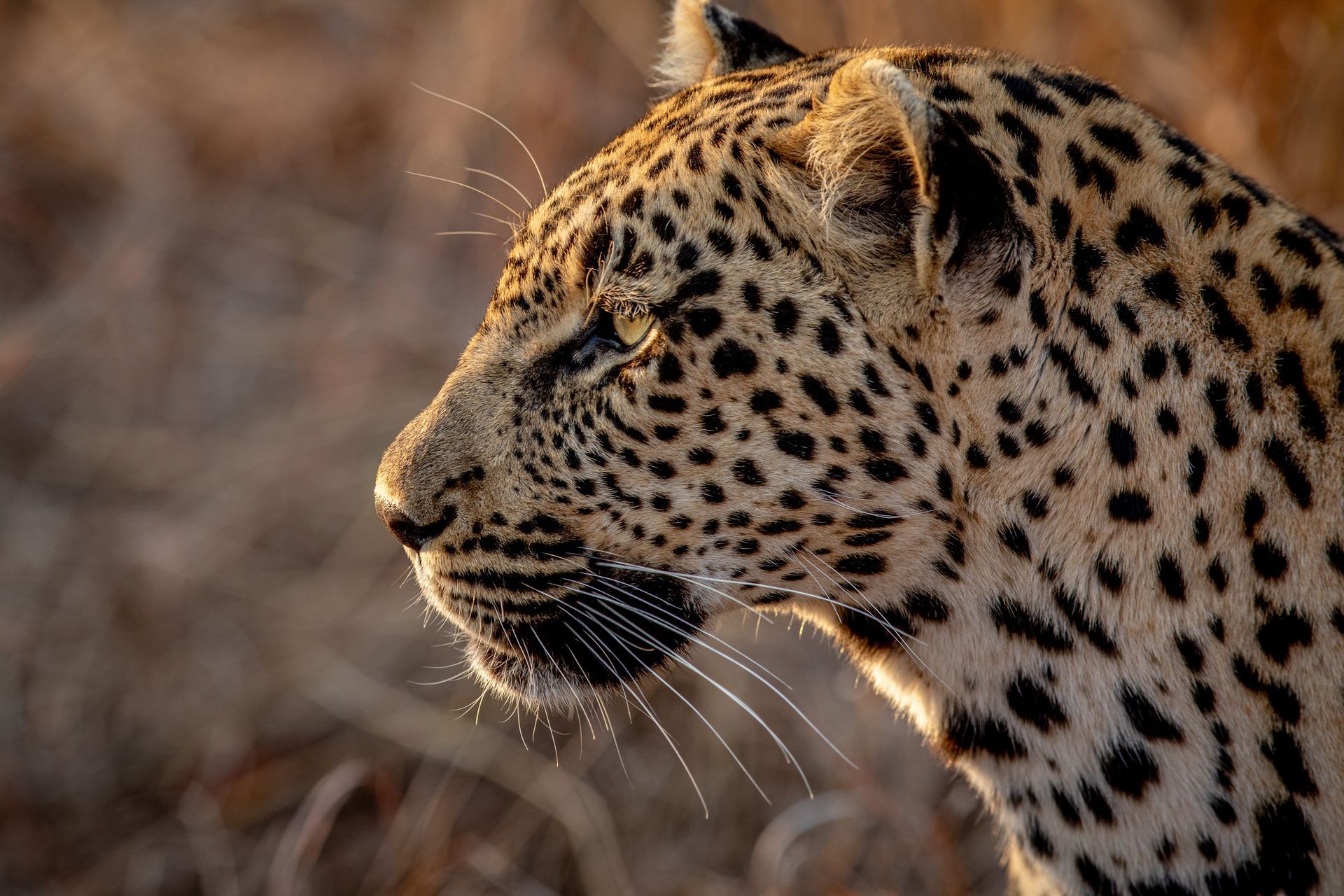
Seasoned safari-goers will tell you, hand on heart and with the conviction of people who've tried most things, that a game drive in a private reserve on an open safari vehicle is one of the greatest pleasures available to a human being with a passport and a sense of adventure.
Leopard in profile with spotted coat, looking left in a blurred natural setting
June 17, 2026
Every so often, someone asks the question directly... They've looked at the rates, done the mental comparison with a city hotel or a beach resort, and they want to understand what justifies the number. It's a fair question, and it deserves a proper answer, because once you understand what actually sits behind the cost
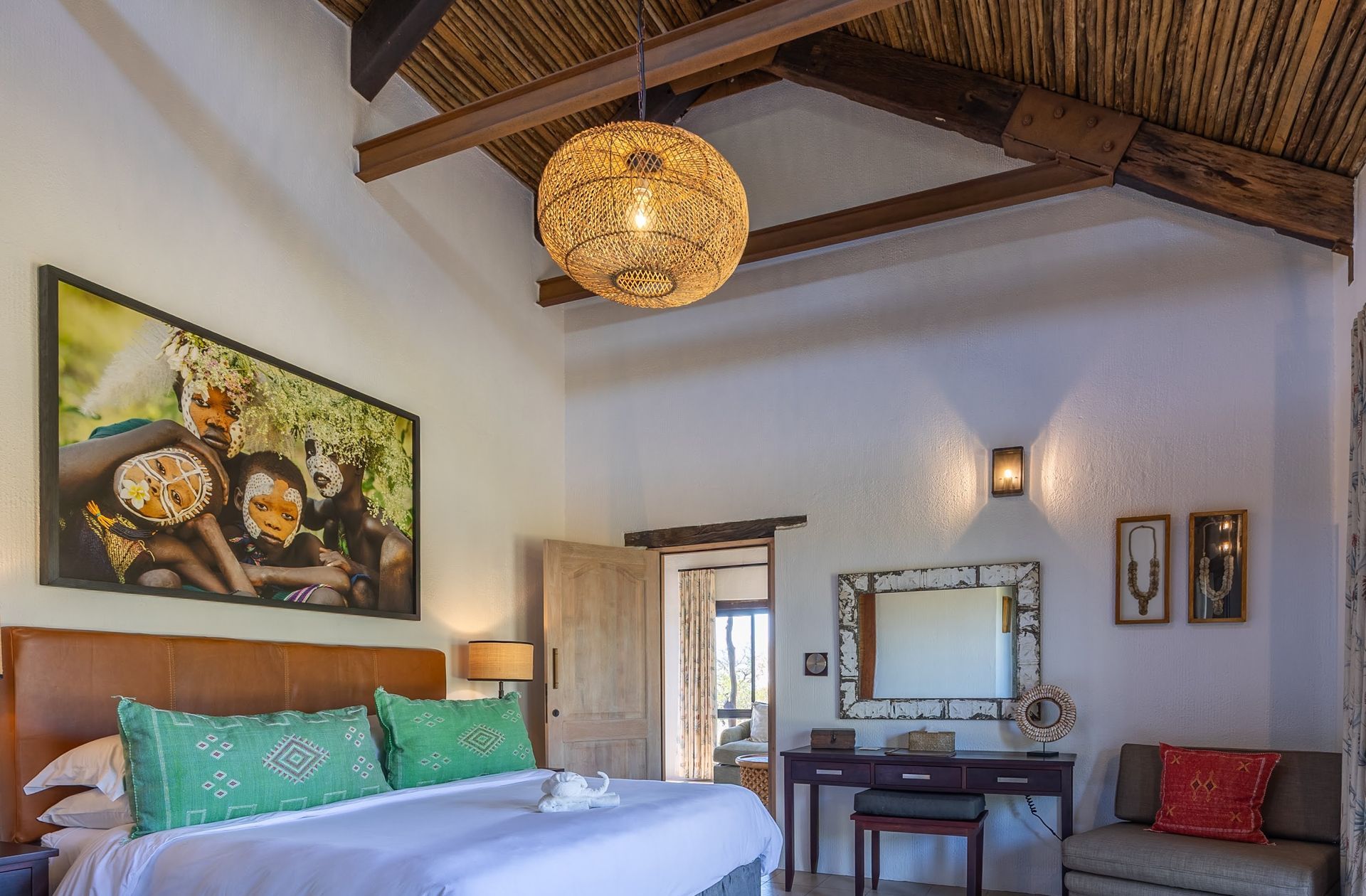
The main bedroom
May 7, 2026
There's a particular kind of holiday that parents of young children dream about: one where the kids are genuinely, wide-eyedly captivated, where the adults can actually relax, and where the experience feels special enough to stay with everyone long after the tan has faded.
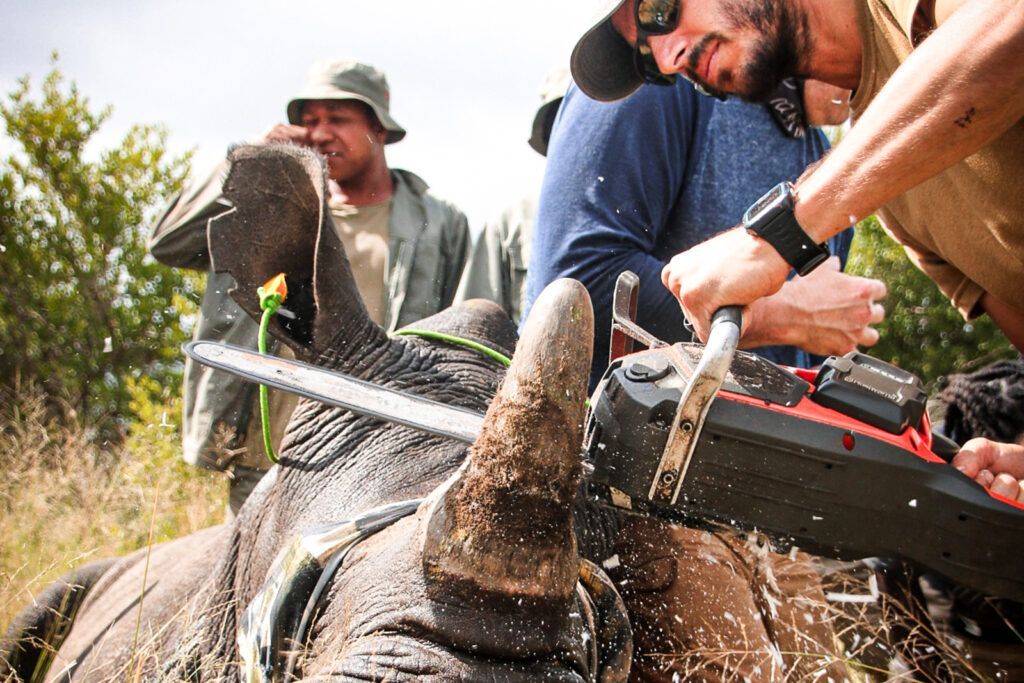
People cutting apart a large animal carcass outdoors with chainsaws and knives, splashing debris.
April 13, 2026
Ask anyone who has spent time in the Klaserie what makes it different and they'll pause before answering. Not because the answer is difficult, but because it's surprisingly hard to put into words without sounding like you're overstating it.
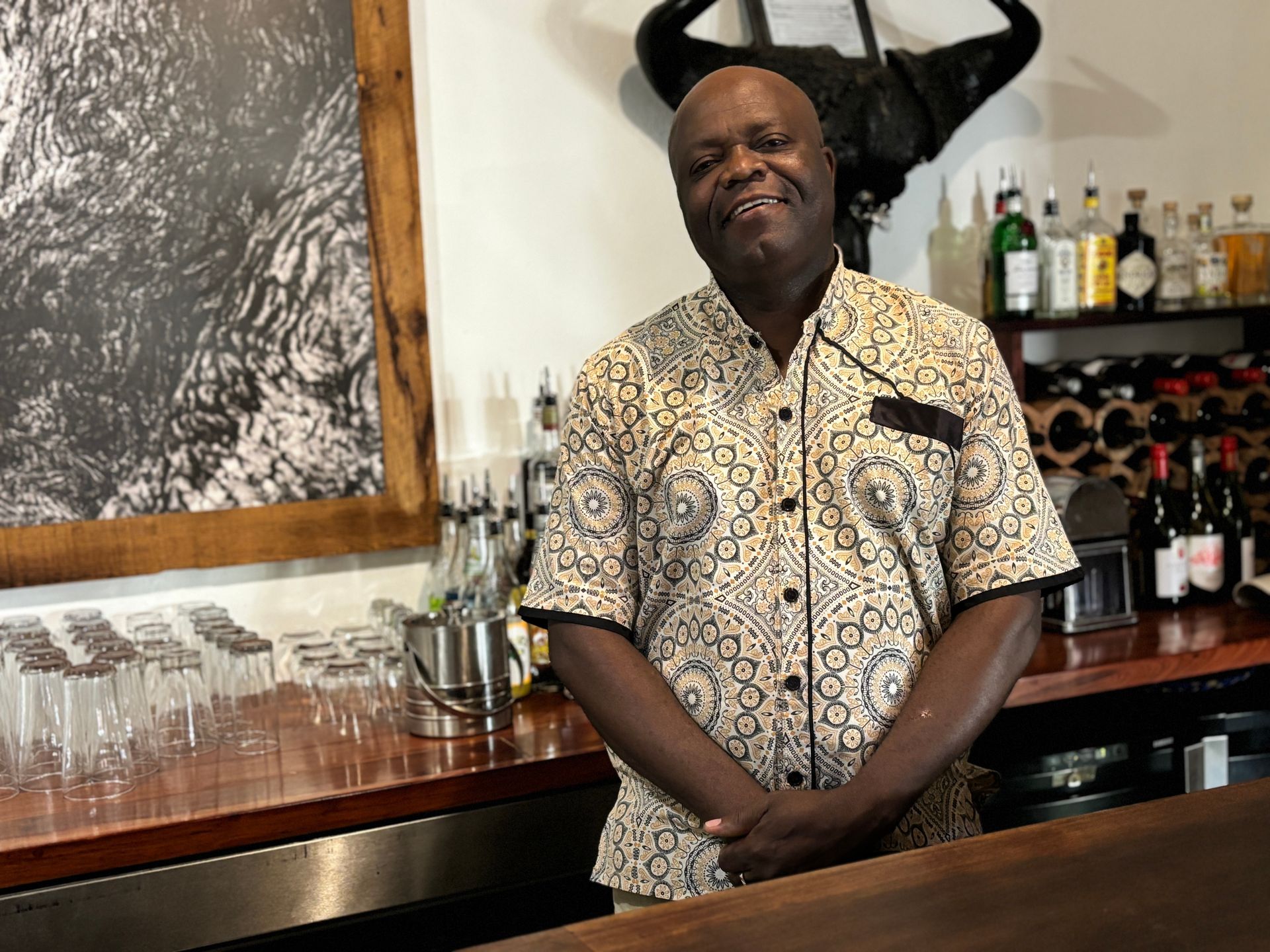
Man standing behind a bar, wearing a patterned shirt, with glasses and bottles on the shelves behind him.
March 18, 2026
From Phalaborwa to the wilderness, Harold’s journey is one of dedication, resilience, and balance. It’s a story of someone who has navigated the twists and turns of hospitality work, the challenges of running his own business, and the demands of family life.
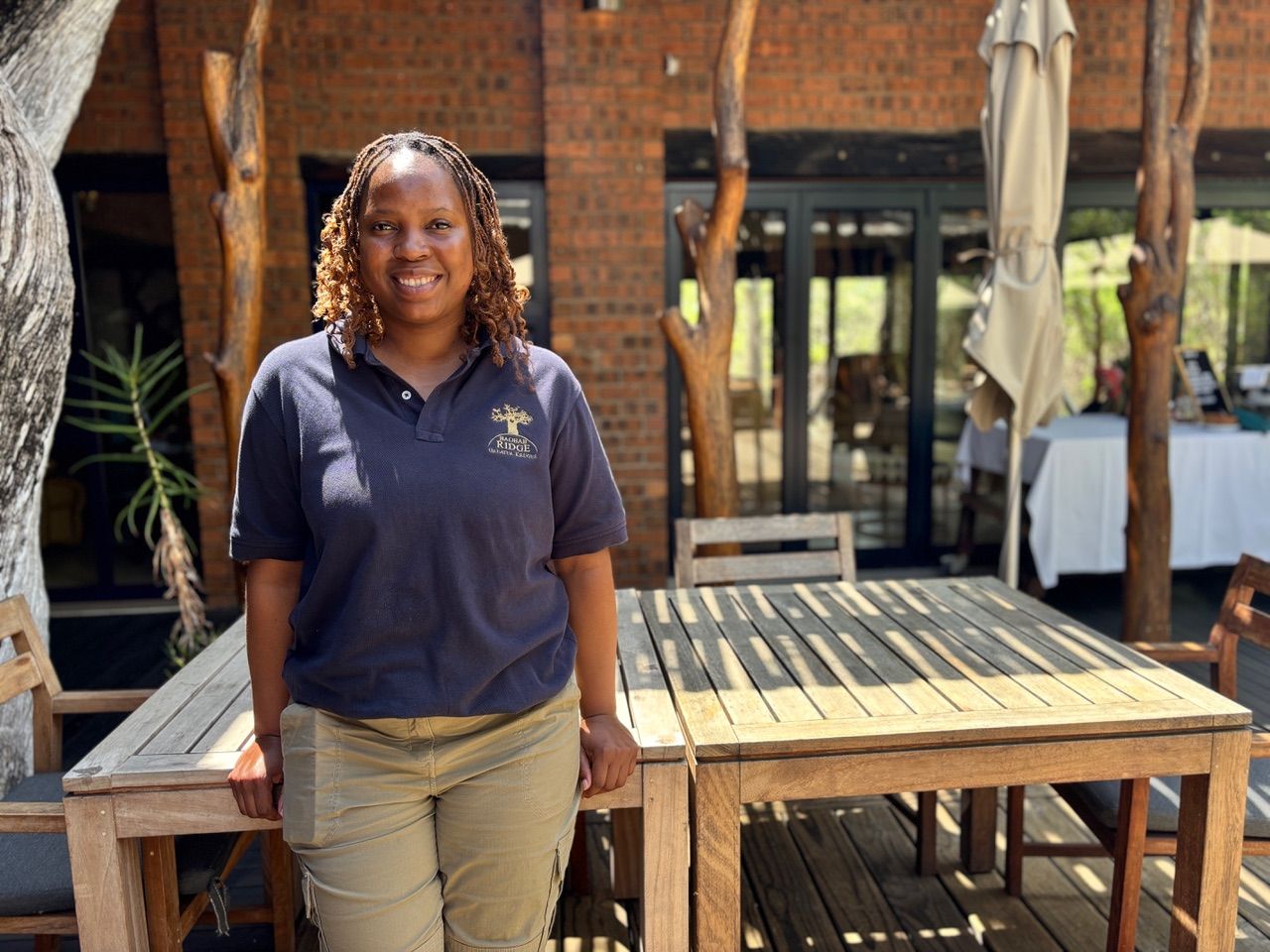
Person standing on a wooden deck beside patio tables in front of a brick building.
February 12, 2026
In the heart of the Klaserie, where wildlife roams freely and each day brings something new, Glad Magopane has found her rhythm in charge of lodge administration at Baobab Ridge. Her curiosity, resilience, and willingness to embrace the unexpected have helped her carve out a place for herself
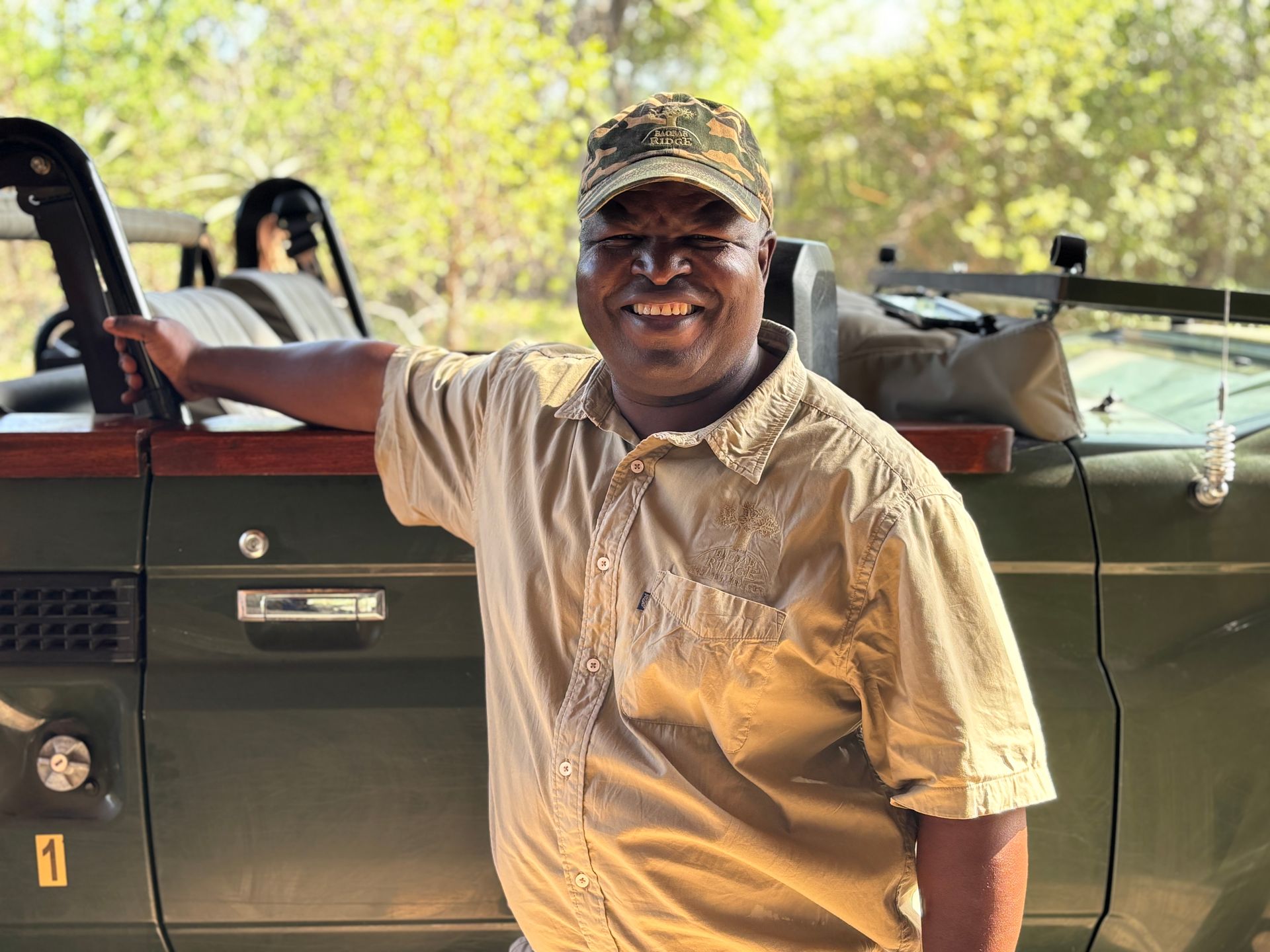
Smiling man in beige shirt and cap leaning on green safari vehicle outdoors
January 19, 2026
Some guides learn the bush through books, exams and years on the job. Others grow into it long before they ever wear a uniform or lead a game drive. For Shadrack Mathebula, guiding is not just a profession, but an extension of a life lived close to the land, shaped by memory, movement and a deep cultural understanding.
Two elephants grazing in a green savanna with trees and a distant horizon
December 3, 2025
December at Baobab Ridge is pure summer. While much of the world prepares for snow and scarves, we celebrate the festive season with long golden days, balmy evenings, glowing sunsets and the joyful chorus of birds and insects thriving in the heat.
More Posts