The birds are back!
The Klaserie's first spring migrants have arrived
Every year in the Klaserie, the winter quiet breaks in the same way, gradually and then all at once, as the first spring migrants arrive back from their travels to announce in their various ways that the seasons are turning and something wonderful is coming...
It doesn't happen overnight but rather in a slow, building procession that starts with one or two species in early September and gathers momentum through October and November and into summer, each new arrival adding another voice, another flash of colour, another layer of life to a bush that has been patient and brown and waiting.
At Baobab Ridge, we've been watching and listening carefully, and the procession has begun. Here's who's back, and why it matters.
The early arrivals
The yellow-billed kite is traditionally one of the first through the door, and this year has been no exception. An intra-African migrant that spends the southern winter further north on the continent, it drifts back into the Klaserie in early September with the unhurried ease of a bird that knows exactly where it's going and has been making this journey for a very long time. Keep an eye on the sky above open areas and you'll spot it soon enough, that distinctive forked tail setting it apart from everything else riding the thermals.
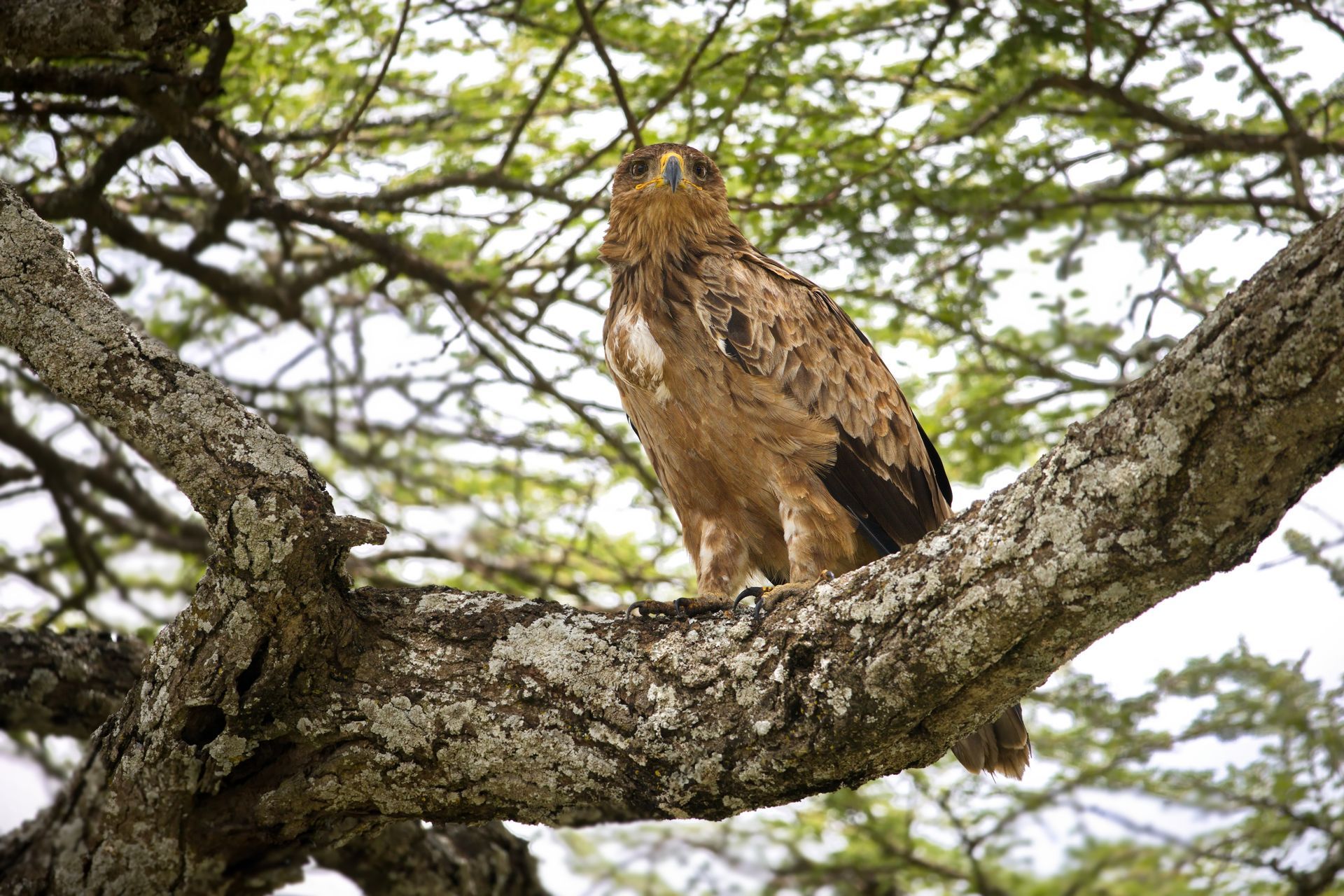
Close behind the kite comes the Wahlberg's eagle, a significantly more impressive arrival and one that signals serious business. This large, dark eagle returns to the Klaserie specifically to breed, seeking out the tall trees it favours for its nest and settling in with the quiet authority of an apex predator that has chosen this piece of the Lowveld as its seasonal home.
Wahlberg's is one of those species that rewards patience: spot a likely tree, watch it long enough, and you may find a pair that will be using that same nest site year after year with a fidelity to place that is genuinely touching in a wild creature.
The cuckoos arrive
If the kite and the eagle are the advance guard, the cuckoos are the fanfare. They arrive in number and they make themselves heard, and the bush that was quiet through winter suddenly sounds as though it has an opinion about the changing season, which in a sense it does.
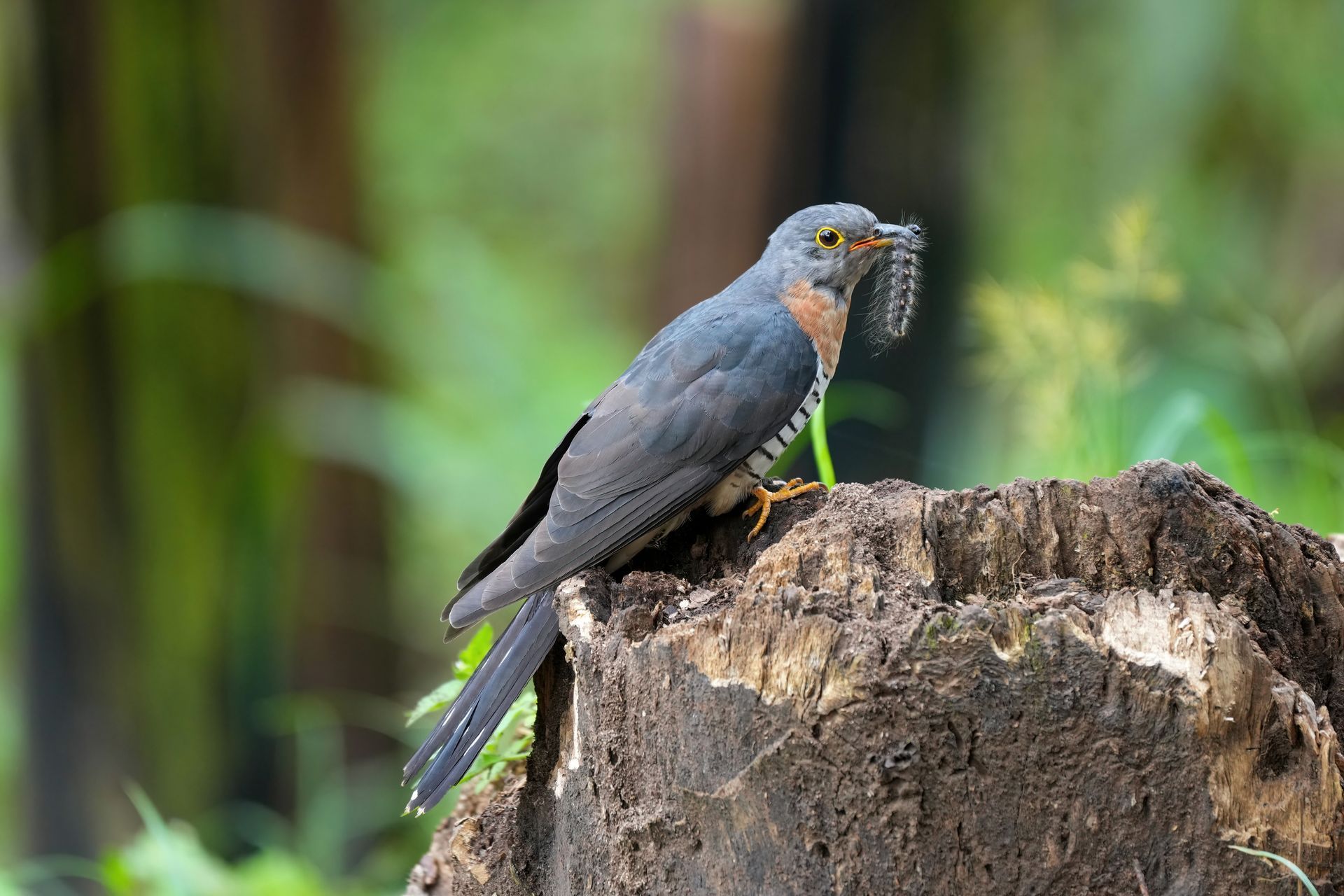
The red-chested cuckoo, known to every Afrikaans speaker and most bush veterans as the Piet-my-vrou, is among the most eagerly awaited. Its three-note call, rendered in Afrikaans as "Piet-my-vrou, Piet-my-vrou," repeated with an insistence that borders on the evangelical, is one of the great sounds of the southern African bush and one that is widely regarded as a harbinger of rain.
When the Piet-my-vrou calls, the thinking goes, the summer rains are on their way, and in a landscape as dependent on seasonal rainfall as the Klaserie, that's not a small thing. Hearing it for the first time each season produces a particular feeling that experienced bush-goers find difficult to describe but recognise immediately and completely.
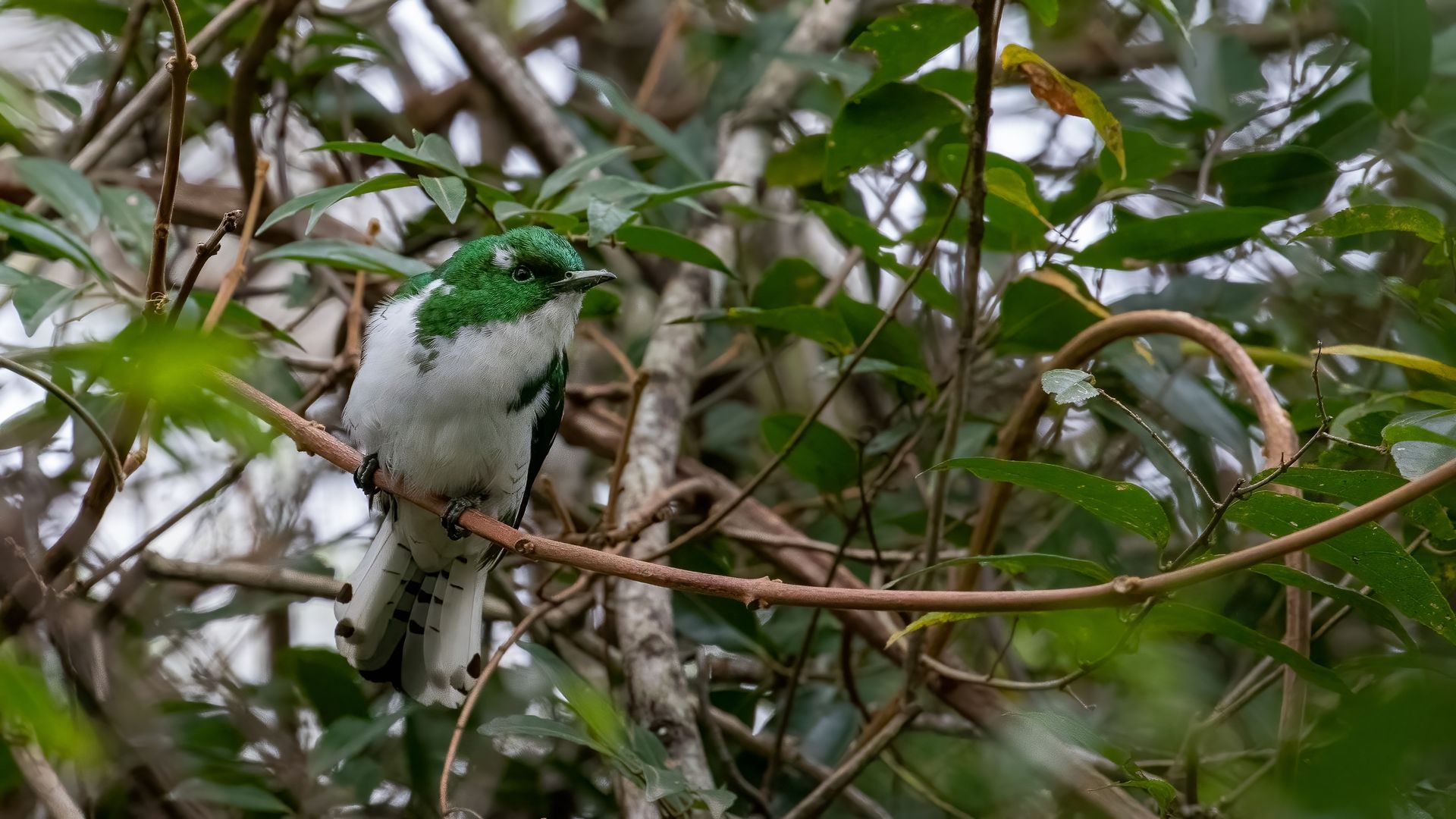
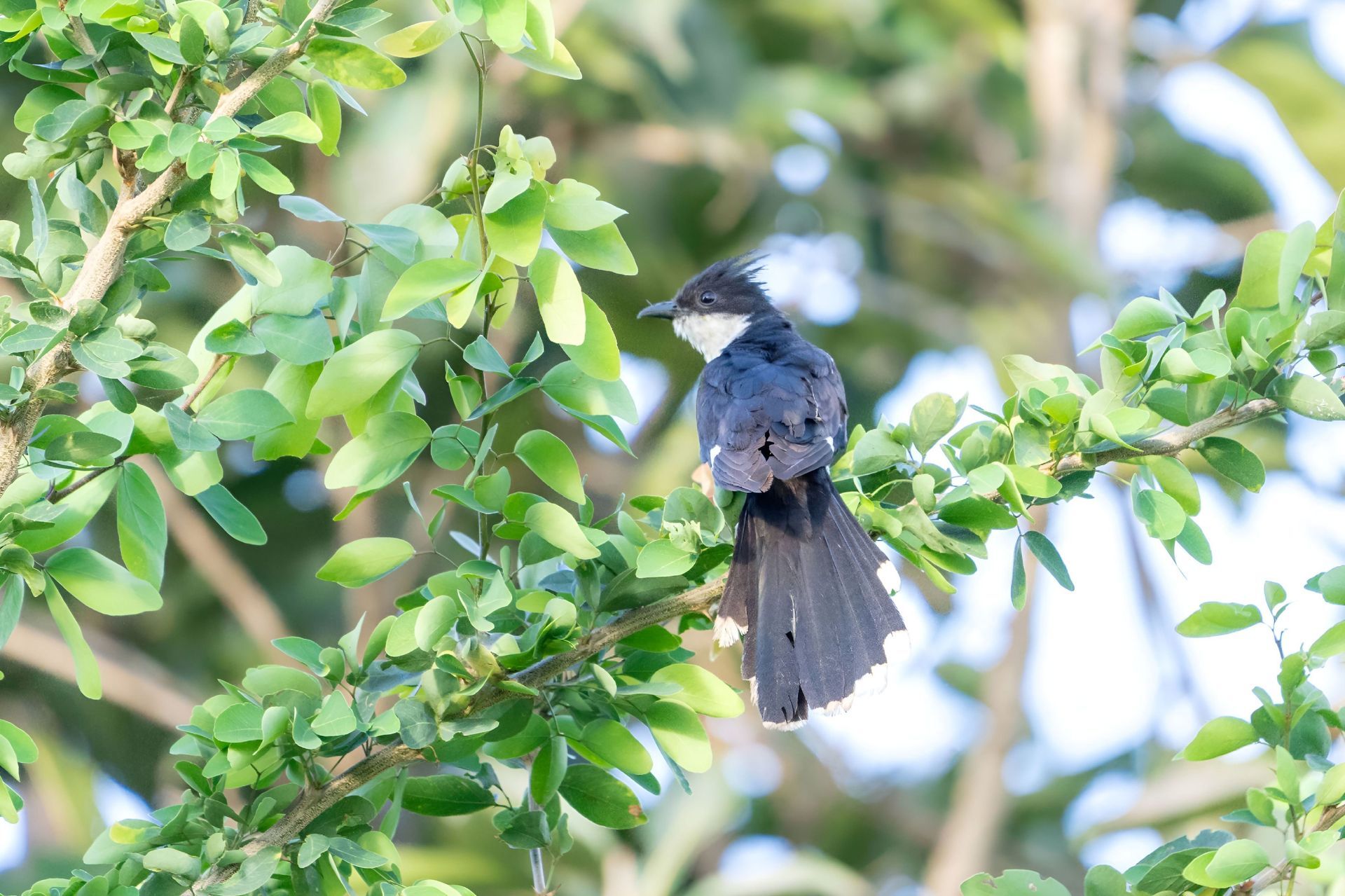
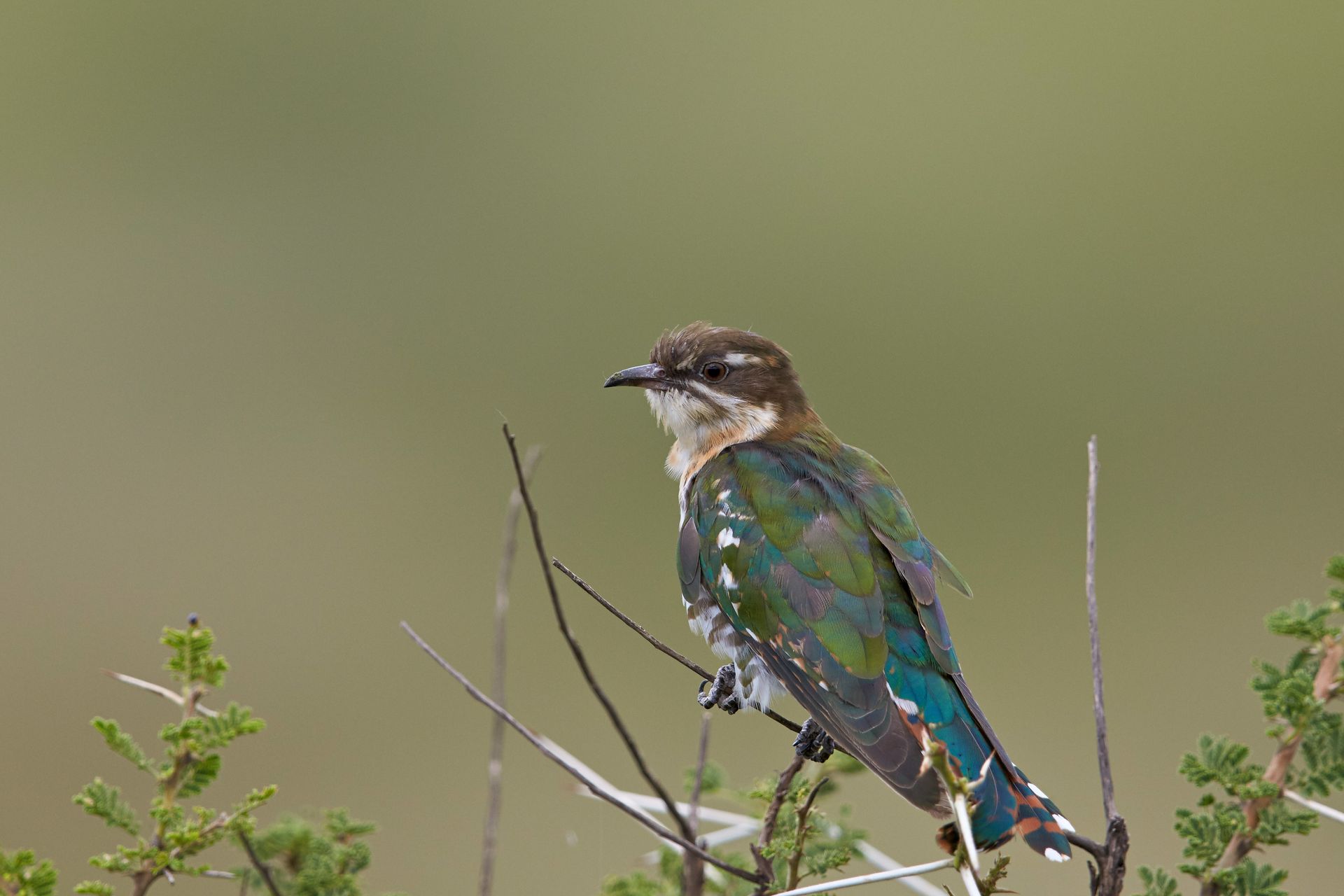
The Jacobin cuckoo arrives with similar energy, its bold black and white plumage and prominent crest making it one of the more visually striking of the group, while Klaas's cuckoo brings something altogether more subtle, a small, jewel-bright bird with an iridescent green back that is more often heard than seen and rewards the birder who slows down and listens. The dideric cuckoo rounds out the quartet with its own distinctive call after which it is named, and between them the cuckoos fill the Klaserie with a vocal intensity that makes the bush sound like a different place from the one it was a month ago.
Colourful homecomings
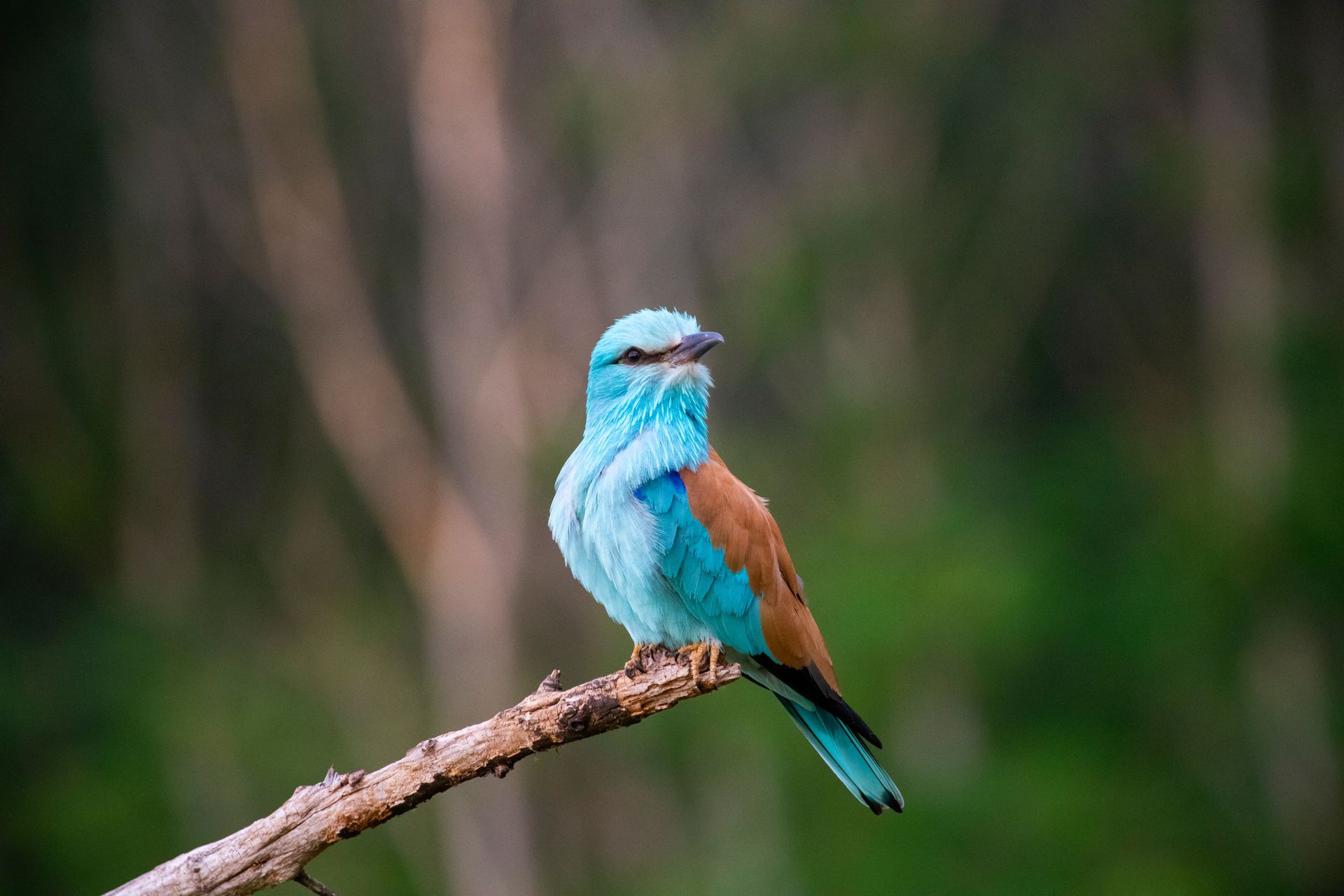
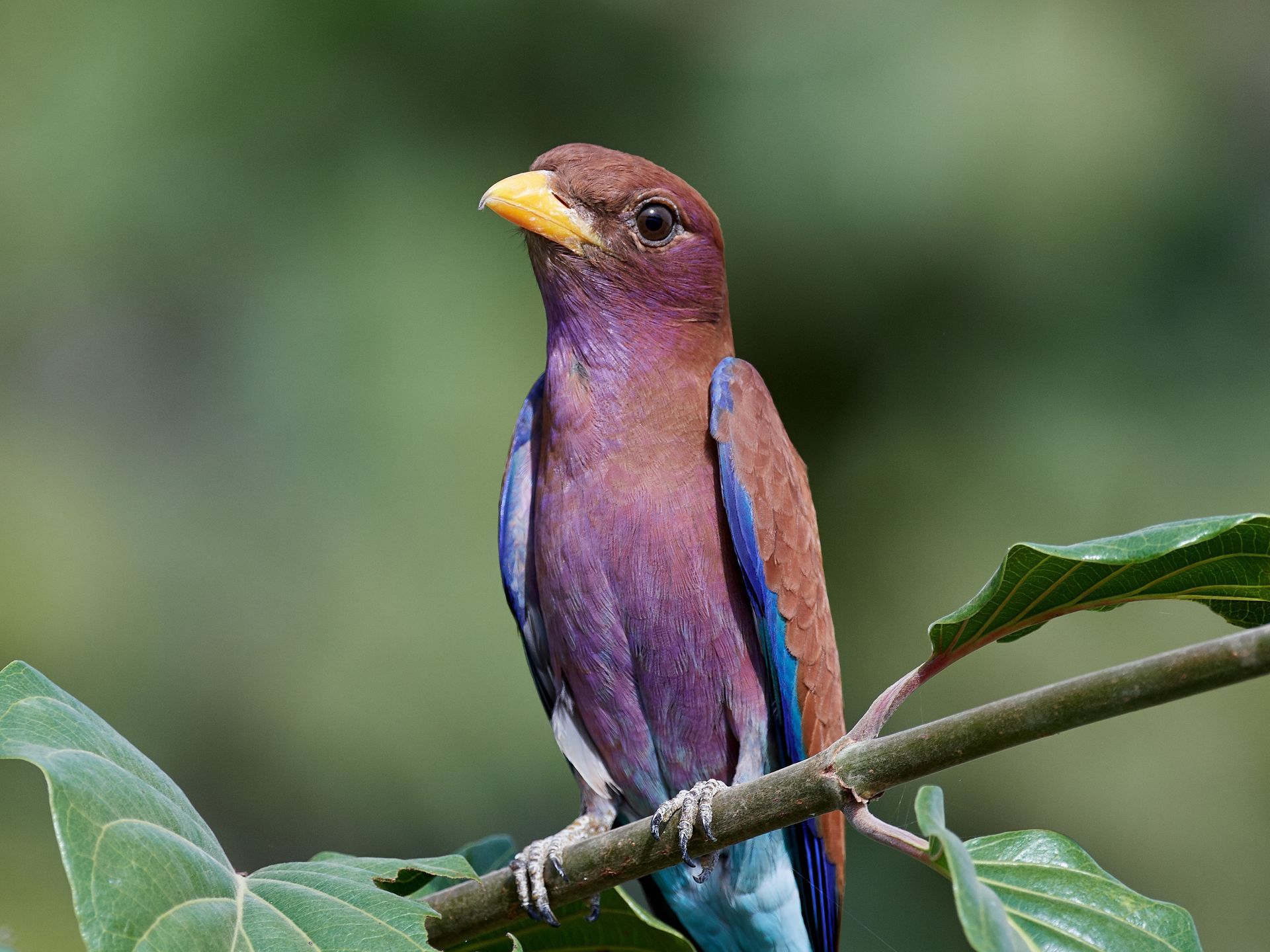
The European roller is a welcome returnee, a solidly built, blue-winged bird that is easier to admire for its aerial acrobatics than its colouring, hunting from exposed perches and dropping on insects with a precision that makes it entertaining to watch. The broad-billed roller is the more flamboyant of the two, its rich combination of purples, greens and cinnamon making it one of the more striking birds in the late dry season bush, and one that rewards a proper look rather than a passing glance.
Together they join the Klaserie's resident roller population, the dazzling lilac-breasted and the purple roller, and for a few weeks the reserve has more rollers in it than any reasonable person has a right to expect, which is a situation that nobody who has ever watched a roller hunt from a thornbush is going to complain about.
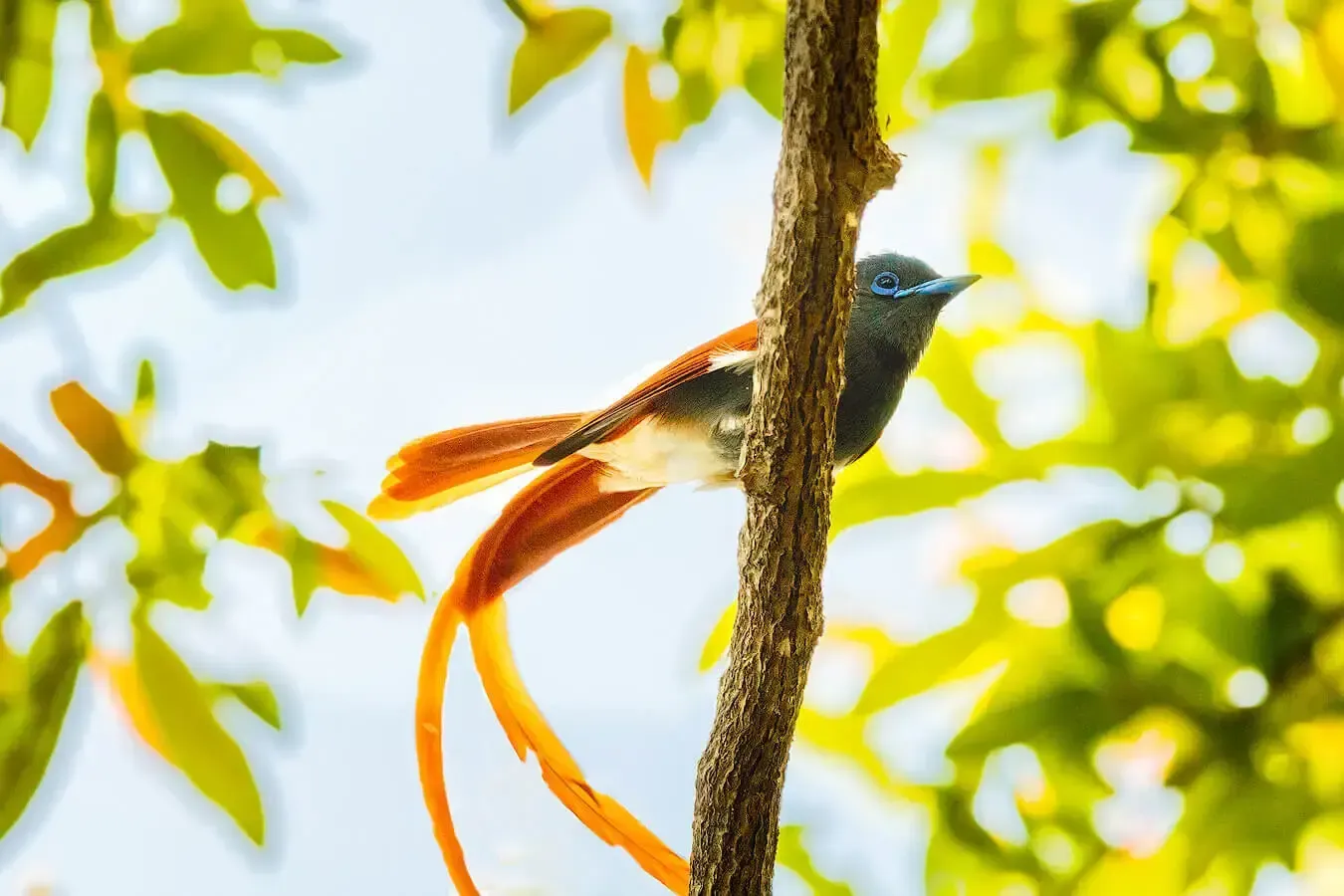
The African paradise flycatcher deserves mention, because it is genuinely one of the most beautiful birds in the Klaserie and one that guests who encounter it for the first time tend to remember for a very long time. The male, with his rusty red body, blue-grey head and the extraordinary long tail streamers that trail behind him as he flits through the riverine vegetation, is the kind of bird that makes people reach for their cameras and then lower them because the light is wrong and they don't want to miss a moment of the real thing. The females lack the tail but share the vivid colouring, and a pair moving through the trees together is a small spectacle that rewards quiet observation.
And then there's the Amur falcon
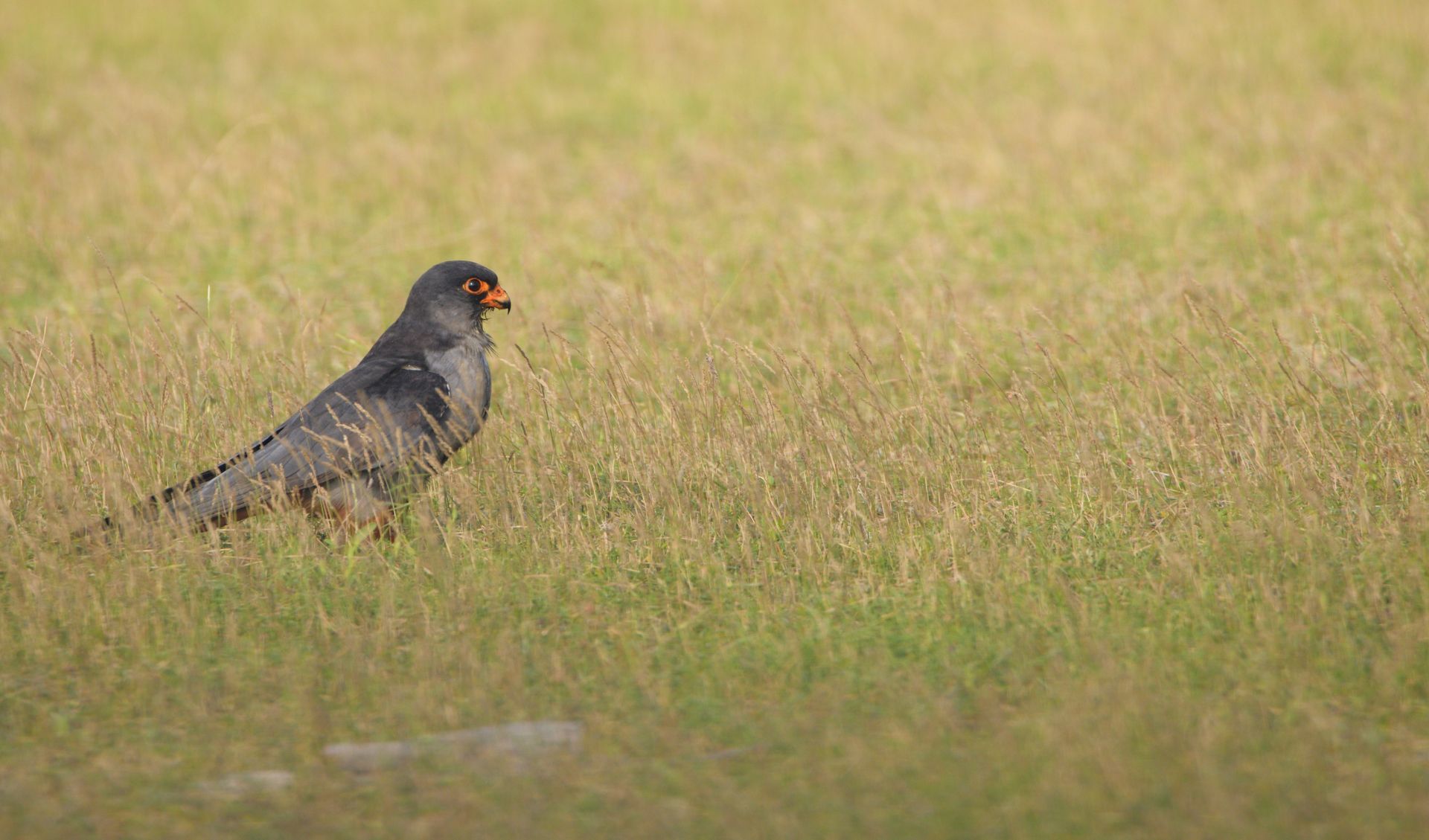
The Amur falcon deserves special mention, partly because it's extraordinary and partly because most people have never heard of it. This small raptor breeds in southeastern Russia and northern China and undertakes one of the most remarkable migrations in the bird world, crossing the Indian Ocean in a single, sustained flight before arriving in southern Africa for the summer. Weighing no more than a large banana, it makes this crossing on its own resources, without stopping, which remains one of those facts about the natural world that is simply difficult to process. When a small flock of Amur falcons appears in the Klaserie towards the end of the season, they are worth every moment of attention you give them.
A bush in transition
What the arrival of the migrants tells us, more than anything else, is that the Klaserie is moving. The brown and patient bush of winter is beginning, slowly and on its own terms, to think about what comes next. The cuckoos are calling, the eagles are prospecting for nest sites, the rollers are back on their favourite perches, and somewhere in the riverine vegetation a paradise flycatcher is trailing those improbable tail feathers through the dappled light. Summer is coming, the rains will follow, and the Klaserie is getting ready to show off all over again.
The best seat in the house for all of this, as it happens, is at Baobab Ridge.