The thirst-quencher
In the middle of winter, our waterhole earns its place
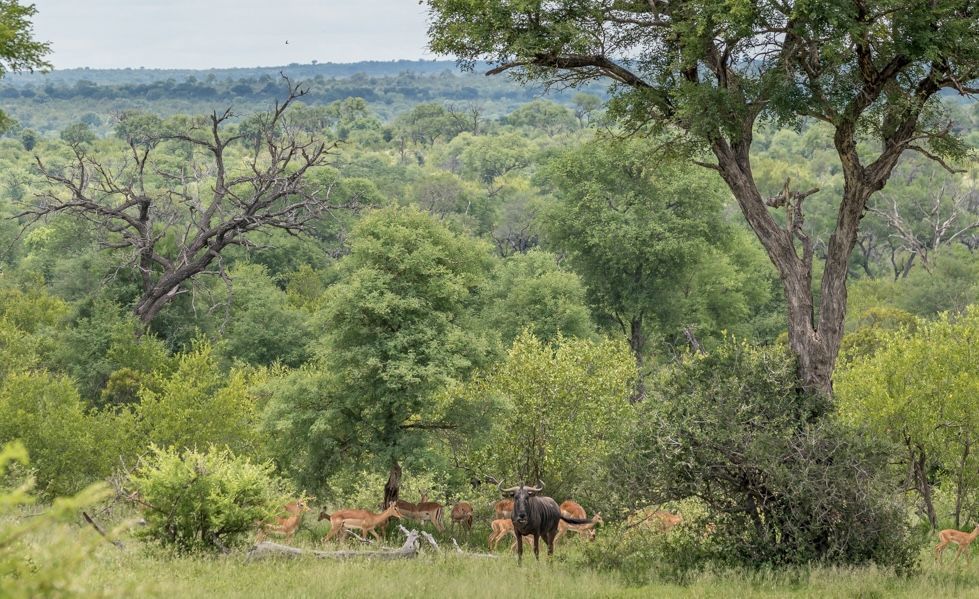
As winter reaches its zenith, the Klaserie has settled into the particular rhythm of the dry season with the ease of somewhere that's been doing this for a very long time. The grass is short and pale gold, the trees have given up enough of their leaves to open sightlines that the lush summer months render impossible, and every creature that calls this reserve home has quietly reorganised its day around one non-negotiable priority: water. At Baobab Ridge, that priority arrives just in front of the pool deck, in the form of a borehole-fed waterhole that is arguably the most compelling seat in the house right now!
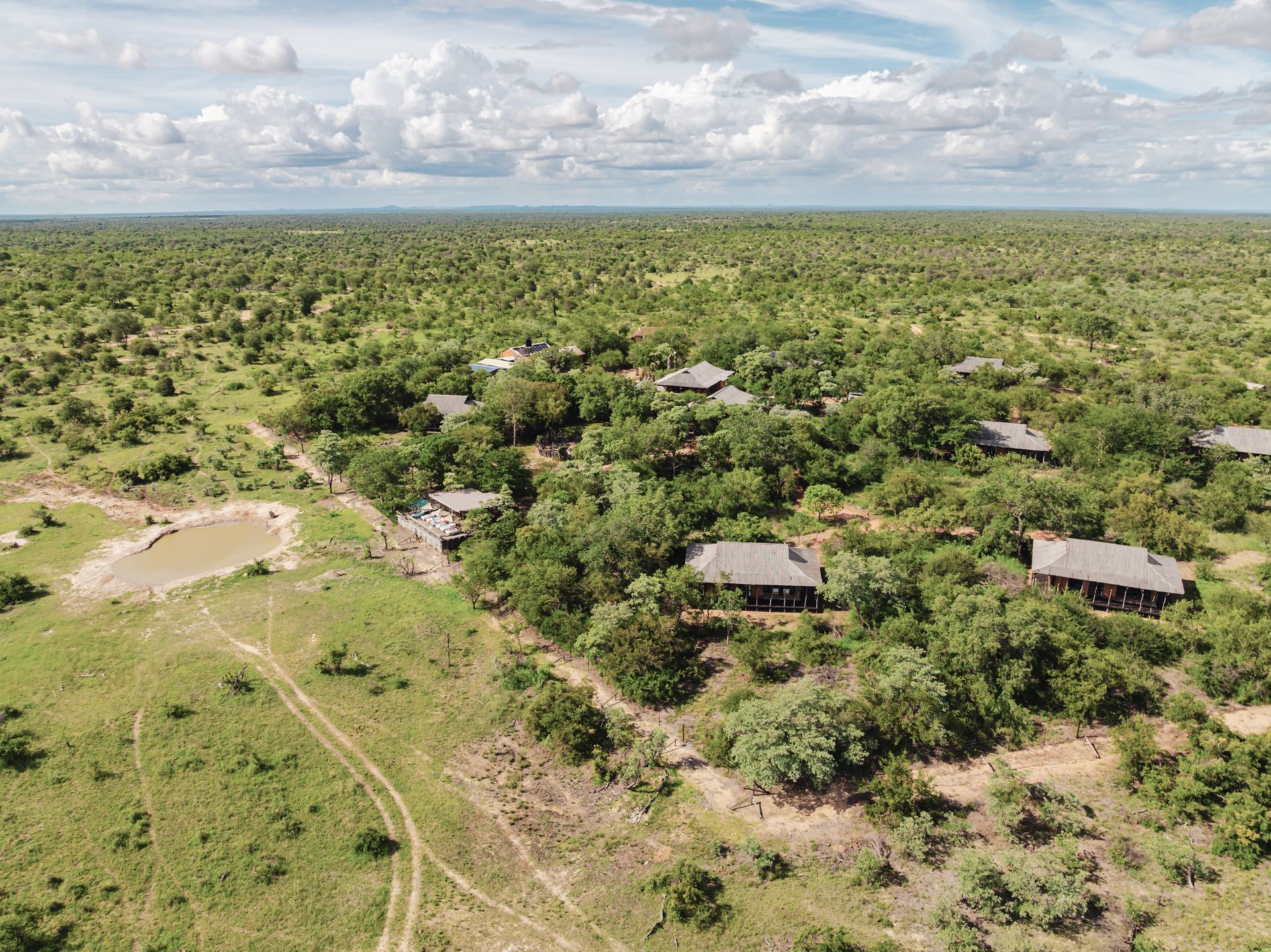
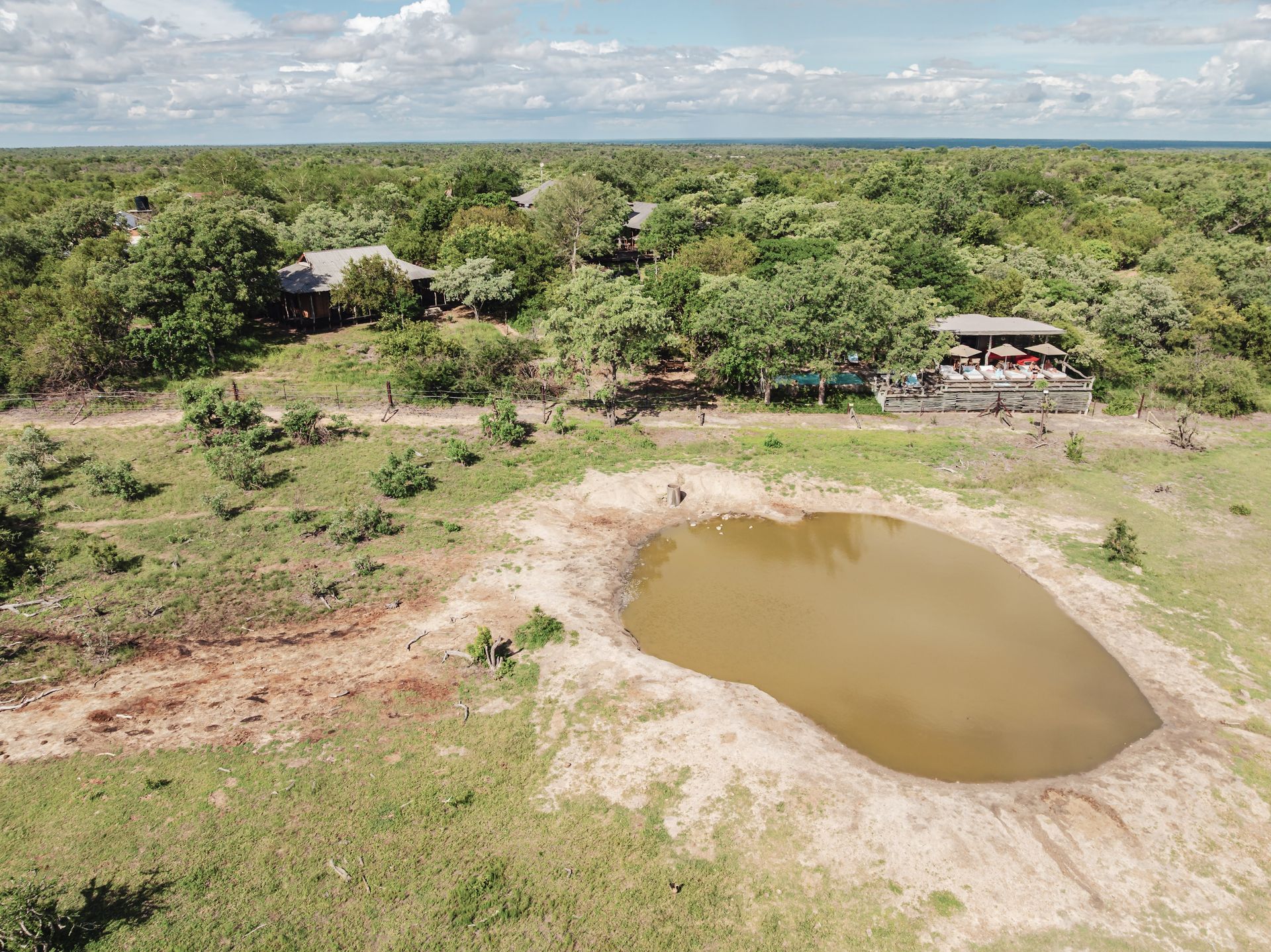
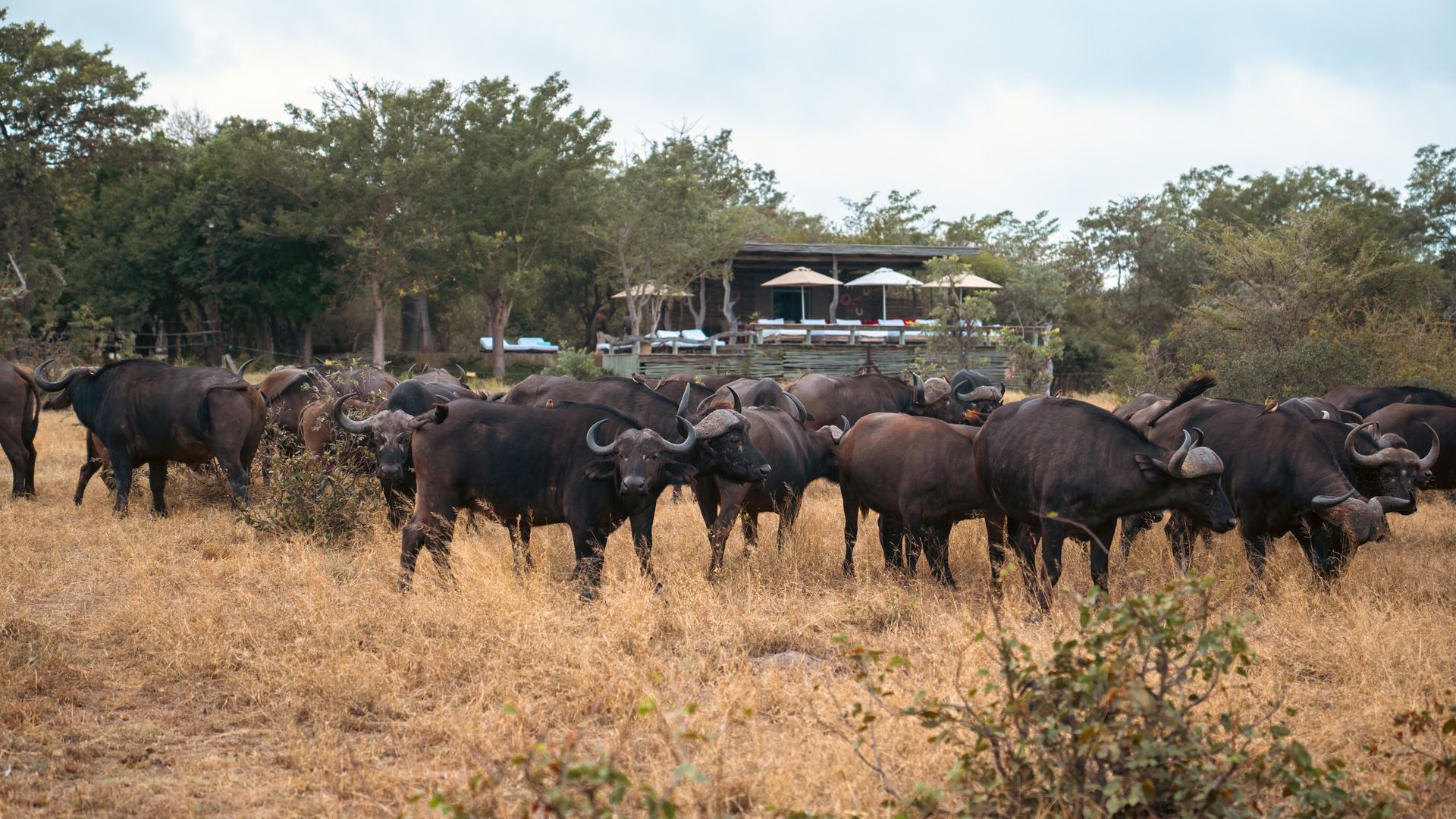
Watching a waterhole through the course of a winter's day is an education in patience that pays extraordinarily generous dividends. We don't expect our guests to be glued there, but certainly a quick check in the early mornings and taking up residence in between game drives is a good idea, as is double checking in the evenings before and after dinner.
The morning arrivals tend to be purposeful and relatively brisk, animals that have been moving since before dawn and know exactly what they've come for. As the day warms and the light hardens into that particular clean, golden intensity that only a Lowveld winter produces, the pace changes, the visits lengthen, and the waterhole takes on the quality of a village well, a place where the social and the practical intersect in ways that are endlessly, quietly fascinating to observe from a comfortable chair with something warm to drink.
The elephants arrive on their own terms and nobody argues with that arrangement. A breeding herd in full August thirst is an experience that recalibrates your sense of scale almost immediately, the matriarch assessing the waterhole and its surroundings with the unhurried authority of someone who has been making these decisions for decades, the younger animals jostling in behind her with considerably less patience, the calves treating the whole enterprise as an opportunity for maximum immersion and noise that their elders tolerate with the weary affection of parents everywhere.
They take as long as they want, drinking and spraying themselves and each other with the focused enthusiasm of animals that have found exactly what they needed, and when they finally move off, they leave the waterhole to whatever comes next with the unhurried confidence of animals that know they can come back whenever they like.
The impala are there on and off throughout the day in a shifting, nervous rotation, drinking quickly and lifting their heads between every sip with the vigilance of animals that are aware, at all times, of exactly where they sit in the Klaserie's hierarchy of consequence. Warthogs arrive and lower themselves onto their knees to drink in the particular way that warthogs do, an anatomical arrangement that never quite loses its comedy however many times you witness it.
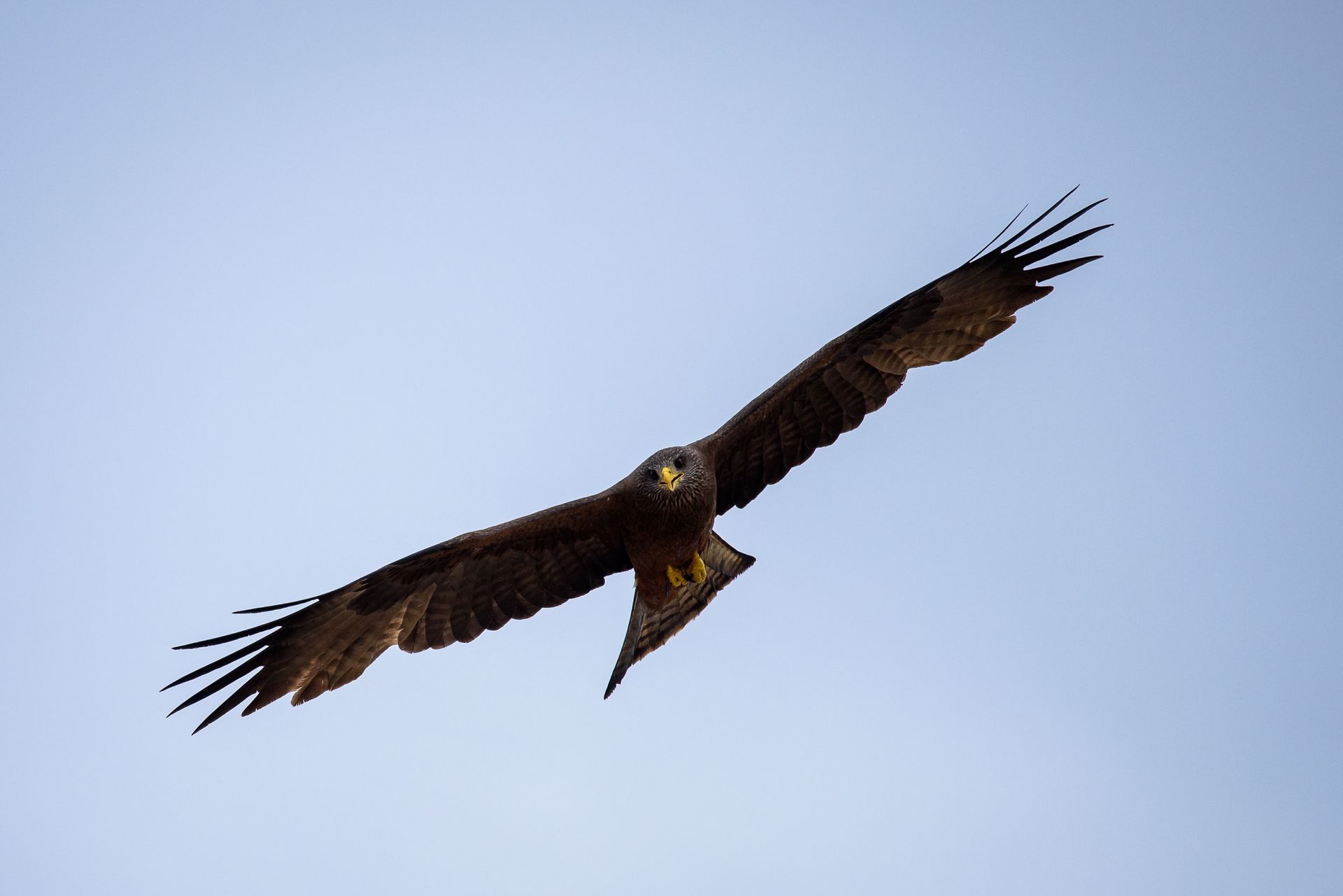
Giraffe approach the water with the careful, wide-legged caution that their extraordinary proportions demand, lowering their front legs in a slow, considered movement that looks structurally improbable and apparently functions perfectly well, and drinking with a sideways elegance that makes the whole performance worth watching from beginning to end. The birdlife provides a continuous, vocal backdrop throughout all of this.
As the afternoon light begins its long lean towards evening and the temperature drops with a speed that invariably catches first-time visitors off guard, the waterhole changes its character in ways that reward those guests who've had the good sense to stay in their chairs. The daytime regulars drift away into the cooling bush and a different quality of quiet settles over the waterhole, the watchful, held-breath stillness that experienced safari hands recognise as the Klaserie's way of signalling that the evening shift is about to begin.
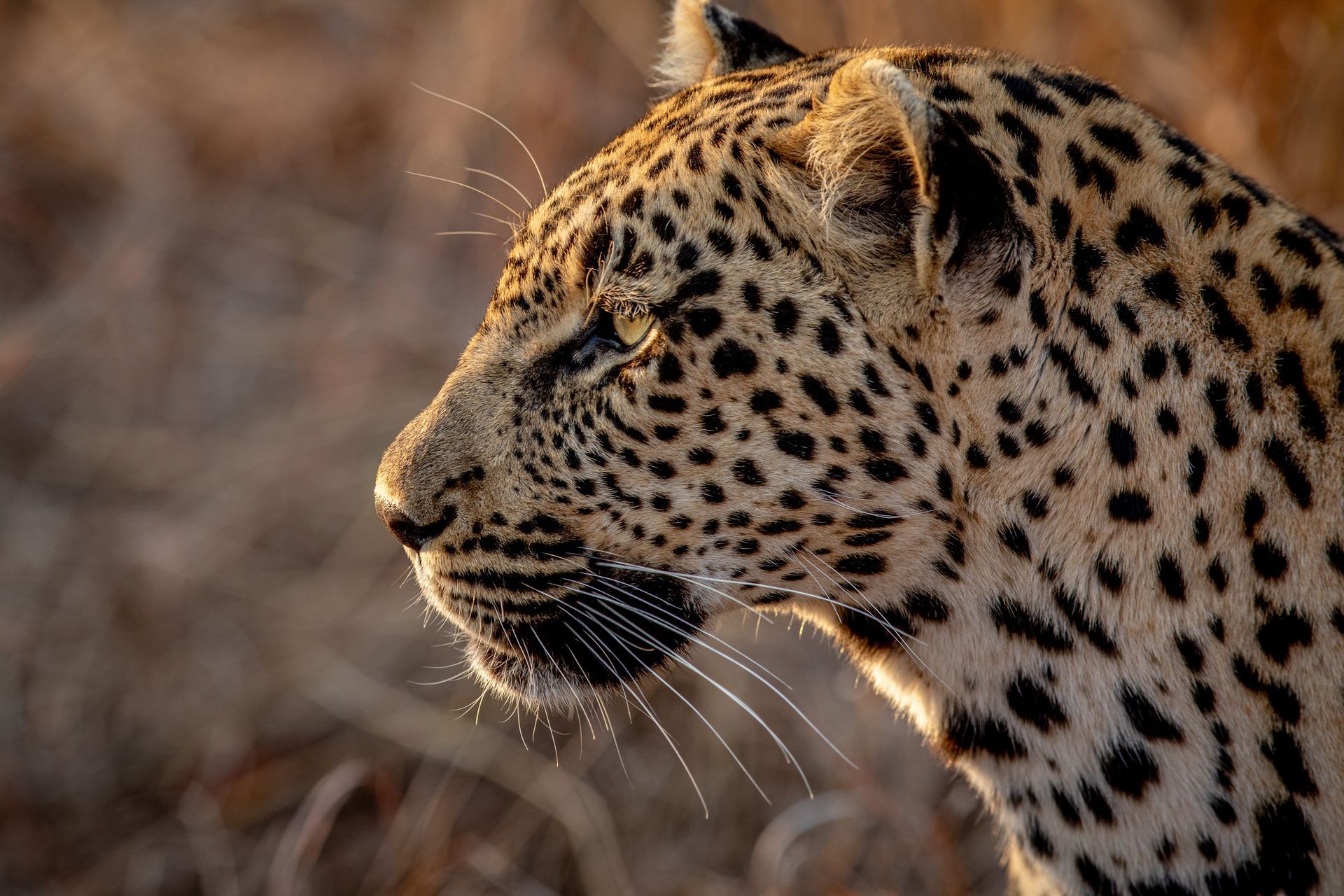
It's in this transitional hour, when the day is handing over to the night and the waterhole sits still and silver in the last of the light, that the bush reveals crepuscular visitors who often prefer to stay hidden such as lions and leopards.
Above all of this, quite literally, the August night sky deserves a mention of its own. The Klaserie in the dry season, with its cold, clear, entirely unpolluted air, produces a Milky Way that stops conversations mid-sentence and makes people from cities feel briefly and pleasantly small in the best possible way. It's not a faint smudge on the horizon but a structure, luminous and dense and present in a way that most guests have genuinely never encountered before, and the waterhole below it, dark and still and catching whatever light the moon has decided to contribute, completes a scene that no photograph has ever done adequate justice to, though it's worth trying anyway.
By the end of August, the bush begins to offer the first tentative suggestions that winter isn't entirely permanent. A wash of new green at the tips of certain trees, a restlessness in the birdlife that speaks of territories being considered and nests being planned, a barely perceptible softening in the quality of the late afternoon light.
The Klaserie isn't ready to let go of winter yet, but it's beginning to think about what comes next, and for guests who've spent their days at the waterhole and their evenings under those extraordinary stars, the thought of the coming season feels less like an ending than a very compelling reason to book another visit.