Let elephants be elephants
Are there "too many" elephants? We don't think so...
Few topics in southern African conservation generate more heat, more noise and more firmly entrenched positions than the question of elephants. How many are too many, who gets to decide, and what happens when a species that shaped this landscape for millions of years becomes inconvenient to the way humans have chosen to manage it? These are not simple questions but here we try to answer a few of them...
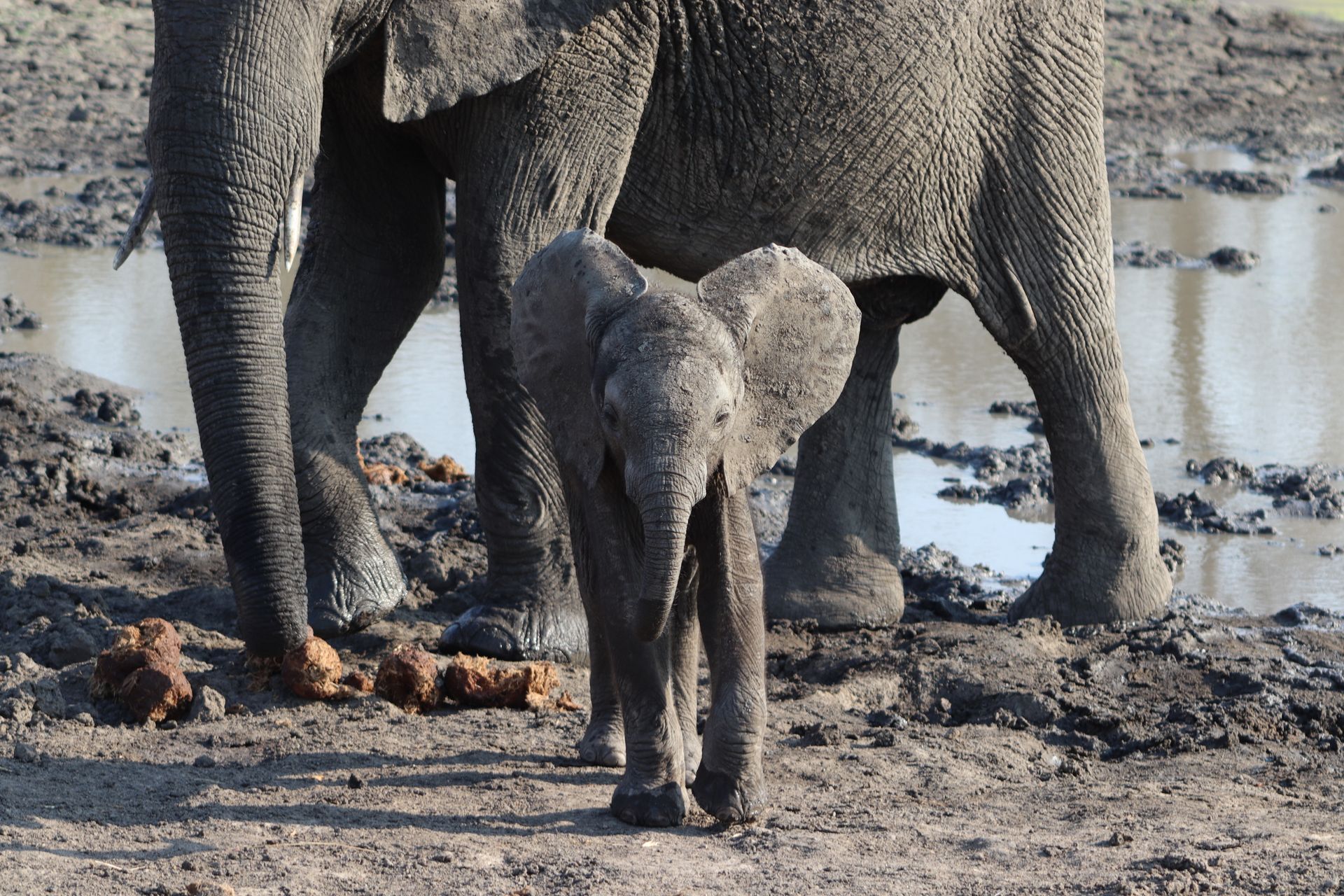
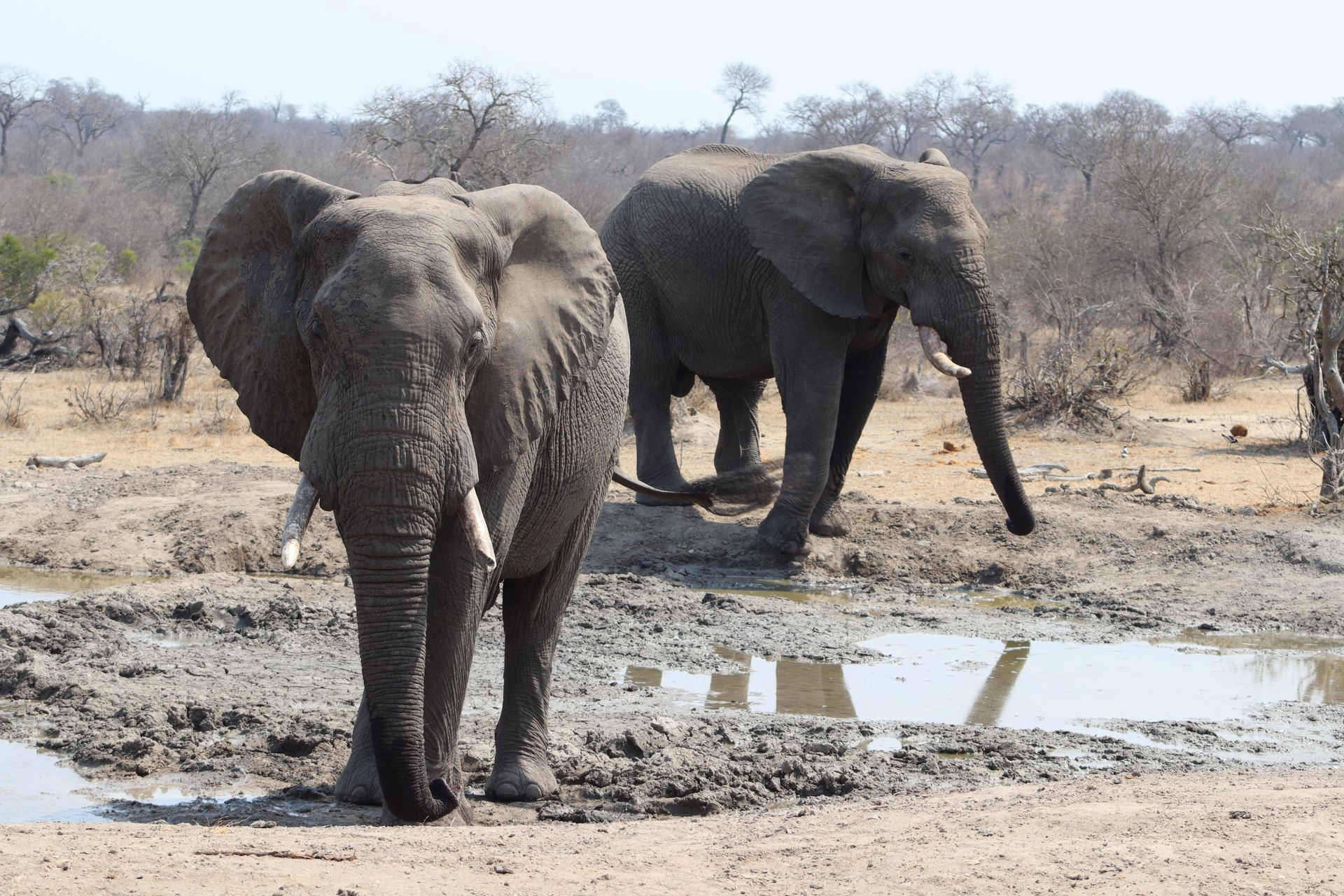
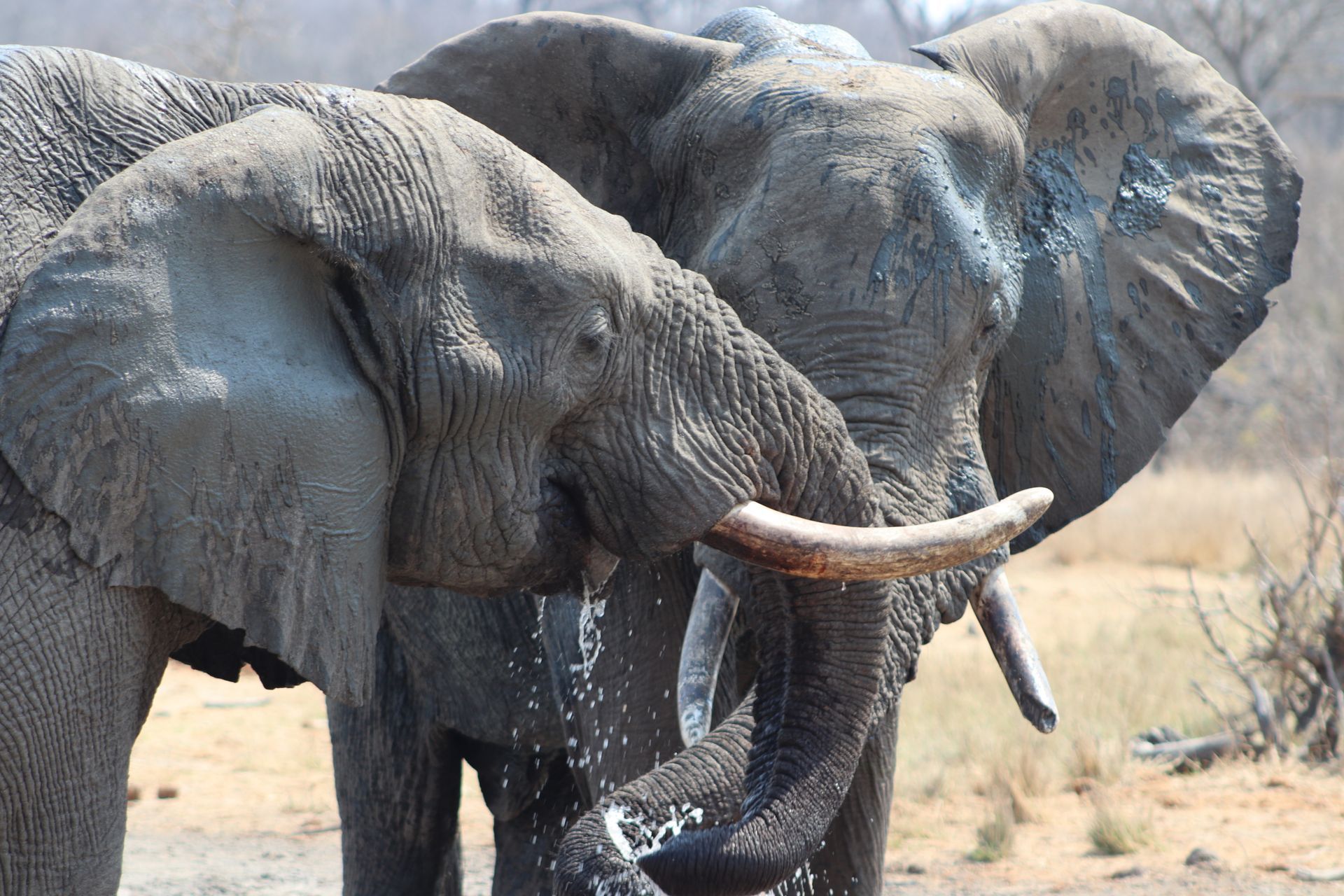
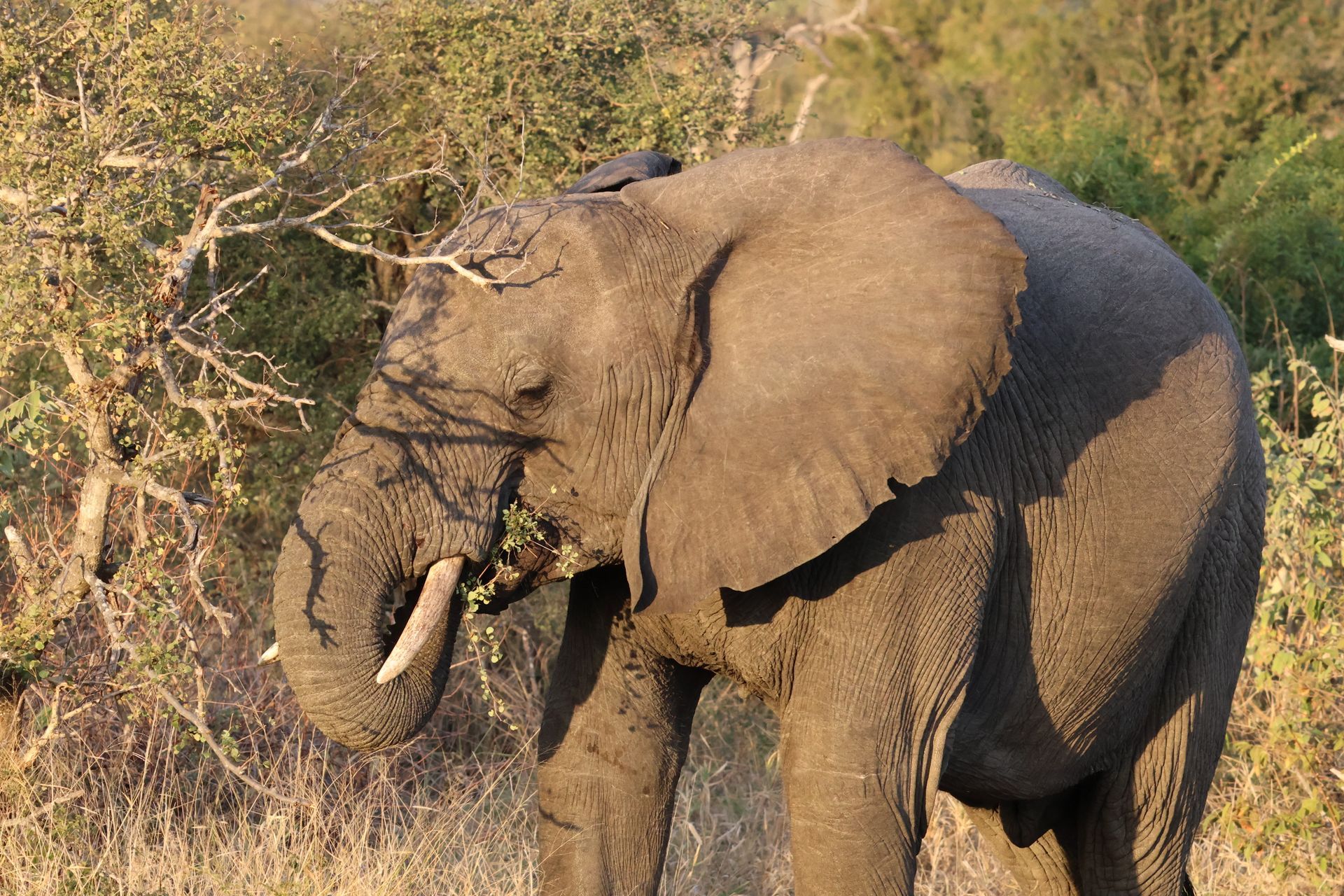
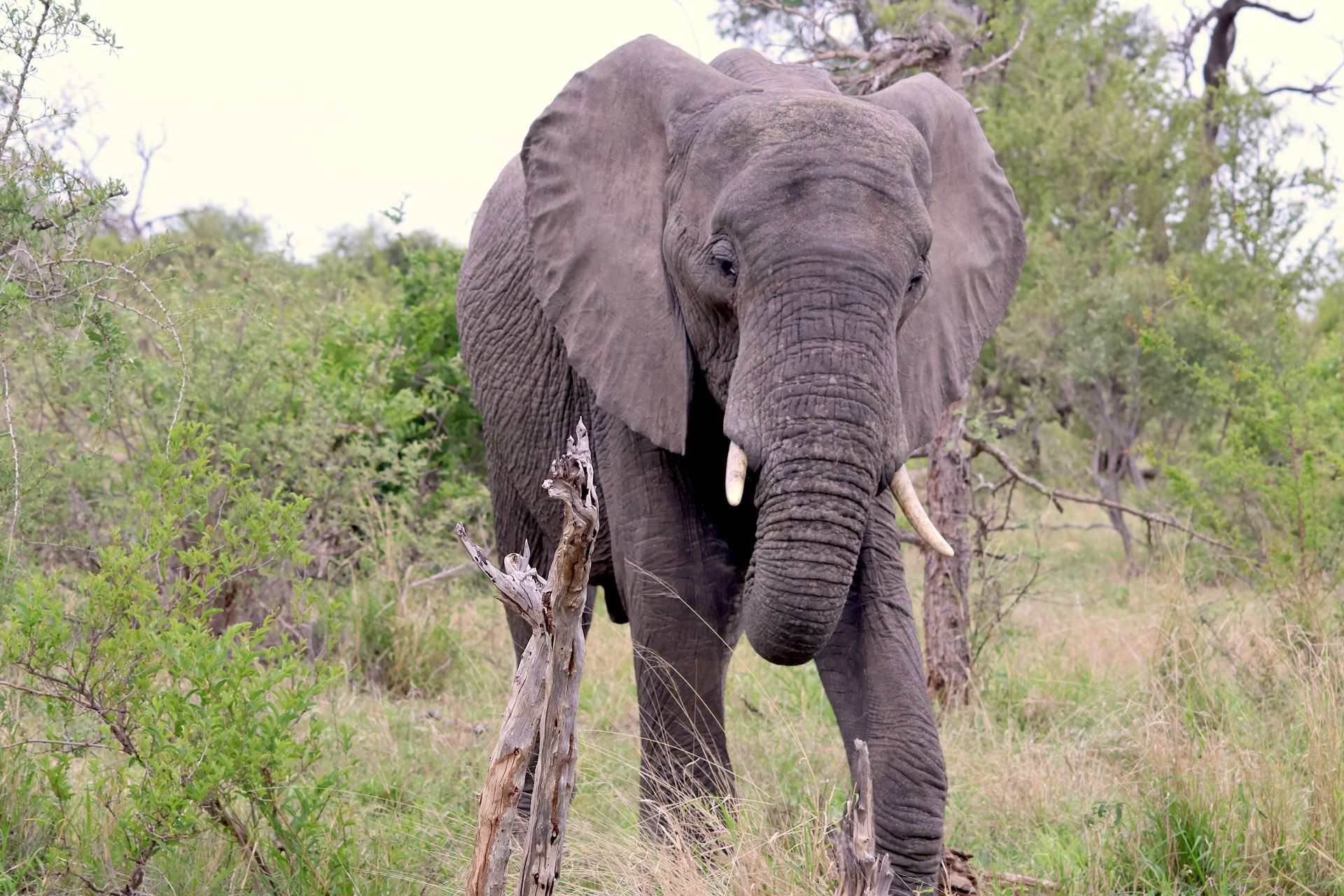
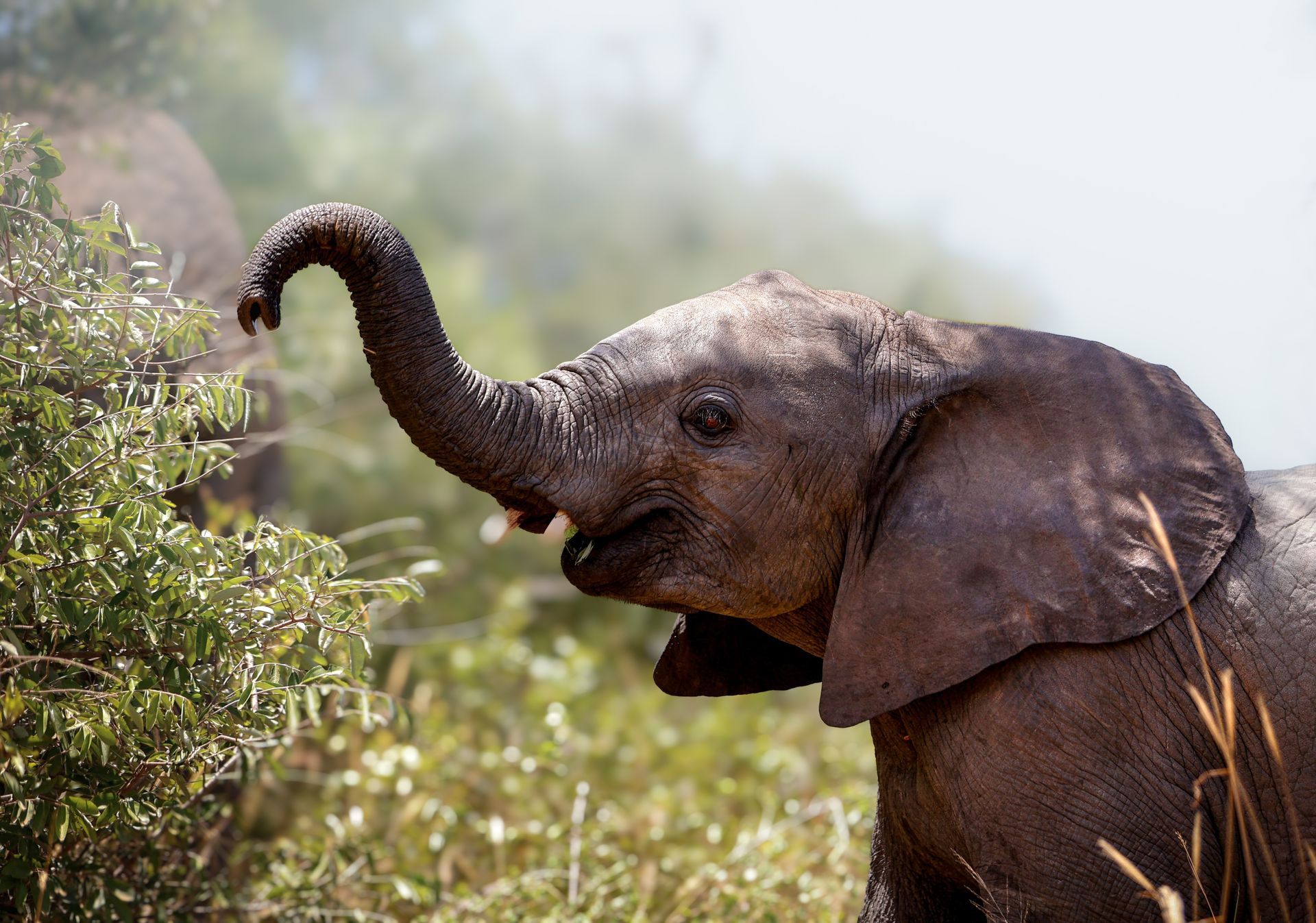
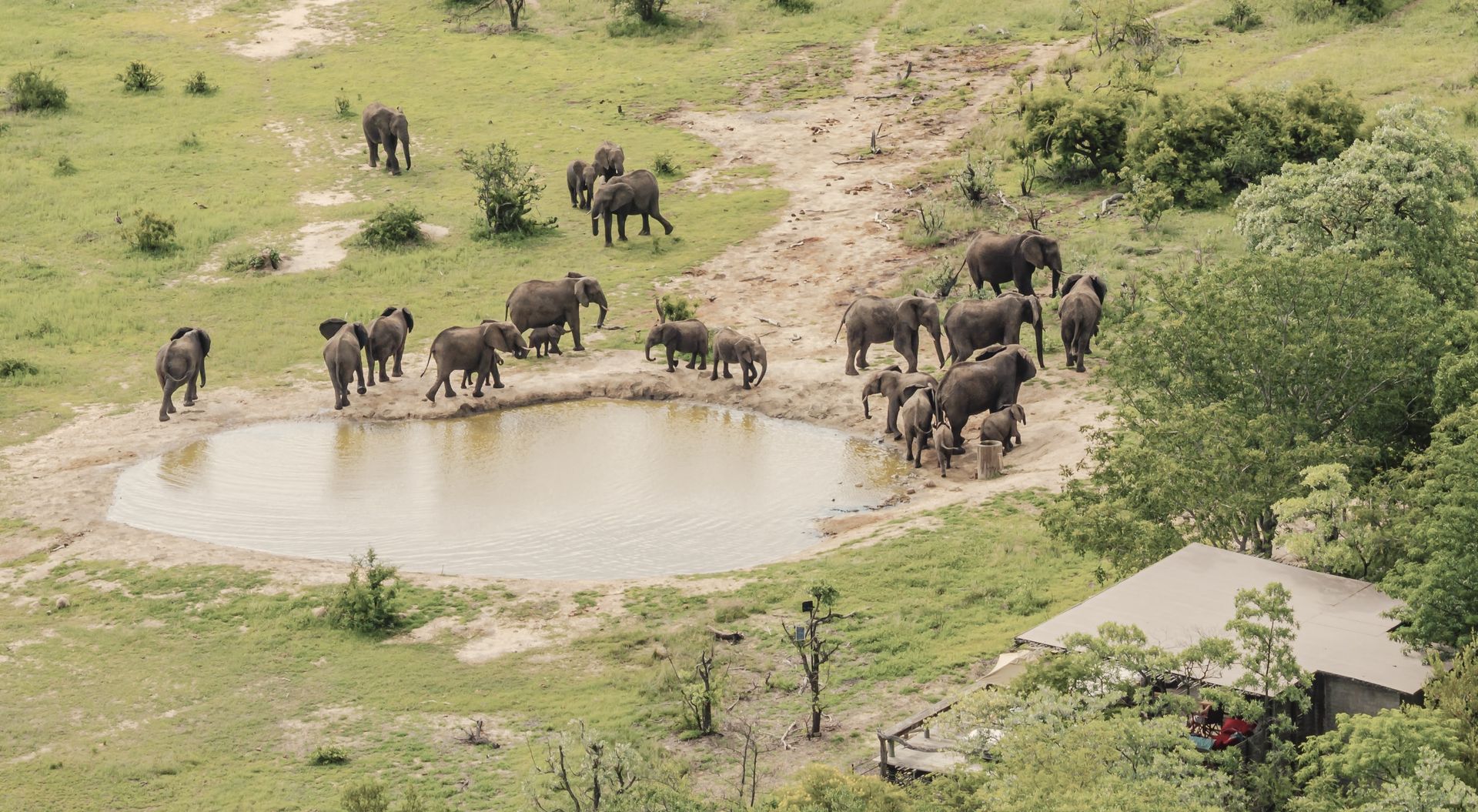
At Baobab Ridge, we share our corner of the Klaserie with elephants every day. We watch them arrive at the waterhole, raise their calves, navigate their complex social worlds, and do what elephants have always done in this landscape. We don't pretend to have all the answers to the management debate, but we do have a view, and it starts with this: before we decide what to do about elephants, we'd do well to understand what they actually are.
The argument that won't go away
The call to reduce elephant numbers in southern Africa has been growing louder. The argument, broadly stated, is that elephant populations in the protected areas of southern Africa have grown to a point where they are damaging the ecosystem, specifically the large trees that define the savannah landscape, and that something must be done.
The pressure on certain tree species is real and documented, and the debate is not invented. But it is also not as straightforward as its loudest voices suggest.
What elephants actually do
Elephants play a crucial role as ecosystem engineers, and the perspective that they should merely be seen as detrimental to trees misunderstands their ecological function entirely. They open landscapes, create habitat for other species, disperse seeds across vast distances, dig for water in dry riverbeds that other animals then use, and maintain the kind of dynamic, shifting mosaic of vegetation that a healthy savannah requires.
The cleared areas around pushed-over trees are not destruction: they're habitat creation for the grass-dependent species that couldn't survive in dense bush. The Klaserie that existed before elephants returned in any numbers was not a more balanced ecosystem. It was an ecosystem missing one of its most important architects.
Research by Dr Michelle Henley and Robin Cook found that maintaining elephant numbers at a predetermined carrying capacity level does not prevent the loss of large trees, and that the factors determining large tree mortality and distribution are complex and multifactorial. In other words, the idea that you can set a number, stick to it and thereby save the trees, the premise underlying most culling proposals, is not supported by the science.
As Dr Sam Ferreira of the Kruger Park has argued, reducing the complex ecosystem around us to manage stocking rates and carrying capacity is better suited to enhancing productivity in an agricultural setting than to preserving a dynamic, biodiverse ecosystem. The bush is not a farm, and managing it like one produces predictable results.
The meta-population reality
Here is a piece of the puzzle that rarely receives the attention it deserves. Elephants don't recognise the boundaries that humans have drawn around reserves, national parks and international borders. The elephants of the Greater Kruger ecosystem are the same elephants as those of Botswana, Zimbabwe and Zambia: they move between these landscapes fluidly and seasonally, following water, following food, following ancient paths that predate every fence we have ever built. What we see at a waterhole in the Klaserie on a given morning may have been drinking from north of the Limpopo the previous week. To talk about a local elephant population as though it were a fixed and self-contained thing is to misunderstand the animal's fundamental ecology.
What the concentration debate actually reveals is something more uncomfortable. The Associated Private Nature Reserves (APNR), which includes the Klaserie, maintains a considerably higher density of artificial waterholes than Kruger National Park, which means elephants are drawn to spend more time concentrated in smaller areas than they would naturally. The tree damage that results is not simply a consequence of too many elephants: it is, in significant part, a consequence of elephants being drawn to and held in one place by an abundance of artificial water that were put there, largely to improve the quality of game viewing for tourists.
We created the concentration, and there are now voices proposing to kill elephants because of it. Researchers have suggested that rotational waterhole closures might reduce tree damage while maintaining wildlife sightings, which is a considerably less dramatic intervention than culling and one that addresses the actual cause rather than its symptom.
At Baobab Ridge we’ve always taken a deliberately light hand with water. The only water we pump is the small waterhole in front of the lodge, and we pump it only when it’s needed. Every other dam on the property fills naturally with the summer rains and is left to run dry through the winter and in times of drought, as it would without us.
When those dams empty, the elephants move on in search of water elsewhere in the greater landscape, following the same seasonal rhythm that has carried them across this part of Africa for millennia, and the vegetation around the dams gets a chance to rest and recover before the rains return.
Why culling is not a solution
The science on culling elephants has become increasingly clear, and it does not support the practice as an effective long-term management tool. A major study led by Dr Lucy Bates from the University of Portsmouth, drawing on 95 peer-reviewed studies, found that human-caused disturbances, especially poaching and culling, have a profound impact on elephant social networks, and that the social transmission that binds elephant societies together is broken down when those networks are disrupted.
Elephant families are not interchangeable units that can be reduced in number without consequence. They are complex, multigenerational societies built around the knowledge and leadership of experienced matriarchs, and that knowledge, accumulated over decades of navigating this specific landscape, cannot be replaced or transferred.
Without the ability to learn from older leaders, young elephants suffer a profound loss of social knowledge that affects their ability to make informed decisions, a deficit that impacts their overall social behaviour for decades. The young elephants that survive a cull don't simply carry on. They carry trauma, and they pass the consequences of that trauma on to the next generation.
We've seen this before, most notably in the aftermath of Kruger's culling programme between 1967 and 1994, which resulted in a generation of behaviourally disrupted young bulls and a great deal of belated scientific regret.
Research has also established that culling an elephant herd disrupts the survivors' social skills in ways that persist for years, leaving suddenly young herds without the matriarchal guidance on which their decision-making, safety responses and social cohesion depend. A lone elephant is not simply a dead elephant minus one: it is an animal that has been severed from the social framework that makes it function.
The question we should be asking
The elephant debate in southern Africa tends to be framed as a question of numbers: how many is too many, and what do we do when we reach that number? But the more honest question is how we got here, and what our role in it has been. Elephant habitat across the continent has been reduced, fragmented and fenced off by human expansion over the past century. The animals that once moved freely across vast seasonal ranges as part of a continuous meta-population are now increasingly compressed into protected areas that were never designed to absorb that pressure on their own. The pressure they put on trees and water is, in large part, a function of the pressure we have put on them.
Elephants have been doing what elephants do in this landscape for far longer than we've been watching them. They push over trees to access bark and roots, and those fallen trees provide habitat for a cascade of other species. They dig in dry riverbeds and create water sources for animals that can't dig for themselves. They move through the bush in ways that open corridors, maintain grasslands and create the kind of habitat heterogeneity that supports biodiversity rather than diminishing it.
None of this is damage in any meaningful ecological sense. It is process, and it is ancient, and the appropriate human response to it is not to intervene with a helicopter and a rifle, but to create the conditions in which the process can unfold across a landscape large enough to absorb it.
At Baobab Ridge, when a breeding herd comes to the waterhole and the matriarch stands at the edge reading the air before she lets the family drink, we're watching something that has been happening in the Klaserie for longer than our species has been capable of observing it. The correct response to that, we think, is a certain amount of humility.
Let them be elephants. The bush knows what to do with them.